Are China Best Prefab Houses Suitable for Remote Areas?

Time:2026-11-19 Author:Oliver
0%

Are China Best Prefab Houses Suitable for Remote Areas? The answer depends less on a showroom photo than on the final kilometers of delivery. Can a truck reach the site after heavy rain? Is there a crane, a level foundation, and a crew able to connect the panels? These details matter.

McKinsey’s 2019 report, Modular construction: From projects to products, found that modular methods can shorten project schedules by 20 to 50 percent. It also reported potential cost savings of up to 20 percent. These are broad industry findings, not guarantees for remote housing. Transport distance, road limits, weather, and local labor can change the calculation sharply. Sometimes, a compact flat-pack design may be easier to deliver than a fully assembled module.

Ryan E. Smith, a modular-construction researcher and author of Prefab Architecture, offers a useful way to frame the decision: can the design be transported, installed, and supported with the resources available on site? This is a practical paraphrase of his field, not a verified direct quotation. It matters because a house that arrives quickly can still fail its purpose if spare parts or repair skills are far away. A water tank, insulation, and simple replacement panels may matter as much as the frame. They are easy to overlook.

So, are prefab houses suitable for remote areas? Often, yes—when the design matches the route, climate, utilities, and maintenance capacity. China’s prefab suppliers may offer varied systems and pricing, but buyers should request structural specifications, insulation details, packing dimensions, and a written installation plan. Then check them against the actual site. A little doubt is healthy. The right answer is local, not universal.
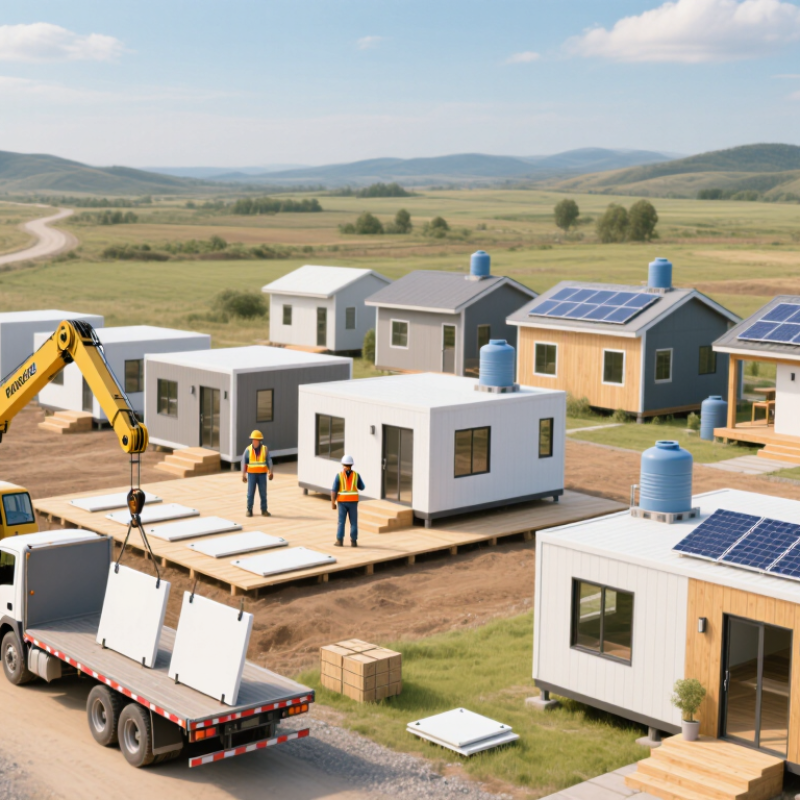
Are China Best Prefab Houses Suitable for Remote Areas?

What Defines a Prefabricated House Made in China?

A prefabricated house made in China is not one fixed building type. The term usually describes a home whose main parts are manufactured off-site, then shipped for assembly. Those parts may be wall panels, roof sections, or complete room-sized modules. Materials vary, including steel frames, timber, insulation, windows, and interior finishes. “Made in China” identifies origin, not a shared construction standard. Specifications matter more than the label.

For a remote site, check the actual wall and roof build-up, connection details, and stated wind, snow, and temperature limits. Ask for material specifications, assembly drawings, and inspection records. Then compare them with the site’s climate, access roads, foundation conditions, and available utilities. A home designed for a mild coastal area may need different insulation or moisture protection in a cold mountain region. Shipping dimensions matter, too; a module that cannot reach the site may require a panelized design. A catalog image can look reassuring, but it cannot show every joint or installation challenge.

Tips: Confirm who provides local engineering review, transport, installation, and after-sales support before ordering. Request written details, not just promises. Small gaps in the plan can become real delays.

Which Challenges Shape Housing Needs in Remote Areas?

Remote housing needs are shaped less by floor plans than by access, climate, and basic services. The World Bank’s 2016 Rural Access Index estimated that roughly one billion rural residents lacked access to an all-season road. It is an older estimate, not a current count, but it highlights a practical risk: a large prefab module may not fit narrow roads, weak bridges, or seasonal tracks. Delivery routes deserve attention before the house design is finalized.

Utilities can be just as decisive. Tracking SDG 7: The Energy Progress Report 2023 found that 675 million people lacked electricity in 2021, while 2.3 billion lacked access to clean cooking. A ready-built home still needs reliable power, safe heating, water, and drainage. Local weather matters, too. The IPCC’s Sixth Assessment Report describes growing climate risks, including heat, floods, and drought. Standard specifications may miss local conditions. That deserves a second look.

Tips: Check road width, bridge limits, and wet-season access with local crews. Confirm power, water, drainage, and heating plans before shipment. Ask for site-specific insulation and roof details; a generic package may not suit the place.

Are China Best Prefab Houses Suitable for Remote Areas? Which Challenges Shape Housing Needs in Remote Areas?

Planning Dimension Typical Remote-Area Challenge Potential Prefabricated-Housing Advantage Important Limitation Practical Planning Check
Road access and delivery Narrow, steep, seasonal, or unpaved roads can restrict the size and weight of loads reaching the site. Factory-made components can reduce the amount of on-site construction and may be delivered in planned loads. Large modules still need a suitable route, transport vehicle, turning space, and—where necessary—lifting equipment. Survey the full route, bridges, road restrictions, turning areas, unloading space, and seasonal access before choosing module dimensions.
Climate and exposure Remote sites may face local combinations of heavy rain, wind, snow, heat, cold, or large temperature swings. Factory production can support consistent assembly of insulation, windows, and weather-resistant layers. Prefab construction is not automatically suitable for every climate; design loads and envelope details must match the actual site. Confirm local building-code requirements for wind, snow, seismic conditions, insulation, moisture control, and fire safety.
Foundations and ground conditions Rock, soft soil, slopes, flooding, or frost-susceptible ground can make foundation work complex. Lightweight or modular designs may offer foundation options suited to some sites. Factory construction does not remove the need for site-specific foundation design or stable, level support. Obtain appropriate ground and drainage assessments; have a qualified local professional specify foundations and anchoring.
Utilities and services Grid electricity, piped water, sewerage, and reliable communications may be unavailable or distant. Service layouts can be planned before delivery, and some systems can be integrated into the building design. Water supply, wastewater treatment, power generation, and fuel storage require separate design, installation, and maintenance. Plan approved water and wastewater systems, energy supply, backup capacity, and access for servicing before construction.
Construction workforce Skilled trades and specialist contractors may be far away or difficult to schedule. More work can be completed in a factory, potentially reducing the amount of labor needed at the remote site. Transport, foundations, assembly, utility connections, inspections, and commissioning still require qualified people. Confirm who will assemble and connect the home, what equipment is needed, and whether local permits require inspections.
Schedule and weather windows Bad weather, seasonal road closures, and short construction seasons can disrupt site work and deliveries. Off-site production can proceed while site preparation is underway, helping separate some work from local weather delays. Delivery and installation can still be delayed by transport conditions, incomplete foundations, or unavailable equipment. Coordinate factory completion, road access, foundation readiness, lifting equipment, and contingency dates.
Repairs and replacement parts Long travel times can make urgent repairs and specialist callouts more difficult. Standardized components may make some repairs easier to plan and document. Custom parts, proprietary systems, or distant technical support can increase downtime and repair costs. Choose maintainable systems, keep manuals and spare parts on site, and identify local repair options before purchase.
Building approval and local standards Remote location does not necessarily exempt a project from planning, building, fire, or sanitation rules. Factory documentation can help provide drawings and product information for review. Approval depends on the project, jurisdiction, site, intended use, and applicable codes—not simply on factory production. Check requirements with the relevant local authority before ordering, including land use, permits, inspections, and utility approvals.
Cost and total ownership Freight, cranes, access improvements, utility extensions, and maintenance can add substantial costs beyond the home itself. Factory production may reduce some on-site labor and construction time when logistics are well planned. A low purchase price alone does not establish affordability; transport and site-specific work can change the overall budget. Compare complete delivered-and-installed costs, including foundations, transport, equipment, permits, utilities, repairs, and expected maintenance.
Occupancy and intended use Homes used year-round, seasonally, or as temporary accommodation have different comfort, safety, and service needs. Layouts and building systems can be selected to suit the intended occupancy and level of service. A design suitable for temporary use may not meet the comfort, durability, or approval requirements for permanent housing. Define occupancy, design life, accessibility, heating and cooling needs, fire safety, and expected maintenance before selecting a design.

Summary: Prefabricated housing can be suitable for remote areas when the design, transport route, foundations, utilities, local approvals, and maintenance plan are matched to the site. Suitability should be assessed for the specific location rather than assumed from the building method alone.

How Do Chinese Prefab Houses Address Remote-Site Conditions?

Remote sites test a prefab house before anyone moves in. A factory can control cutting, welding, and panel assembly, while local crews face fewer wet trades. McKinsey’s 2019 report, Modular construction: From projects to products, estimates modular projects can finish 20–50% faster than conventional builds. That matters when short road seasons or distant suppliers narrow the construction window. But the estimate is not a remote-site guarantee.

Chinese prefab houses can be configured with insulated wall panels, sealed joints, raised floors, and roof overhangs. These details help address cold nights, wind-driven rain, and uneven ground. The Global Status Report for Buildings and Construction 2023 reports that buildings used 34% of global energy demand in 2022. For an off-grid home, insulation and airtight connections can reduce heating needs, though actual performance depends on climate, workmanship, and ventilation.

Transport still sets limits. A module that fits a factory line may not fit a mountain road, a weak bridge, or a tight turning area. Smaller panels can ease delivery, but require more on-site connections. Check access routes, foundation drainage, local repair skills, and spare-part availability before selecting a layout. One weakness deserves attention: factory quality cannot compensate for poor installation. The joints need careful inspection.

Are Chinese Prefab Houses Suitable for Remote Areas?

Insulation is one factor in adapting a prefab home to remote-site temperatures. This chart compares indicative thermal-conductivity ranges for common insulation materials; lower values mean less heat passes through the material.

Remote-site note: Insulation choice alone does not determine a home's performance. Check the complete wall and roof assembly, joints, moisture protection, local climate, transport access, and available installation skills. Ranges shown are indicative; product values vary.

What Factors Determine Their Suitability for a Specific Location?

Are China Best Prefab Houses Suitable for Remote Areas?

A prefabricated house made in China can work in a remote area, but distance alone does not decide suitability. Start with the site. Is the ground level and stable, or does it slope toward a stream? Soil conditions affect foundation design, while heavy snow, strong winds, heat, and salt air affect structural choices and finishes. A unit suited to a dry valley may need changes for a damp coastal ridge. Small details matter.

Getting the house there can be harder than building it. Check road width, bridge limits, turning space, and whether a truck can reach the site during rainy months. Then confirm that local crews can assemble the panels and that replacement parts, tools, and technical support are realistically available. Water, power, heating, and waste systems also need a plan. A remote location may lack reliable connections. Don’t assume a standard package covers everything; specifications and installation needs vary, and that assumption deserves a second look.

Tips: Before ordering, share local weather data, site photos, access measurements, and foundation information with qualified designers and installers. Ask for written details on insulation, roof loads, corrosion protection, and assembly steps. Get a transport plan, too. A sample panel or mock-up can reveal gaps and finish issues before the full shipment arrives. Check local building requirements with the relevant authority. It takes extra time. Better than discovering a mismatch after delivery.

What Costs and Limitations Should Buyers Assess?

A prefab house may appear affordable until it reaches a remote site. The delivered price is only part of the budget. Ask whether transport, unloading, foundations, and on-site assembly are included. Narrow roads may require smaller loads or extra handling. A crane can add a substantial charge, especially when access is difficult. Get a route assessment before signing. It may reveal costs that a standard quote misses.

Site preparation also varies. Rocky ground, slopes, drainage, and soil conditions can change foundation costs. Remote locations may lack reliable power, water, or internet, so buyers should price independent systems and utility connections. These estimates need local review. A low package price is not a complete project budget.

Limitations matter too. Check the unit’s insulation, windows, roof design, and ventilation against local temperatures and wind exposure. A house suited to a mild climate may need upgrades for freezing winters or hot, humid summers. Confirm which repairs local contractors can handle; replacement parts may take weeks to arrive. Ask for clear drawings, material specifications, warranty terms, and a realistic delivery schedule. Delays happen. Even careful planning cannot remove every uncertainty, and remote projects often need a contingency fund for weather, transport, or site changes.

FAQS

What does “prefabricated house” mean?

Its main parts are made off-site and assembled at the building location. These may be wall panels, roof sections, or complete room-sized modules. Materials can include steel, timber, insulation, windows, and interior finishes.

What should I check before choosing a design?

Review wall and roof details, connections, and stated wind, snow, and temperature limits. Compare them with the site’s climate and foundation conditions. A catalog image cannot show every joint.

Can a large prefab module reach a remote site?

Check road width, bridge limits, and seasonal access before finalizing the design. A narrow track may rule out a room-sized module. Panelized sections could be easier to transport.

What site services should be planned?

Confirm power, water, drainage, and safe heating before shipment. Some sites may need independent utility systems. These costs deserve local estimates.

What costs can be missing from the quoted price?

Ask whether transport, unloading, foundations, and assembly are included. A crane or extra handling can raise costs when access is difficult. Get the route assessed before signing.

How do weather and ground conditions affect the house?

Rocky soil, slopes, and poor drainage can change foundation needs. Cold winters may require more insulation, while hot, humid summers need suitable ventilation. Standard specifications may not fit. Worth checking twice.

Which documents and support should I request?

Request material specifications, assembly drawings, inspection records, warranty terms, and a realistic delivery schedule. Confirm who handles local engineering review and installation. Written details are easier to check than promises.

How should I plan for repairs and delays?

Ask which repairs local contractors can manage and how quickly replacement parts can arrive. Parts may take weeks to reach a remote site. Delays happen. Keep a contingency fund for weather, transport, or site changes.

Conclusion

Chinese prefabricated houses are built from factory-produced components that are transported and assembled on site, offering a practical alternative to fully on-site construction. In remote areas, housing projects may face limited road access, harsh weather, shortages of skilled labor, and unreliable access to utilities. Prefabricated designs can help address some of these challenges through faster assembly, adaptable layouts, and components selected for local climate and site conditions. Still, asking whether are prefab houses suitable for remote areas requires looking beyond construction speed.

Suitability depends on transport routes, ground conditions, temperature and wind exposure, access to water and power, and the intended use of the building. Buyers should also compare the full cost of delivery, site preparation, installation, and maintenance—not just the factory price. Oversized components may be difficult or expensive to transport, and customization or repairs can take time when a site is far from suppliers. Careful planning and a location-specific assessment are essential for a reliable result.

Oliver

Oliver

Oliver is a seasoned marketing professional with a wealth of expertise in driving brand awareness and engagement. With a deep understanding of our company's product offerings, he consistently delivers high-quality content that enriches our professional blog. His insights not only shed light on......