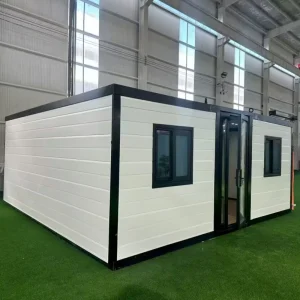
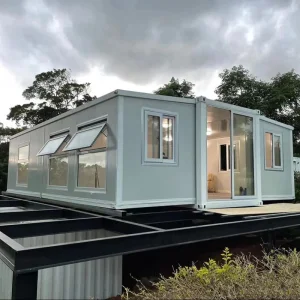
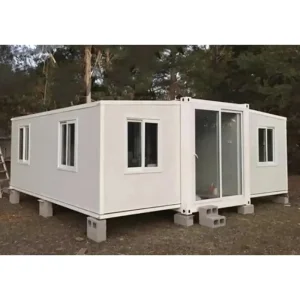
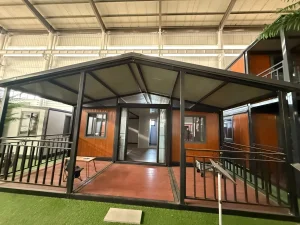
The global construction industry is undergoing a seismic shift. As traditional building methods face challenges such as rising labor costs, material waste, and prolonged project timelines, Steel Frame Modular Homes have emerged as the premier alternative. In 2024, the modular construction market is no longer a niche segment; it is a multi-billion dollar industrial powerhouse driven by the need for efficiency and sustainability.
From the urban centers of North America to the emerging infrastructure hubs in Africa and Southeast Asia, steel-framed modular systems are being utilized for everything from luxury residential villas to high-density workforce housing. The inherent strength of galvanized steel, combined with the precision of off-site manufacturing, allows for buildings that are not only faster to erect but also significantly more durable against extreme weather conditions, seismic activity, and the test of time.
Steel is 100% recyclable. Modular construction reduces on-site waste by up to 90%, meeting modern ESG requirements for global enterprises.
Modular projects can be completed 30% to 50% faster than traditional builds, allowing for quicker ROI and immediate occupancy.
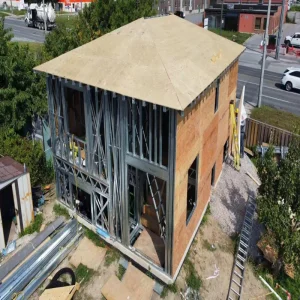
Lightweight steel frames offer superior strength-to-weight ratios, ensuring safety in earthquake-prone and high-wind zones.
The trajectory of the steel frame modular industry is pointing towards Intelligent Integration. We are seeing a massive surge in demand for "Smart Modular Homes" equipped with IoT sensors, energy-efficient HVAC systems, and solar-ready roofing. Procurement officers from international NGOs, mining conglomerates, and real estate developers are increasingly looking for "Plug-and-Play" solutions that minimize local skilled labor requirements.
Localized application scenarios are becoming more diverse. In Northern Europe and Canada, the focus is on high-R-value insulation and thermal break technology within the steel frame. Conversely, in the Middle East and Australia, the priority is heat reflection and advanced cooling ventilation. This regional specialization requires a supplier with deep technical expertise and a flexible manufacturing base.
Established in 2010 in Foshan, the heart of China’s industrial manufacturing zone, Foshan KS Housing Co., Ltd. has evolved from a local light steel structure producer into a dominant global supplier and exporter. Our journey is defined by a commitment to the E-E-A-T principles, ensuring every structure we export meets international building codes and client expectations.
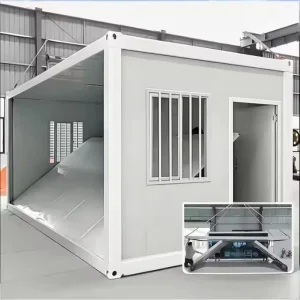
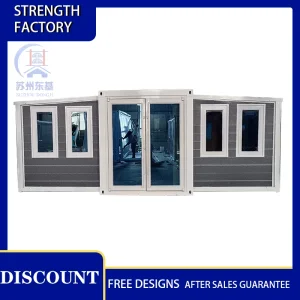
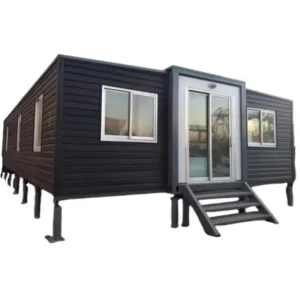
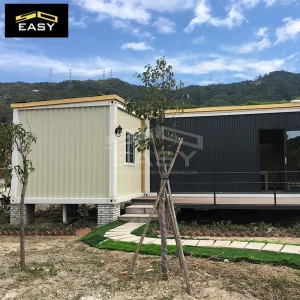
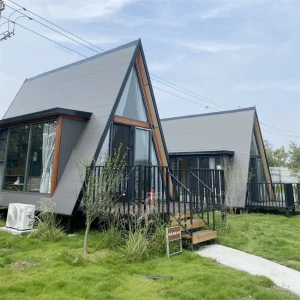
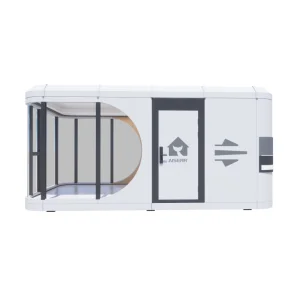
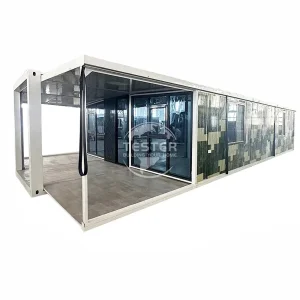
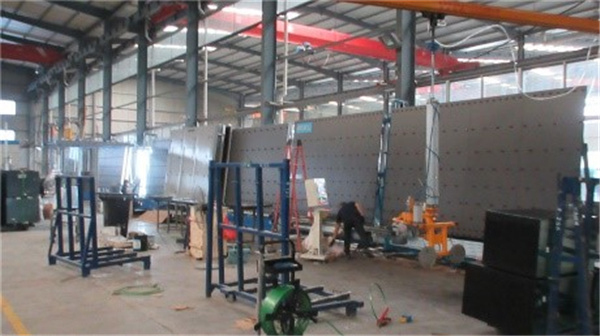
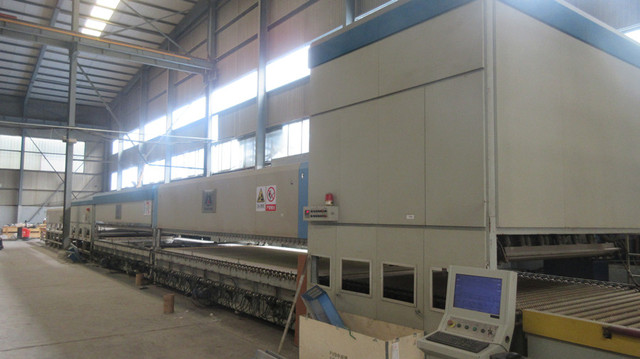
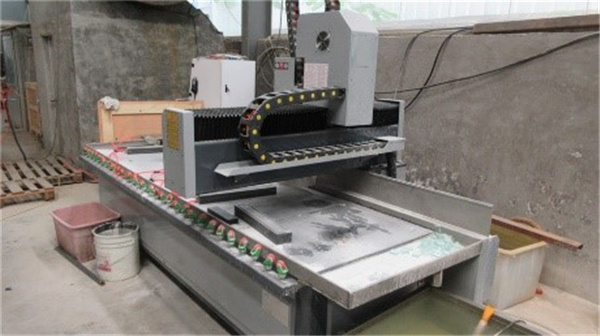
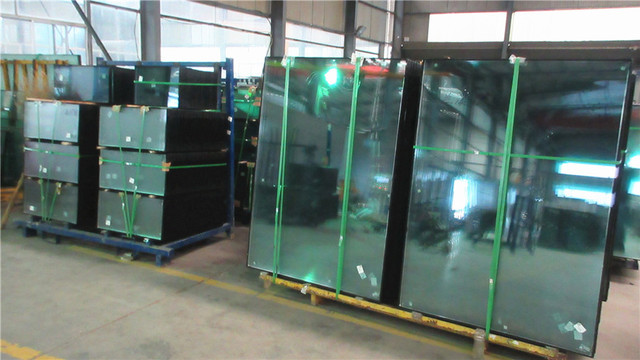
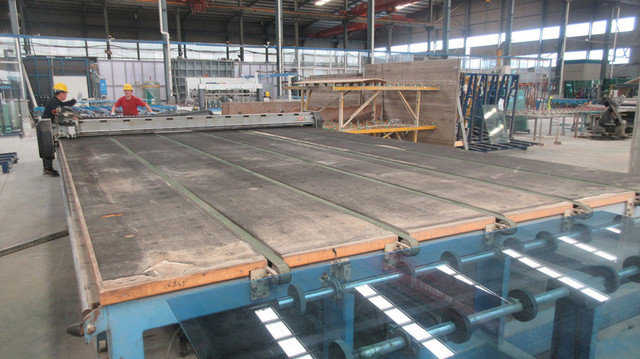
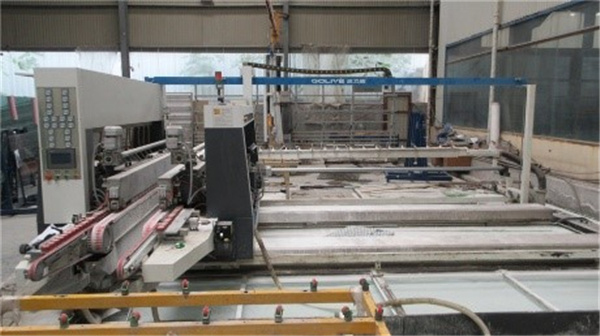
As a specialized Modular Container Building Supplier, we operate state-of-the-art production lines featuring automated welding and precision CNC cutting. This ensures that every galvanized steel frame is engineered to sub-millimeter accuracy, facilitating seamless assembly on-site. Our expertise extends beyond manufacturing; we provide comprehensive temporary and permanent housing solutions, from flat-pack containers for remote workforce camps to elegant modular villas for modern urban living.
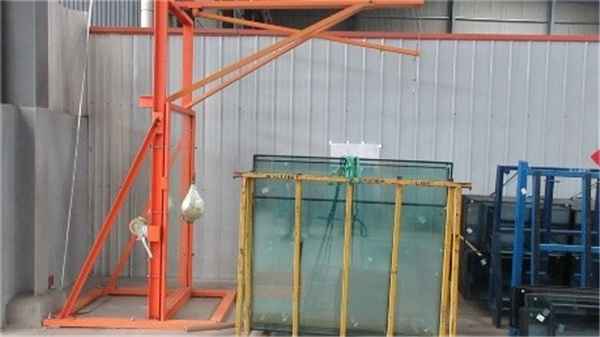
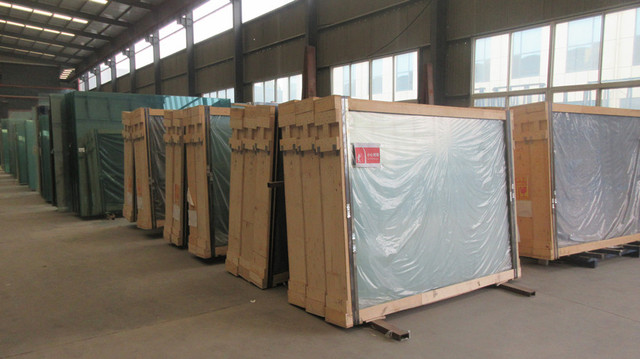
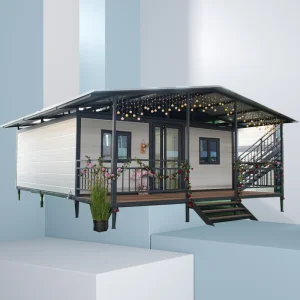
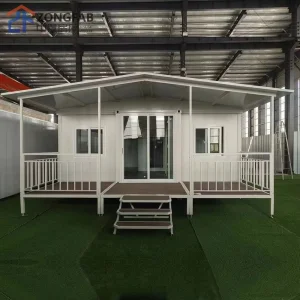
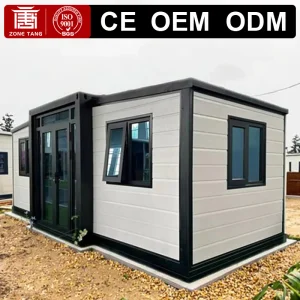
By 2016, we achieved a significant milestone by developing a complete product ecosystem. Today, we serve a diverse clientele across Asia, Africa, the Middle East, and South America. Our core strength lies in our ability to customize layouts, finishes, and configurations. Whether you require a soundproof mobile office for a construction site or a luxury expandable container home for a homestay project, KS Housing delivers with unmatched precision and cost-effectiveness.
Over a decade of manufacturing excellence. We have successfully navigated the complexities of international shipping, customs, and site-specific compliance across four continents.
Our light steel frame systems utilize high-grade galvanized steel, ensuring rust resistance and structural longevity in coastal or high-humidity environments.
Being based in Foshan allows us to leverage the world's most robust building material supply chain, passing the cost savings directly to our global partners.
In the realm of Steel Frame Modular Homes, reliability is non-negotiable. At KS Housing, we understand that our buildings are often the primary shelter for workforces in harsh environments or the foundation of a family's new home. This responsibility drives our rigorous quality control processes, from the initial architectural design to the final loading of export containers.
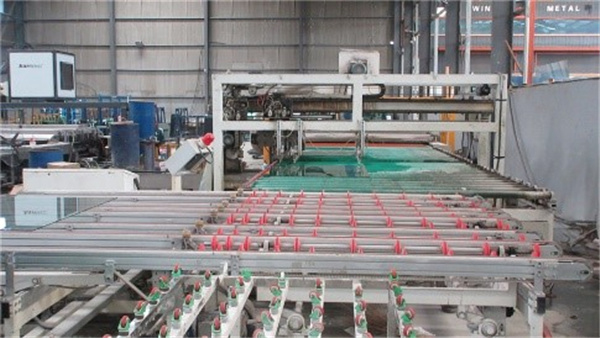
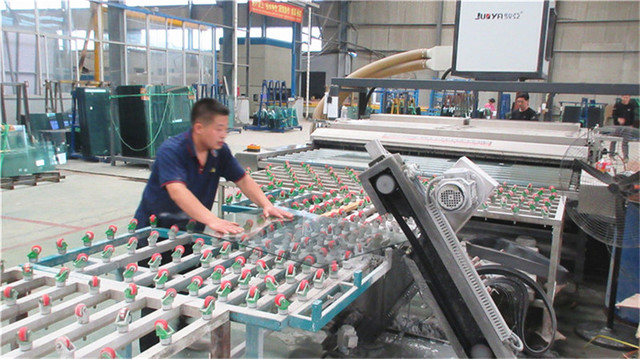
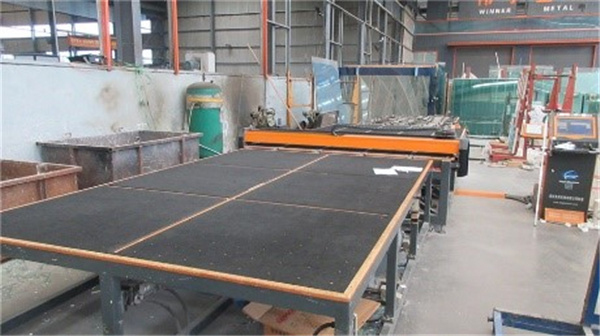
 KS Housing