Are Container Homes Energy Efficient For Sustainable Living?

Time:2026-05-09 Author:Sienna
0%

As sustainability becomes a priority, many seek innovative solutions for eco-friendly living. One popular option is container homes, often hailed for their potential energy efficiency. According to a recent study from the International Energy Agency, container homes can reduce energy consumption by up to 30% compared to traditional homes. This impressive statistic raises the question: are container homes energy efficient?

Experts weigh in on this topic. Dr. Emily Chen, a leading architect and sustainability advocate, states, "Container homes can dramatically lower a building's carbon footprint, but efficient design is essential." Her insight underscores the importance of proper insulation and energy systems, which are critical to maximizing energy efficiency. While container homes offer unique advantages, they also face challenges.

Many container homes lack adequate insulation, which can lead to energy loss. Additionally, the choice of materials directly impacts energy efficiency and cost. As more individuals explore container living, it’s crucial to address these issues. In doing so, we can better assess if container homes truly fulfill their promise of being energy efficient for sustainable living.
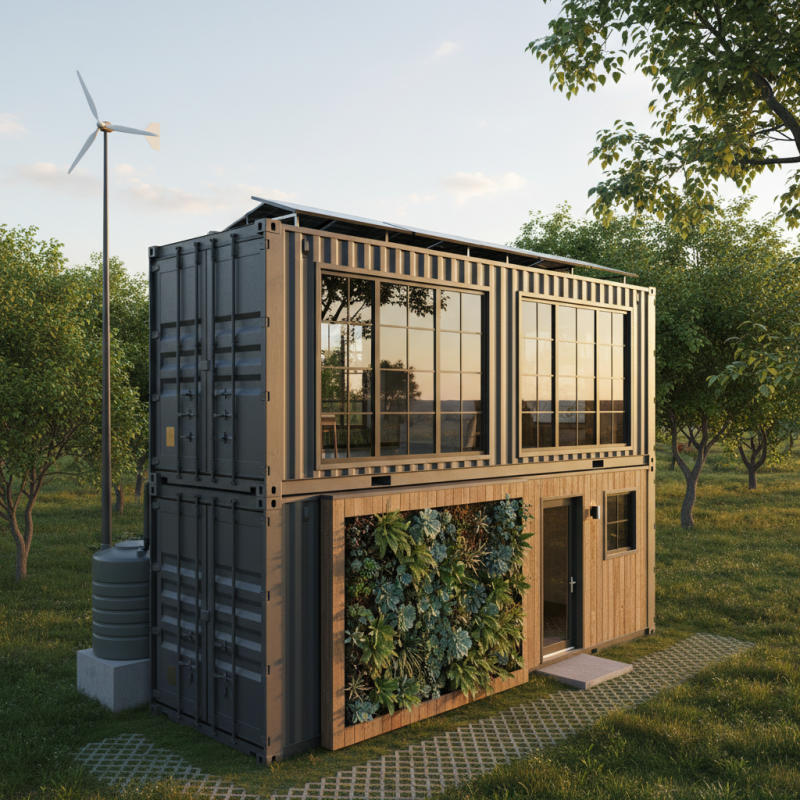
Are Container Homes Energy Efficient For Sustainable Living?

Benefits of Container Homes in Reducing Energy Consumption

Container homes are becoming increasingly popular due to their energy efficiency. These homes often utilize recycled materials, which reduces waste significantly. They offer excellent insulation, making it easier to maintain comfortable indoor temperatures. This feature can lower heating and cooling costs, a win for both the environment and your wallet.

Moreover, container homes can integrate renewable energy sources like solar panels. This addition can drastically reduce reliance on traditional power grids. Many owners report that their energy bills drop after switching to this unconventional dwelling. The minimalistic design often leads to reduced energy consumption over time. However, there can be challenges. Not all areas have the same regulations, which may limit the installation of these homes.

As with any housing option, proper planning is essential. Some may struggle with issues like zoning laws or obtaining permits. Others might find the layout limits their design choices. Still, for those committed to sustainable living, container homes offer a unique solution that balances eco-friendly practices and modern living.

Comparative Analysis of Energy Use: Container Homes vs. Traditional Houses

Container homes offer a unique perspective on energy efficiency when compared to traditional houses. They are often made of recycled materials, like shipping containers. This reuse can reduce the carbon footprint associated with construction. Additionally, their compact size means less space to heat or cool. With effective insulation, container homes can maintain comfortable temperatures, leading to lower energy bills.

However, the energy efficiency of container homes can vary. Their metal walls can heat up quickly under the sun, leading to higher cooling demands. In colder climates, heating can also become a challenge. Traditional homes, with more varied materials, may offer better thermal performance. On the other hand, container homes allow for innovative energy solutions like solar panels. Many are designed with sustainability in mind, but the effectiveness can depend on location and climate.

While container homes present great potential for sustainable living, their energy efficiency is not always straightforward. Factors such as location, insulation quality, and design choices play significant roles. It’s essential for potential owners to consider these aspects. They should weigh the pros and cons seriously before deciding which option truly meets their energy efficiency needs.

Innovative Insulation Techniques for Enhanced Energy Efficiency

Innovative insulation techniques are pivotal for enhancing energy efficiency in container homes. Utilizing high-performance materials like spray foam and rigid insulation can significantly reduce heat loss. Studies show that well-insulated homes can lower energy costs by up to 50%. This is crucial for sustainable living. Rigid insulation boards, while costly upfront, offer long-term savings through reduced energy consumption.


Proper installation is vital. Gaps or poor sealing can negate the benefits of insulation. Choose techniques that ensure a tight seal around windows and doors. This not only prevents air leaks but also improves indoor comfort.


Tips: When selecting insulation, consider R-value, which measures resistance to heat flow. Higher R-values indicate better insulation. Additionally, explore eco-friendly options to sustain your green living goals. Keeping the interior temperature consistent can lead to a more energy-efficient home. Reflect on your choices to optimize both energy savings and eco-friendliness.

Solar Panel Integration in Container Homes for Sustainable Living

Container homes are gaining popularity as eco-friendly living spaces. One of their key features is the integration of solar panels. These panels can convert sunlight into energy, reducing reliance on traditional power sources. Installing solar panels on rooftops can significantly lower electricity bills. It’s an attractive option for those seeking sustainability.

However, relying solely on solar energy can be a challenge. Weather conditions can affect energy production. In areas with limited sunlight, homeowners might need backup energy solutions. Combining solar panels with energy-efficient appliances can help address this issue. Thoughtful planning is essential to maximize energy efficiency.

The aesthetic appeal of solar panels also plays a role. They can complement the modern look of container homes. While some may find them unattractive, innovative designs are changing perceptions. It’s important to weigh the benefits against personal preferences. An open mind can lead to a more sustainable lifestyle through careful choices in home design.

Real-World Case Studies: Energy Efficiency of Container Homes in Use

Container homes have gained popularity for their innovative use of reclaimed materials. However, energy efficiency remains a critical consideration. A study by the U.S. Department of Energy found that container homes can save up to 30% on energy costs when properly insulated. This demonstrates potential for sustainable living, but results vary drastically based on design and location.

Real-world case studies highlight mixed results. In a project in Austin, Texas, one container home showcased energy savings with a solar panel system. Yet, other projects faced excessive heat due to poor ventilation. The average temperature in container homes can rise by 20% in summer months. Adopting passive design strategies is essential to tackle these issues.

Moreover, energy-efficient appliances play a significant role. One report indicated homes using Energy Star rated products can reduce energy consumption by 10-50%. While container homes offer a unique solution for affordable housing, they are not without challenges. Developers must weigh design decisions carefully to enhance energy performance.

FAQS

: What are innovative insulation techniques for container homes?

: They include high-performance materials like spray foam and rigid insulation. These techniques reduce heat loss effectively.

How much can insulation reduce energy costs?

Studies suggest well-insulated homes can lower energy costs by up to 50%. This promotes sustainable living.

Why is proper installation of insulation important?

Gaps or poor sealing can negate insulation benefits. A tight seal around windows and doors enhances comfort.

What is R-value in insulation?

R-value measures resistance to heat flow. Higher R-values indicate better insulation performance.

Can solar panels be integrated into container homes?

Yes, solar panels convert sunlight into energy, reducing reliance on traditional power sources and lowering electricity bills.

Are there challenges with using solar energy?

Yes, weather conditions can affect production. Limited sunlight areas may require backup energy solutions.

How can one improve energy efficiency with solar panels?

Combine solar panels with energy-efficient appliances. Thoughtful planning maximizes overall energy efficiency.

Do solar panels affect the aesthetic of container homes?

They can complement the modern look. Innovative designs can change perceptions about their appearance.

What should I consider when choosing insulation materials?

Reflect on the balance between energy savings and eco-friendliness. Consider different materials carefully.

How can I achieve a consistent interior temperature?

Proper insulation and energy-efficient practices help maintain temperature consistency, enhancing energy efficiency.

Conclusion

The article "Are Container Homes Energy Efficient For Sustainable Living?" explores the various aspects that contribute to the energy efficiency of container homes. It highlights the benefits of container homes in reducing energy consumption, emphasizing their potential to provide a sustainable living option. A comparative analysis reveals that container homes often use less energy than traditional houses, thanks to their compact design and innovative insulation techniques that significantly enhance energy efficiency.

Furthermore, the integration of solar panels into container homes plays a pivotal role in promoting sustainable living by harnessing renewable energy. Real-world case studies are also presented, demonstrating the practical energy efficiency of container homes in use. Overall, the article asserts that container homes are energy efficient, offering a viable solution for those seeking to reduce their carbon footprint while enjoying modern living.

Sienna

Sienna

Sienna is a skilled marketing professional with a deep expertise in our company’s core products and services. With a passion for innovation and detail, she plays a pivotal role in crafting insightful blog posts that not only highlight the unique features of our offerings but also provide valuable......