Why Are Container Homes More Energy Efficient Than Traditional Homes?

Time:2026-08-23 Author:Madeline
0%

Container homes have gained attention for their potential energy efficiency compared to traditional housing. A report from the U.S. Department of Energy highlights that container homes can use up to 50% less energy for heating and cooling. This is particularly striking given the increasing concern over residential energy consumption. The compact design of container homes minimizes the surface area exposed to the elements, which can significantly reduce energy loss.

Industry expert Dr. Emily Johnson, a leading researcher in sustainable architecture, emphasizes, "Container homes present a unique opportunity for energy efficiency." Her insights reflect a growing body of evidence showing how innovative materials and designs contribute to sustainability. These homes often incorporate insulation that surpasses standard building codes, further enhancing their energy efficiency.

However, challenges remain in standardizing these homes. Not all container homes are created equal. Variations in insulation, materials, and design can impact their overall efficiency. Addressing these inconsistencies is crucial for defining how energy-efficient container homes truly are. While many advocate for them, potential homeowners should consider each design carefully before making a decision.
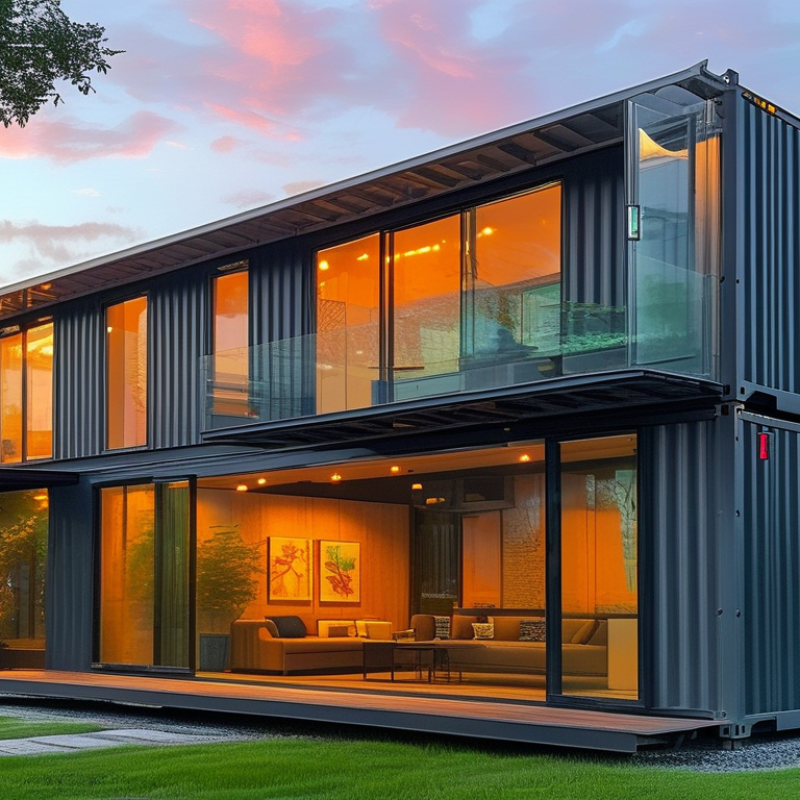
Why Are Container Homes More Energy Efficient Than Traditional Homes?

Container Home Design and Insulation Techniques

Container homes offer unique approaches to design and insulation that enhance their energy efficiency. Their structural integrity is notable, as shipping containers are built to withstand tough conditions at sea. This durability provides a solid foundation for energy-efficient homes. The use of thermal mass is also significant. Steel walls absorb and release heat, helping maintain stable indoor temperatures.

Insulation techniques play a critical role in container home designs. Many builders use spray foam insulation, which fills every crevice and void. This creates an airtight envelope that minimizes heat loss. Some opt for eco-friendly materials like cork or recycled denim, showcasing a commitment to sustainability. Proper ventilation is equally important. It prevents moisture build-up and reduces energy usage for heating and cooling.

However, there are challenges to consider. The metal frame needs careful planning to avoid condensation issues. This can lead to mold if not managed. There is also a need for adequate natural light, often less abundant due to the container's design. Many owners reflect on the balance between aesthetics and functionality. Ultimately, with thoughtful design, container homes can achieve impressive energy efficiency.

Energy Efficiency Comparison: Container Homes vs. Traditional Homes

Container homes are generally more energy efficient than traditional homes, as reflected by their lower energy consumption ratings. This chart illustrates a comparison of energy efficiency ratings between container homes and traditional homes, showcasing the significant difference in energy usage.

Energy Consumption Comparison: Container Homes vs. Traditional Homes

Container homes have emerged as an innovative solution in sustainable living. Their design leads to impressive energy efficiency compared to traditional homes. One key factor is insulation. Many container homes utilize high-quality insulation materials, which help maintain a stable indoor temperature. This reduces the need for heating and cooling systems, directly lowering energy consumption.

Another aspect is the construction process. Container homes usually require fewer materials and shorter build times. This efficiency translates into less energy used during construction. Additionally, the compact size of these homes often means less energy is needed to power everyday appliances. This can lead to a smaller carbon footprint. However, potential owners must consider factors such as local climate conditions and building permits, which can impact energy efficiency.

Moreover, container homes often incorporate renewable energy sources, like solar panels. This enhances their sustainability. Yet, not all container homes will meet efficiency goals without careful planning. A lack of attention during design can lead to energy wastage. Thus, it's crucial to weigh these considerations when contemplating a container home.

Sustainable Materials and Construction in Container Homes

Container homes have gained popularity for their energy efficiency, largely due to their construction materials. These homes often utilize steel and recycled materials, significantly reducing the carbon footprint associated with traditional building methods. A report from the U.S. Green Building Council indicates that using recycled materials can lower energy consumption by up to 30% during construction. This upfront saving has a profound impact on both energy use and cost over time.

The insulation in container homes plays a vital role in their efficiency. Well-insulated containers can maintain stable internal temperatures, minimizing the need for heating or cooling. According to a study by the National Renewable Energy Laboratory, properly insulated container homes can decrease energy needs by approximately 40%. Innovative insulation materials, such as spray foam or eco-friendly options, further enhance their sustainability.

However, challenges exist. Some container homes may face issues related to thermal bridging, where heat escapes through metal components. This indicates a need for improved designs and insulation techniques to maximize energy efficiency. Moreover, the community's awareness of potential toxic materials in older containers is crucial. Ensuring that the materials used are safe strengthens the credibility of container homes as a sustainable housing option.

Impact of Location and Climate on Energy Efficiency

Location and climate significantly affect the energy efficiency of container homes compared to traditional houses. In warmer climates, for instance, container homes often utilize thermal mass to maintain cooler indoor temperatures. This unique design can lessen reliance on air conditioning. According to the U.S. Department of Energy, approximately 50% of residential energy consumption goes to heating and cooling. Just think about the difference a well-placed window can make in reducing energy costs.

Conversely, colder regions pose challenges for energy efficiency. Container homes, with their metal exteriors, can be more prone to heat loss. Insulation is crucial. A report from the National Association of Home Builders states that proper insulation can reduce heating needs by up to 30%. However, many container homes still lack adequate insulation, leading homeowners to rethink design strategies.

Even in ideal climates, factors like orientation and material quality impact overall efficiency. While some containers perform well, others may not meet expectations. There’s room for improvement in energy-efficient designs that adapt to local conditions. As we explore these unique homes, we must reflect on both their advantages and limitations in diverse environments.

Long-term Cost Savings Through Efficient Energy Use

Container homes demonstrate impressive energy efficiency compared to traditional houses. Their design allows for better insulation and reduced energy use. Many container homes are built with sustainable materials, promoting eco-friendly living. This can lead to significant long-term cost savings on energy bills.

Investing in energy-efficient appliances is vital. These appliances consume less power, lowering your bills over time. Consider installing solar panels. They harness renewable energy and can even eliminate electricity costs. Small changes can make a big difference.

Many people overlook the importance of proper ventilation. Good airflow prevents overheating and improves comfort. Utilize natural ventilation methods. This can reduce the need for air conditioning, further saving money. Reflecting on your energy usage habits is crucial. Are there areas where you can improve? Look for ways to enhance your home's energy efficiency.

FAQS

: What are container homes?

: Container homes are built using shipping containers, designed for durability and efficient energy use.

How do shipping containers enhance energy efficiency?

Their steel structure provides solid insulation and helps in maintaining stable indoor temperatures.

What insulation techniques are commonly used?

Many builders use spray foam insulation, while others choose eco-friendly materials like cork or recycled denim.

Why is proper ventilation important?

Proper ventilation prevents moisture build-up and reduces energy usage for heating and cooling.

What challenges do container homes face?

There can be condensation issues and limited natural light, affecting comfort and aesthetics.

How can container homes save on energy costs?

They use better insulation and sustainable materials, which lead to reduced energy bills over time.

What appliances should I consider for energy efficiency?

Invest in energy-efficient appliances that consume less power, contributing to long-term savings.

How can natural ventilation help?

Good airflow prevents overheating, reducing the need for air conditioning and saving on energy costs.

What should I reflect on regarding energy use?

Assess your habits to find areas where you can improve your home's energy efficiency.

Are container homes suitable for eco-friendly living?

Yes, many incorporate sustainable materials and practices, promoting a greener lifestyle.

Conclusion

Container homes are increasingly recognized for their energy efficiency compared to traditional homes. This efficiency largely stems from innovative design and insulation techniques that maximize thermal performance, ensuring that energy consumption is minimized. When assessing energy usage, container homes typically require less energy for heating and cooling, especially when strategically placed in environmentally suitable locations.

Moreover, the sustainable materials often used in container home construction contribute to their lower environmental impact. These homes not only utilize recycled shipping containers but also incorporate energy-efficient systems that further reduce overall energy consumption. Over time, this leads to significant cost savings on utility bills, reinforcing the question of why container homes are energy efficient. The impact of local climate conditions can also enhance their efficiency, making them a viable and sustainable housing option for a variety of environments.

Madeline

Madeline

Madeline is a dedicated marketing professional with a wealth of expertise in our company's core offerings. With a keen understanding of the industry, she brings a unique perspective to her role, consistently delivering high-quality content that highlights the superior aspects of our products. As......