How Long Do Container Homes Last for Sustainable Living?

Time:2026-07-24 Author:Amelia
0%

Container homes have gained popularity as a sustainable living option. Many people wonder how long do container homes last. This question is crucial for those thinking about investing in such structures.

The lifespan of a container home largely depends on various factors. These include the quality of materials, weather exposure, and maintenance. Typically, well-built container homes can last for decades, but not without proper care. Rust, insulation issues, and structural integrity are concerns that demand attention.

Moreover, the unique nature of container living may present challenges. Owners must reflect on the long-term durability of their homes. Are they ready for the upkeep required? Understanding how long do container homes last can significantly influence the decision-making process.
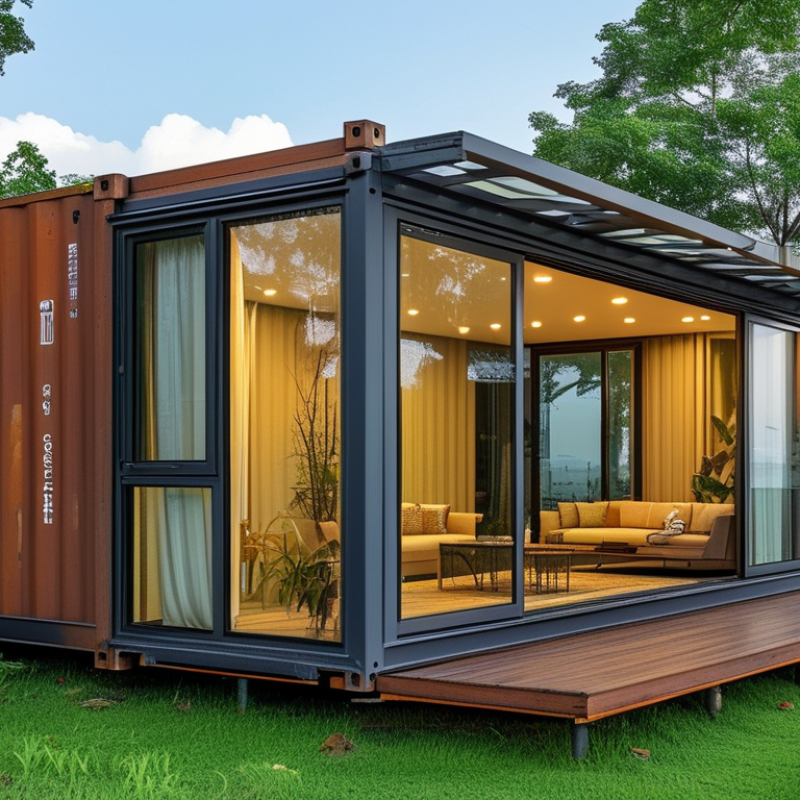
How Long Do Container Homes Last for Sustainable Living?

Container Home Durability Factors: What Affects Longevity?

Container homes are gaining popularity as a sustainable living solution. However, their durability depends on various factors. The average lifespan of a well-maintained container home is around 25 to 30 years. But, some elements can significantly extend or reduce this time frame.

Climate plays a crucial role. In areas with extreme weather, containers may degrade faster. Rust, particularly in coastal regions, poses a common threat. Regular inspections can help identify and address issues early. Furthermore, insulation quality affects both longevity and comfort. High-quality insulation mitigates temperature fluctuations, reducing wear and tear.

Tip: Use quality coatings to protect against corrosion. Investing in durable materials during construction leads to longer-lasting results.

Another factor is foundation choice. A stable foundation prevents water accumulation, minimizing structural damage. Traditional foundations offer solid support, while pier foundations are suitable for sloped lots. Nonetheless, careful planning is necessary to avoid pitfalls.

Tip: Consider local building codes when designing your container home. This ensures compliance and longevity. Attention to these details pays off in the long run.

Average Lifespan of Container Homes Compared to Traditional Homes

Container homes can offer an interesting alternative to traditional housing. On average, they last about 25 to 30 years, while traditional homes can last 50 years or more. Factors such as insulation, climate, and maintenance significantly affect this lifespan. According to a 2021 report from the National Association of Home Builders, quality construction and care can extend a home’s durability.

When comparing the durability of these homes, it is essential to consider materials. Container homes are typically constructed from steel. In harsh environments, this can lead to rust and deterioration if not appropriately treated. Traditional homes often use wood and brick, which may also require upkeep over time. Homeowners must be proactive in regular inspections and maintenance to maximize longevity.

Tip: Regularly check for signs of rust on steel containers.

Tip: Ensure proper insulation to combat temperature fluctuations.

While container homes show promise for sustainable living, their longevity relies on various maintenance strategies. Choosing the right materials and implementing preventive care can significantly enhance the lifespan. Understanding these aspects can lead to better decision-making.

Maintenance Practices to Extend the Life of Container Homes

Container homes can be a sustainable choice, but maintenance is crucial for longevity. Regular inspections can prevent small issues from becoming major repairs. Check for rust, leaks, and insulation integrity. Even minor wear can compromise the home's durability.

Tips: Use a sealant to protect exterior surfaces. This can extend the life of your container. Ensure that drainage systems are clear to prevent water damage. Consider applying rust-resistant paint every few years.

Proper ventilation is essential. It helps keep moisture levels in check and minimizes mold growth. Installing energy-efficient windows can also improve air circulation. Addressing these details can enhance comfort and reduce maintenance costs. Regular upkeep is vital for ensuring that your container home lasts for years.

Durability and Maintenance of Container Homes

This chart illustrates the average lifespan and effective maintenance practices that can extend the life of container homes. The data reflects the importance of regular maintenance in sustainability.

Environmental Conditions Impacting Container Home Lifespan

Container homes have gained popularity for sustainable living, but their lifespan varies significantly based on environmental conditions. Exposure to harsh weather can accelerate wear and tear. For instance, high humidity may lead to rusting of metal components. According to a 2021 report by the Container Home Association, container homes in coastal regions often require more maintenance. Saltwater corrosion is a critical threat, with some homes experiencing a lifespan cut by up to 30% in these areas.

Temperature fluctuations also play a role. In regions with extreme heat or cold, insulation becomes essential. Poor insulation can lead to energy loss, decreasing comfort and sustainability. Studies indicate that properly insulated containers can last over 25 years in moderate climates. Yet, without it, homeowners might find themselves facing costly repairs sooner than expected. A survey conducted by Green Building Council showed that over 40% of container home owners reported insulation issues affecting their living conditions.

Moisture and pests present other challenges. Homes built in damp areas are susceptible to mold and insect infestations. In fact, 15% of container homes without adequate drainage systems reported issues with structural integrity within five years. Homeowners should consider the local environment when choosing a location. Conducting thorough site assessments can help mitigate future problems.

How Long Do Container Homes Last for Sustainable Living? - Environmental Conditions Impacting Container Home Lifespan

Condition Impact on Lifespan (Years) Recommended Maintenance
Coastal (High Humidity) 15-20 Regular rust treatment and ventilation
Desert (Extreme Heat) 20-25 Insulation and UV protection
Mountainous (Snow & Ice) 15-20 Snow load management and sealing
Urban (Pollution) 10-15 Cleaning and anti-corrosion treatment
Temperate (Moderate Climate) 25-30 Routine checks and minor repairs

Sustainable Living Benefits of Long-Lasting Container Homes

Container homes are gaining popularity for sustainable living. These structures can last for decades if maintained properly. According to a report by the Container Housing Association, a well-built container home can have a lifespan of 25 years or more. This durability makes them an attractive option for environmentally conscious individuals seeking sustainable alternatives.

One significant benefit of container homes is their ability to minimize waste. Utilizing shipping containers helps reduce landfill waste, as these materials are recycled for housing. Research shows that reducing new material consumption can save up to 40% of the resources typically needed for traditional homes. Additionally, container homes are often energy-efficient. Proper insulation and renewable energy sources, like solar panels, can decrease utility costs significantly.

However, challenges remain. Moisture control is crucial in container homes, as condensation can lead to rust and mold. Also, not all areas allow container builds due to zoning laws. Homeowners must navigate these issues carefully, weighing the benefits against the potential hurdles of sustainable living in a container home.

FAQS

: What is the average lifespan of container homes compared to traditional homes?

: Container homes typically last about 25 to 30 years, while traditional homes can exceed 50 years.

What factors impact the lifespan of container homes?

Insulation, climate, and maintenance significantly influence the longevity of container homes.

How do materials affect the durability of container homes?

Container homes are made of steel, which can rust without proper treatment. Traditional homes often use wood and brick.

What can homeowners do to maintain their container homes?

Regular inspections for rust and proper insulation are crucial for prolonging the lifespan of a container home.

How do environmental conditions affect container home lifespan?

Harsh weather, humidity, and temperature fluctuations can accelerate wear and tear on container homes.

Why is insulation important for container homes?

Good insulation prevents energy loss and enhances comfort, impacting the home's longevity, especially in extreme climates.

What issues are common in damp areas for container homes?

Container homes in moist environments may experience mold and insect infestations if not properly drained.

How can location choice affect container home durability?

Conducting site assessments helps homeowners choose resilient locations, reducing future problems with the home.

What percentage of container home owners face insulation issues?

Studies show over 40% of container home owners reported issues with insulation affecting their living conditions.

Do container homes require more maintenance in specific areas?

Yes, homes in coastal regions often need more maintenance due to saltwater corrosion affecting their lifespan.

Conclusion

Container homes are increasingly popular for sustainable living, prompting the question: how long do container homes last? Several factors influence their durability, including the materials used, design choices, and construction quality. Typically, container homes can last anywhere from 25 to 50 years or more, depending on the care they receive and their exposure to environmental conditions such as humidity, temperature fluctuations, and corrosion.

To extend the lifespan of container homes, proper maintenance is crucial. This includes regular inspections, waterproofing, and applying protective coatings to prevent rust. Additionally, the sustainable living benefits of long-lasting container homes are significant, as they promote eco-friendly practices through efficient use of materials and energy resources. By understanding these longevity factors, homeowners can enjoy the advantages of a durable and sustainable living space for many years.

Amelia

Amelia

Amelia is a seasoned marketing professional with a wealth of expertise in our company’s core offerings. With an unwavering passion for driving growth and innovation, she plays a pivotal role in shaping our marketing strategies and enhancing brand visibility. A key aspect of her responsibilities......