How Long Do Container Homes Last for Sustainable Living?

Time:2026-04-15 Author:Sophia
0%

Container homes are gaining popularity as a sustainable living solution. Many enthusiasts and prospective homeowners often ask, “how long do container homes last?” Experts suggest that, with proper maintenance, these structures can last between 25 to 30 years. However, this lifespan can vary based on location, climate, and construction quality.

A report from the Container Housing Association highlights that while containers are sturdy, they require careful insulation and weatherproofing. Without these measures, they may not withstand extreme conditions effectively. Additionally, routine inspections can play a vital role in extending their lifespan.

Some drawbacks exist in container home construction. Issues like rust and corrosion can arise if not addressed promptly. Moreover, many builders face challenges with zoning regulations and permitting. Homeowners often overlook these aspects, which could lead to unforeseen expenses. Balancing the initial cost against the potential long-term value is crucial for informed decision-making.
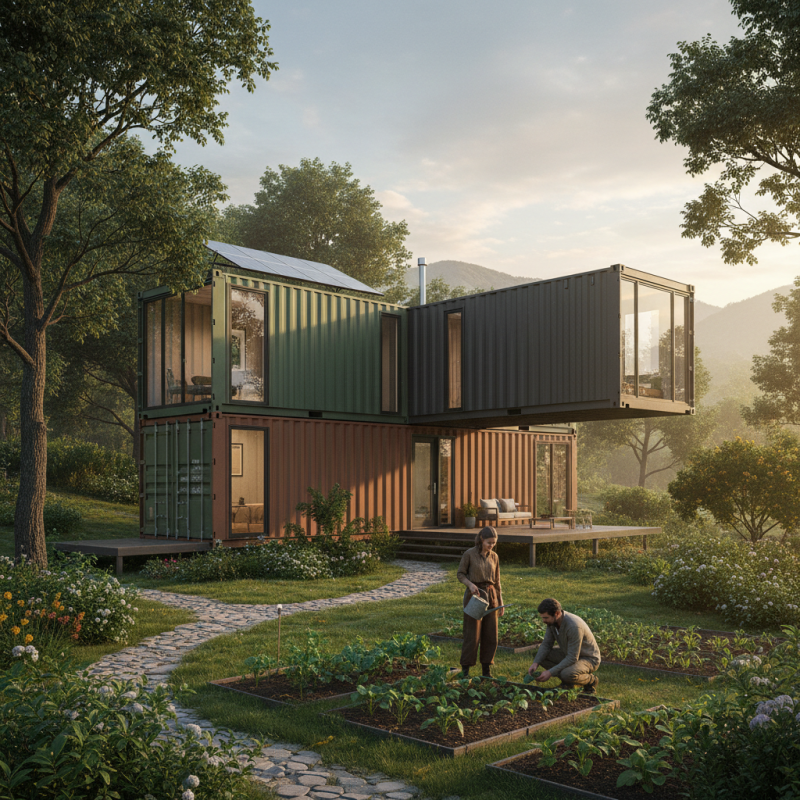
How Long Do Container Homes Last for Sustainable Living?

Factors Affecting the Lifespan of Container Homes for Sustainable Living

Container homes can be a sustainable living solution. However, their lifespan greatly depends on several factors. Environmental conditions play a crucial role. Homes in coastal areas face corrosion from salty air. This can shorten their usability.

Quality of materials matters as well. High-grade insulation protects against temperature changes. It also minimizes wear and tear. The choice of paint can impact durability. Some paints resist UV rays, while others fade quickly.

Maintenance is essential for longevity. Regular inspections can reveal issues early. Neglecting small leaks might lead to big problems. While container homes are sturdy, they require responsibility. Each decision affects their lasting appeal.

Maintenance Practices to Extend the Durability of Container Homes

Container homes offer a unique, sustainable living solution. However, their longevity greatly depends on proper maintenance practices. Regular care is essential. Rust can be a significant issue, especially in humid climates. To combat this, perform regular inspections and apply rust-resistant coatings. Address any signs of corrosion immediately to prevent further damage.

Proper insulation is another critical aspect. Without it, container homes can experience temperature fluctuations, leading to discomfort. Use quality insulation materials to maintain a stable environment. Additionally, check for leaks around windows and doors to prevent moisture issues. This not only protects the structure but also promotes a healthy living space.

Landscaping can also affect the durability of container homes. Ensure proper drainage to avoid water pooling near the foundation. Regularly trim back vegetation to prevent roots from damaging the structure. This proactive approach encourages longevity but requires consistent effort and attention. Container homes can last for years, but ongoing maintenance is key.

Environmental Factors Impacting Container Home Longevity

When considering container home longevity, environmental factors play a crucial role. Weather conditions significantly impact their lifespan. Extreme heat can warp metal, while cold temperatures may cause corrosion. Rain and humidity also pose risks, leading to rust and mold growth. Regular maintenance is essential to address these issues. Proper sealing and insulation can enhance durability against these elements.

Location is another key factor. Coastal areas are particularly challenging due to salt air, which accelerates corrosion. Urban settings can expose homes to pollutants that degrade materials faster. On the contrary, climates with mild conditions may yield longer-lasting structures. It's important to note that container homes require thoughtful placement, taking into account local environmental dynamics.

While containers are robust, imperfections can arise. Poor initial construction or lack of attention to detail during customization may shorten their lifespan. Owners must be vigilant in monitoring wear and tear. Regular inspections are vital for ensuring long-term sustainability. It's necessary to reflect on these challenges when planning a container home journey.

Construction Quality and Materials Used in Container Homes

Container homes have gained popularity for sustainable living, but their longevity largely depends on the construction quality and materials used. Durable materials like high-grade steel are essential for the structure's integrity. Corrosion-resistant coatings can help protect against rust, extending the home’s lifespan. Walls and roofs should include high-quality insulation materials to improve energy efficiency and comfort.

When selecting materials, prioritize sustainability as well. Opt for recycled or eco-friendly options for insulation and finishing touches. Bamboo flooring or recycled glass countertops can enhance aesthetics while remaining environmentally friendly. Be mindful that improper insulation or cheap materials can lead to costly repairs down the line.

Tips: Regular maintenance is crucial. Inspect for rust and leaks every year. Reinforcing joints and seals can prevent structural issues later. Always consult professionals during the design phase to ensure optimal durability and comfort.

Comparative Analysis: Container Homes vs. Traditional Housing Durability

Container homes are gaining popularity for sustainable living, yet their durability during harsh conditions is a key concern. In a comparative analysis with traditional housing, container homes generally last 25 to 30 years, depending on maintenance. In contrast, traditional homes can last 50 years or more. Research indicates that inadequate insulation and rust can significantly shorten the life span of a container home.

Experts suggest that proper weatherproofing and regular maintenance are vital. Use high-quality coatings to protect against corrosion. Rainwater can accumulate, so ensure proper drainage. Make energy-efficient upgrades to enhance durability.

Container homes offer unique advantages, but challenges exist. Some owners report issues with heat retention during winters. Ventilation can also be problematic. Consider these aspects carefully. Learning from others’ experiences can provide valuable insights. Careful planning can help mitigate potential drawbacks. This approach can lead to more sustainable living and longer-lasting homes.

Durability Comparison: Container Homes vs. Traditional Housing

FAQS

: What materials should be used in container home construction?

: Durable materials like high-grade steel are essential for structural integrity. Eco-friendly options are also important for sustainability.

How can rust be prevented in container homes?

Use corrosion-resistant coatings to protect against rust. Regular inspections are necessary for long-term durability.

What is the lifespan of a container home?

Container homes typically last 25 to 30 years, depending on maintenance. Traditional homes can last longer.

Why is insulation important in container homes?

Proper insulation enhances energy efficiency and comfort. Poor insulation can lead to costly repairs later.

What maintenance is required for container homes?

Annual inspections for rust and leaks are crucial. Reinforcing joints and seals can prevent future structural issues.

How do container homes fare in extreme weather?

Their durability during harsh conditions is a concern. Proper weatherproofing is vital to ensure longevity.

Can container homes retain heat in winter?

Some owners report issues with heat retention. Ventilation can also be problematic during colder months.

What are common mistakes when building container homes?

Using cheap materials or ignoring insulation can lead to significant issues. Learning from others’ experiences helps avoid pitfalls.

Should I consult professionals when designing a container home?

Yes, professional guidance is crucial for optimal durability and comfort during the design phase.

What are the environmental benefits of container homes?

Using recycled materials and eco-friendly options reduces the environmental impact while enhancing aesthetics.

Conclusion

Container homes have gained popularity as a sustainable living option, but many people wonder, "how long do container homes last?" The lifespan of these innovative structures is influenced by various factors, including the quality of construction and materials used, maintenance practices, and environmental conditions. Properly maintained container homes can last several decades, while neglect can significantly shorten their lifespan.

To maximize the durability of container homes, regular maintenance and attention to environmental impacts are essential. Factors such as corrosion from moisture, exposure to extreme temperatures, and the choice of protective coatings all play critical roles in determining longevity. A comparative analysis shows that, while container homes can be durable, traditional housing often has a longer lifespan, emphasizing the importance of quality and care in maintaining container homes for sustainable living.

Sophia

Sophia

Sophia is a dedicated marketing professional with an exceptional depth of knowledge about her company's products and services. With a keen understanding of market trends and customer needs, she crafts insightful blog posts that not only inform but also engage readers, enriching the company’s online......