The rise of container houses has sparked interest among many homeowners. These structures offer a unique blend of affordability and sustainability. But the pressing question remains: how much does a container house cost? Prices vary widely based on design choices and location. A basic container home might start around $10,000, but custom features can elevate costs significantly.
As you explore container homes, consider factors like insulation, plumbing, and permits. Each element influences the total expense. It's essential to reflect on your needs versus wants. Many buyers overlook hidden costs, leading to budget overruns. Understanding the financial aspect is crucial for a successful project.
In the end, investing in a container house can be rewarding. Yet, it's vital to do thorough research. Gathering quotes from multiple builders helps in making informed decisions. The container home journey requires patience and careful planning, especially regarding finances.
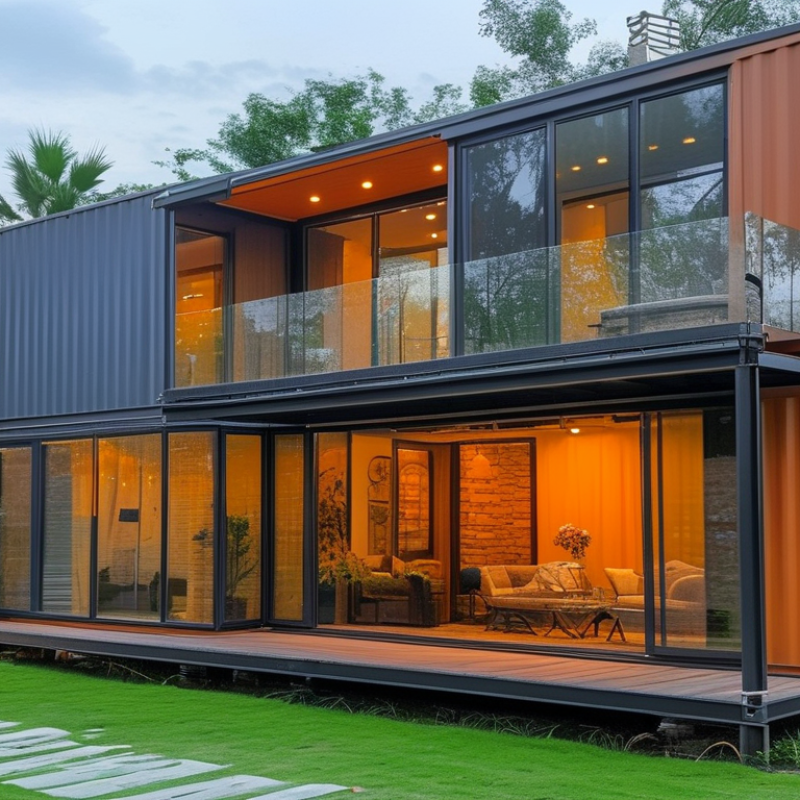
Factors Affecting the Cost of a Container House
When considering the costs associated with container houses, several factors come into play. One major aspect is the location. The price of land varies significantly across regions. In urban areas, land can be expensive. Conversely, rural land is generally more affordable. Examining data from the Container Home Association indicates that land costs can account for up to 30% of the total project budget.
Another critical factor is design complexity. Basic designs are more cost-effective, but customized options can add significantly to expenses. According to industry experts, custom container homes can increase overall costs by 20% to 50%. This includes expenses related to additional insulation, architectural plans, and permits.
Material choices also impact the overall cost. High-quality insulation systems and durable finishes can drive prices higher. The Container Home Association advises potential buyers to plan for material expenses carefully. Unexpected costs can derail budgets. Accounting for these variables is essential for a successful project. By understanding these factors, homeowners can better prepare for the investment.
Cost Breakdown of Container Houses
Types of Container Houses and Their Price Ranges
Container houses have become a popular alternative for many seeking affordable and eco-friendly housing solutions. There are various types of container houses, each catering to different needs and budgets. A basic repurposed shipping container can cost between $2,000 and $5,000. This price range appeals to those wanting a simple structure for a guest house or studio.
For a more customized design, prices can increase significantly. A one-bedroom container home, complete with insulation and plumbing, can range from $10,000 to $30,000. These homes often include modern finishes and energy-efficient features, which can raise the costs. Some buyers opt for larger configurations, such as multi-container homes. Such designs may start at $40,000 and can soar over $100,000, depending on the complexity.
It is essential to consider the added costs involved in site preparation and permits. These expenses can vary by location. Additionally, potential buyers should reflect on the long-term sustainability of their investments. Container homes require regular maintenance and might face structural challenges. With careful planning, container houses can provide a unique, budget-friendly living option that suits diverse lifestyles.
Cost Breakdown: Materials, Labor, and Add-Ons
When considering a container house, it's essential to break down the costs into key components. Materials are a significant factor. The price of the shipping container itself varies, often starting at around $1,500 to $3,000. Insulation and exterior finishes add more. Quality matters here. Opting for better insulation significantly impacts energy efficiency over time.
Labor costs can also vary widely. Skilled labor may cost between $20 to $60 per hour, depending on your location. Complex designs require more expertise and time, increasing labor expenses. This oversimplified view can lead to surprises later. It's crucial to communicate effectively with contractors. Ensure everyone understands your vision.
Add-ons can turn a basic container into a cozy home. Plumbing, electrical installations, and additional windows increase the budget. Landscaping and outdoor spaces also require consideration. It’s easy to overlook these details in planning, but they are essential in creating a livable environment. Reflecting on your choices will lead to better budget management and satisfaction in the long run.
Comparing Container Homes to Traditional Housing Costs
When comparing container homes to traditional housing, the costs can reveal surprising insights. A standard container home might cost around $10,000 to $50,000. This depends on size and design. In contrast, traditional homes often start at $200,000 or more. The difference in expenses is glaring.
However, not everything is perfect with container homes. While initial costs are lower, hidden expenses can add up. Site preparation, insulation, and finishes may bring the total closer to standard housing prices. Accessibility to utilities can be an issue too. It's crucial to factor in these aspects when calculating your budget.
Design flexibility is a strong point for container homes. Homeowners can customize layouts and aesthetics to a great degree. Yet, this flexibility can lead to overspending if you’re not careful. Balancing unique designs with practical costs is essential. In the end, evaluating your priorities will help clarify your decision.
Financing Options for Purchasing a Container House
Financing a container house can seem daunting. However, understanding your options can simplify the process. According to a recent report by the Container Housing Association, most buyers finance their container homes through personal loans or mortgages. Interest rates typically range from 3% to 7%. Your credit score plays a significant role here, influencing your borrowing capacity.
Many buyers underestimate the additional costs. Installation, permits, and utilities can add up quickly. It's crucial to budget for these expenses upfront. A good practice is to save at least 15% of the total cost for unforeseen expenses. This approach minimizes the risk of overspending.
When considering financing options, explore different lenders for the best rates. Online platforms often provide competitive quotes. Always read the fine print. Some loans come with hidden fees that can impact your budget. Staying informed can save you time and money.
How Much Does a Container House Cost for Your Needs? - Financing Options for Purchasing a Container House
| Dimension |
Average Cost ($) |
Financing Options |
Notes |
| 20 ft Container |
$2,000 - $5,000 |
Personal Loan, Mortgage |
Ideal for small homes or studios |
| 40 ft Container |
$4,000 - $8,000 |
Home Equity Loan, Installment Loan |
Suitable for larger spaces and families |
| Modular Container Home |
$30,000 - $60,000 |
Construction Loan, Rent-to-Own |
Fully customized and finished interior |
| Shipping Container Cabin |
$15,000 - $25,000 |
ASAP Loan, Cash Payment |
Great for vacation homes |
FAQS
: Key factors include location, design complexity, and material choices. Land costs can take up to 30% of the budget.
Simple designs are more affordable. Customized options may raise costs by 20% to 50%.
A shipping container can cost between $1,500 and $3,000. Insulation and finishes impact overall pricing.
Skilled labor may range from $20 to $60 per hour. Complex projects require more expertise, increasing costs.
Yes, site preparation, insulation, and utility accessibility can add unexpected expenses to your budget.
Container homes range from $10,000 to $50,000, while traditional homes may start at $200,000 or more.
Yes, there is significant design flexibility. However, custom projects can lead to overspending.
Plumbing, electrical systems, and landscaping can enhance a container home but also increase the budget significantly.
Effective planning helps avoid budget derailments from unexpected costs. Reflecting on choices is key.
Quality matters significantly. Better insulation improves energy efficiency but raises initial costs.
Conclusion
When considering how much does a container house cost, several factors come into play, including location, design complexity, and the type of materials used. Container houses can vary in price, with different types offering a range of options to suit various budgets. Understanding the cost breakdown, which includes materials, labor, and potential add-ons, is essential for planning.
Moreover, comparing container homes to traditional housing costs reveals that they can be a more affordable alternative, particularly for those seeking sustainable living solutions. Financing options are also available, making it easier for interested buyers to invest in container houses, thus ensuring a well-rounded perspective on the financial aspects of this unique housing choice.

 KS Housing