How to Cut Construction Costs with Prefab Housing Solutions?

Time:2026-06-04 Author:Oliver
0%

In the evolving landscape of construction, cutting costs without sacrificing quality is paramount. Experts like Mark Hayes, a seasoned architect and prefab housing advocate, emphasize the importance of efficiency. He states, “Prefab homes can dramatically lower construction expenses while ensuring faster project completion.”

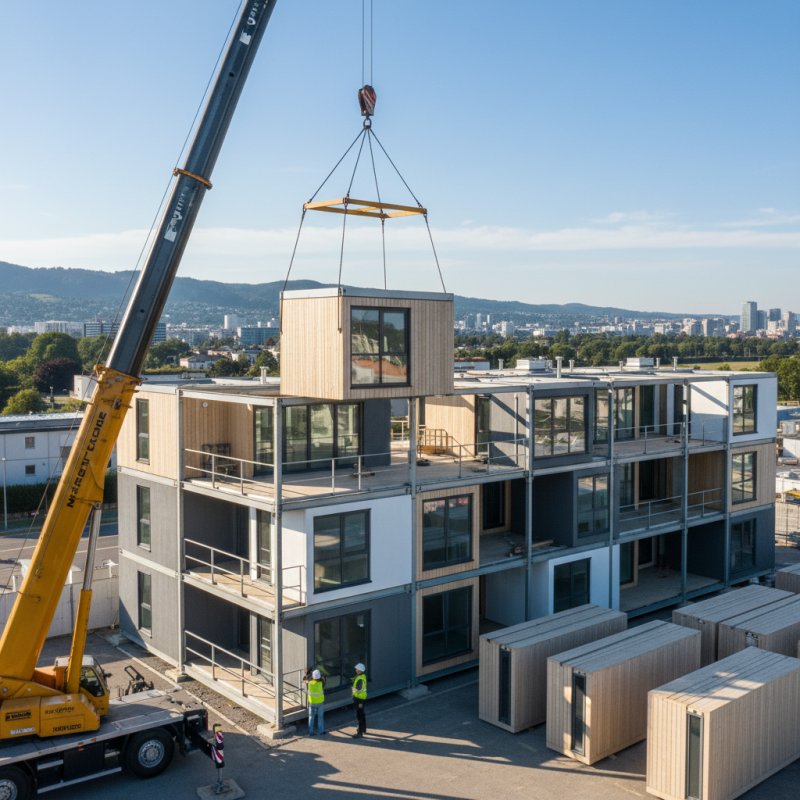
The method of using prefab housing has gained traction in recent years. It focuses on assembling structures off-site, reducing labor time and waste. This innovative approach not only helps to lower costs but also minimizes delays typically associated with traditional building methods.

Despite the benefits, some may question the uniformity and design limitations of prefab solutions. It’s essential to acknowledge that while prefab can effectively reduce expenses, careful planning and design customization are needed for optimal results. Integrating unique features into prefab designs can enhance both aesthetics and functionality. Ultimately, understanding how to reduce construction costs with prefab housing is crucial for modern builders.
How to Cut Construction Costs with Prefab Housing Solutions?

Benefits of Prefab Housing: Cost Efficiency and Time Savings

Prefab housing offers significant cost efficiency, making it an appealing option for budget-conscious builders. These homes are constructed off-site, minimizing labor costs and reducing waste. This approach enables quicker project completion. With prefabrication, less time is spent on site preparation and assembly. This can lead to lower overall expenses in the long run.

Time savings also play a crucial role. Traditional construction can face delays due to weather or labor shortages. In contrast, prefab homes are built in a controlled environment. This stability allows for adherence to timelines. However, the initial design process can sometimes be lengthy and requires careful planning. Design choices must align with the project's budget and needs, which may involve trade-offs.

Choosing prefab housing means balancing speed and cost. While these homes provide great efficiencies, it's essential to remember that customization options might be limited. Buyers often need to compromise on certain design elements. Nevertheless, the combination of cost savings and reduced construction time can make prefab solutions a smart alternative in the housing market.

Types of Prefab Housing Solutions to Consider for Construction Projects

Prefab housing solutions can significantly reduce construction costs. These solutions include modular, panelized, and prefabricated system-built homes. Each type offers unique benefits that can suit various project needs.

Modular buildings are constructed off-site and shipped in sections. According to a report by McKinsey, modular construction can reduce labor costs by 20% and cut project timelines by 30%. This method is particularly effective for large developments. However, challenges arise in transportation and site preparation that project managers must address.

Panelized homes involve using pre-cut panels for walls and roofs. The Home Innovation Research Labs reported that panelized construction typically accelerates building speed by 40%. While this method simplifies assembly, variations in panel manufacturing can affect quality control. Developers must ensure materials meet regulatory standards to avoid costly rework.

Additionally, system-built homes utilize factory-manufactured components. These components can include entire sections of homes that are assembled on-site. This option can reduce waste and enhance efficiency. However, aligning site readiness with delivery schedules poses a logistical challenge. Thoughtful planning is essential to ensure that prefab solutions deliver their promised advantages.

Key Factors to Assess When Choosing Prefab Housing Options

When considering prefab housing solutions, assessing key factors is essential. Cost-effectiveness is often a primary concern for homeowners and builders. According to a report by McKinsey, prefab homes can reduce construction costs by up to 10-20%. This is largely due to streamlined manufacturing processes and reduced labor costs.

Quality and materials are also critical. The construction industry has faced challenges regarding material scarcity and fluctuating prices. Data from the National Association of Home Builders indicates that 70% of builders have reported difficulties sourcing materials. Opting for prefab can mitigate these risks, as manufacturers often have established supply chains that ensure consistent availability and pricing.

Lastly, the design and customization options of prefab homes should not be overlooked. While many assume prefab means limited choices, modern solutions offer a range of styles and layouts. A study from the National Modular Housing Council shows that 55% of buyers are satisfied with their customization options in prefab homes. However, potential buyers should be cautious. Some prefab solutions may compromise on energy efficiency. Always request energy certification to ensure long-term savings on utilities.

Managing Construction Timelines and Budgets with Prefab Strategies

Managing construction timelines and budgets effectively is crucial for any project. Prefab housing solutions offer a unique way to streamline this process. These structures are built off-site and delivered almost entirely assembled. This approach reduces labor time and minimizes weather-related delays. Accurate planning and precision manufacturing help ensure projects stay on schedule.

However, reliance on prefab strategies comes with challenges. Site preparation remains essential. Contractors must coordinate logistics carefully to avoid complications during transport. Miscommunication can lead to delays. Furthermore, while prefab constructions are often scalable, they still require customization to meet specific needs. Developers should anticipate potential adjustments in design and functionality based on site conditions.

Ultimately, using prefab solutions can lead to significant cost savings. Yet, it is important to reflect on experiences and learn from past projects. How the collaboration between teams is managed can heavily impact outcomes. Engaging all stakeholders early on is key. Balancing efficiency with quality is always a focus. Success lies in being adaptable and proactive.

Cost Comparison of Traditional vs Prefab Housing Solutions

This chart illustrates the average cost per square foot of traditional construction compared to prefab housing solutions, demonstrating significant cost savings when opting for prefab options.

Common Challenges in Prefab Housing and How to Overcome Them

Prefab housing offers innovative solutions to cut construction costs. However, several challenges arise that need careful management. One major issue is ensuring quality control during manufacturing. Without strict oversight, materials may not meet standards, leading to costly repairs. Engaging experienced contractors can help identify potential pitfalls before they escalate.

Logistical challenges also pose a risk. Transporting prefabricated components can lead to unexpected delays. Poor planning can inflate costs and extend timelines. Establishing a detailed logistics plan before construction starts can mitigate such risks. It’s crucial to work closely with suppliers to ensure everything arrives on time.

Lastly, many underestimate local regulations. Prefab homes must comply with zoning laws, which can vary widely. This can lead to additional costs if adjustments are needed. Engaging local experts who understand these regulations is essential. Their insights can streamline the permitting process and ensure compliance.

FAQS

: What are prefab housing solutions?

: Prefab housing solutions are pre-manufactured building options that can cut construction costs and time.

How do modular buildings work?

Modular buildings are built off-site in sections and shipped to the construction site for assembly.

What benefits do panelized homes offer?

Panelized homes speed up construction by 40% using pre-cut panels for walls and roofs.

What challenges do prefab homes face?

Prefab homes can have quality control issues due to variations in manufacturing and supply shortages.

How can prefab homes reduce construction costs?

They can lower costs by 10-20% due to efficient manufacturing and reduced labor needs.

What factors should be considered when choosing prefab homes?

Consider cost, quality of materials, and design options when selecting prefab housing solutions.

Are customization options limited in prefab homes?

No, many prefab homes offer various styles and designs, catering to different buyer preferences.

What is a potential concern with some prefab solutions?

Some may lack energy efficiency; buyers should request energy certification for long-term savings.

How important is site preparation for prefab buildings?

Site preparation is crucial; it must align with delivery schedules to avoid logistical issues.

What is a common misconception about prefab homes?

Many believe prefab means fewer choices, but modern options offer significant customization potential.

Conclusion

In exploring how to reduce construction costs with prefab housing, it is essential to recognize the numerous benefits these solutions offer, including both cost efficiency and significant time savings. Prefab housing types, such as modular and panelized systems, can be tailored to various project needs, making them a versatile choice for construction. When selecting prefab options, key factors like site conditions, design flexibility, and material quality must be carefully assessed to ensure successful implementation.

Moreover, effective management of construction timelines and budgets can be achieved through strategically integrating prefab strategies into project planning. However, it is important to consider common challenges in prefab housing, such as transportation logistics and site preparation, and address them proactively to maximize the advantages of this approach. By understanding these elements, builders can significantly enhance project efficiency and minimize overall costs.

Oliver

Oliver

Oliver is a seasoned marketing professional with a wealth of expertise in driving brand awareness and engagement. With a deep understanding of our company's product offerings, he consistently delivers high-quality content that enriches our professional blog. His insights not only shed light on......