In recent years, container housing projects have gained significant popularity. This innovative approach merges sustainability with affordability. Experts like architect Sarah Johnson emphasize the importance of design, stating, "The key to success in how to design a container housing project lies in creativity and practicality."
Designing a container home involves careful planning. Containers offer flexibility, but they also present unique challenges. Understanding the dimensions and structural limitations is crucial. Additionally, ensuring insulation and ventilation in a metal box can be tricky.
Moreover, aesthetics should not be overlooked. Painting and landscaping can transform a container into a beloved home. Each choice reflects individual taste, but it also requires thoughtful consideration. The journey of creating a container housing project is filled with learning opportunities and potential obstacles. Embrace the process and maintain an open mind to adapt as you go.
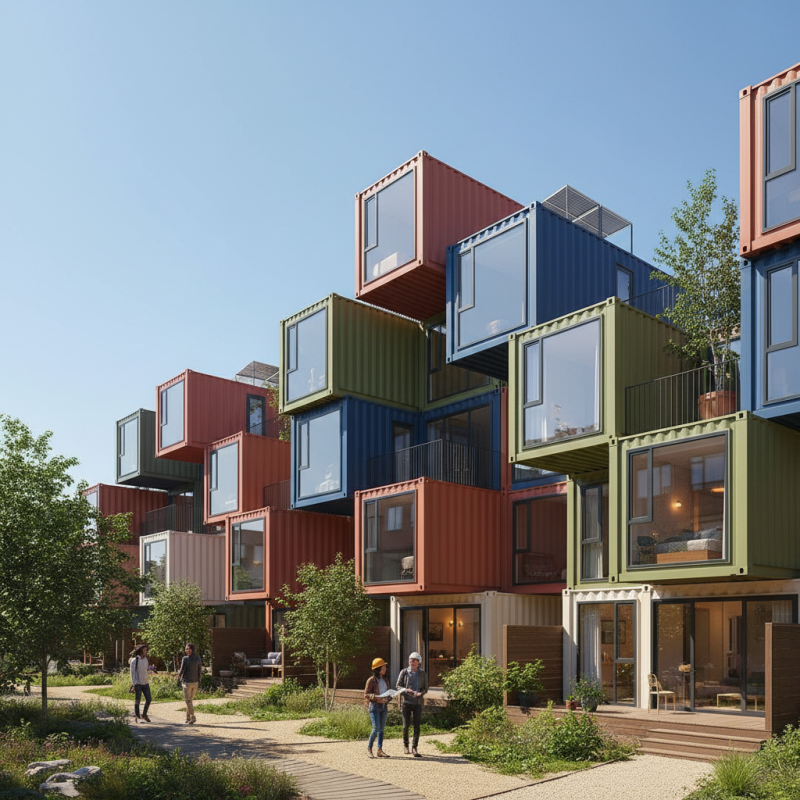
Understanding Container Housing: Advantages and Key Considerations
Container housing is an innovative solution for modern living. It offers unique advantages such as affordability and sustainability. The use of recycled shipping containers reduces environmental impact. However, building a container home requires careful planning.
Consider the layout before you begin. Container dimensions can limit design options. Think about how the space will flow. Natural light is vital. Make sure to include windows and possibly skylights for better illumination. Ventilation is another crucial factor. Containers can trap heat, making them uncomfortable. Use proper insulation to maintain a stable temperature.
Zoning laws can be tricky. It's important to research local regulations before starting your project. Many areas have restrictions on container homes. This may limit your design choices or even halt your project. Be prepared to adapt your plans. Lastly, seek expert opinions when necessary. Consulting architects with container experience can save you setbacks. Their insights can guide your design decisions, making the project smoother.
Container Housing Project: Key Advantages vs. Considerations
Selecting the Right Container Types for Your Housing Project
When embarking on a container housing project, selecting the right container types is crucial. According to a report by the International Organization for Standardization, shipping containers come in various sizes and materials, impacting the overall durability and cost. Standard 20-foot and 40-foot containers are popular, but high-cube options provide extra height for creative designs. Thinner steel components can reduce weight but may compromise strength.
Consider the container's condition. New or “one-trip” containers are more expensive, but they offer better insulation and fewer repairs. A 2021 study by Container Knowledge noted that used containers can be 30% cheaper, but they may require refurbishing, affecting timeline and budget. Taking this into account is vital for project management.
Tip: Balance costs with quality. Look for containers with minimal rust and damage. Don't overlook insulation needs for your climate. This decision impacts energy efficiency later.
Choosing materials is also key. Metal, glass, and wood accents can enhance aesthetics and energy efficiency. A National Renewable Energy Laboratory report highlights that proper insulation can reduce heating and cooling costs by 20%. This is another crucial factor to consider in your design.
Finally, ensure you understand local building codes. Some communities have restrictions on container homes. Knowledge of these regulations can save time and hassle. As you design, keep refining your choices based on your priorities and environmental considerations.
Essential Site Planning and Zoning Regulations for Container Homes
When designing a container housing project, it's crucial to focus on site planning and zoning regulations. These elements determine what is permissible in your area. Each region has specific rules governing land use, building codes, and environmental considerations. To avoid complications, always research local regulations prior to starting your project. Understanding these laws can save time and money.
Consider the site's topography. A level space is ideal but not always available. Slopes may present additional challenges, like drainage issues. It's essential to consult with a professional who understands these elements. A proper evaluation can help you design more effectively. Moreover, be prepared for unexpected setbacks. Sometimes, plans need adjustments based on regulatory findings.
When it comes to the practical aspects, emphasize functionality and sustainability. Use quality materials and design for energy efficiency. Container homes should maximize space while ensuring comfort. Don’t overlook the importance of proper insulation and ventilation. The aim is to create a pleasant living environment. Building a container home can be rewarding but requires careful planning. Regularly revisit and refine your approach to ensure compliance and efficiency.
Designing Functional Layouts and Maximizing Space Efficiency
Designing a container housing project requires careful planning. A functional layout is key to maximizing space efficiency. You can begin by considering open floor plans. This fosters a sense of spaciousness, making small areas feel larger. Modular furniture can also help. Foldable tables and chairs can be tucked away when not in use.
Next, think about vertical space. Use shelving and cabinets that reach the ceiling. This takes advantage of often-overlooked areas. Doing so allows for more storage without consuming floor area. Natural light can transform a container home. Large windows or skylights can create a welcoming ambiance. However, they require thoughtful placement to ensure privacy.
Consider how people will move within the space. You want to avoid clutter and ensure that pathways are clear. Reflect on the balance between functionality and aesthetic appeal. A well-designed container home should feel comfortable yet practical. Regularly reassess your choices. Are certain areas too cramped? Is the flow of the space intuitive? Conceptualizing these details can lead to a better living experience.
10 Essential Tips for Designing a Container Housing Project
| Tip Number |
Tip Description |
Expected Outcome |
| 1 |
Select high-quality containers to ensure durability. |
Reduced maintenance costs and increased longevity. |
| 2 |
Plan an efficient layout to maximize space. |
Enhanced functionality and comfort. |
| 3 |
Incorporate natural light through windows and openings. |
Improved mood and reduced energy costs. |
| 4 |
Use insulation to regulate temperature. |
Increased energy efficiency and comfort. |
| 5 |
Design multi-functional furniture. |
Maximized use of limited space. |
| 6 |
Consider sustainability and eco-friendly materials. |
Reduced carbon footprint. |
| 7 |
Utilize outdoor space for expansion and recreation. |
Enhanced living experience. |
| 8 |
Implement effective ventilation systems. |
Improved air quality and comfort. |
| 9 |
Focus on aesthetics to create an inviting atmosphere. |
Enhanced appeal and satisfaction. |
| 10 |
Plan for future expansion and adaptability. |
Increased long-term value and utility. |
Sustainable Practices and Materials in Container Home Construction
Container homes are a growing trend in sustainable housing. Utilizing shipping containers for living spaces significantly reduces construction waste and utilizes recycled materials. According to a report by the U.S. Environmental Protection Agency, over 290 million tons of construction debris are generated each year. Choosing container homes can help mitigate this issue.
When designing a container housing project, consider energy-efficient materials. Insulation, solar panels, and rainwater harvesting systems can enhance sustainability. For example, using eco-friendly insulation can reduce energy costs by up to 30%. This choice reflects commitment to both environmental responsibility and economic practicality.
Tip: Always assess the site conditions. Not every location is suitable for container homes. Soil stability, local climate, and zoning laws must be checked. Proper planning at this stage can prevent costly adjustments later.
Sustainable materials are essential. Opt for non-toxic paints and finishes. These choices promote better indoor air quality. Studies show that indoor air pollution can be 2-5 times higher than outdoor levels.
Tip: Involve local experts. Their knowledge of regional sustainability practices will enhance your project. Engaging professionals ensures compliance and can improve overall design effectiveness.
FAQS
: Container housing is affordable and sustainable. It uses recycled materials, reducing environmental impact.
Natural light is essential in container homes. Including windows and skylights improves illumination.
Containers can trap heat. Proper ventilation prevents discomfort and maintains a stable temperature.
Research local regulations before starting. Restrictions may limit design choices or halt your project.
Use eco-friendly insulation, solar panels, and rainwater systems. They enhance sustainability and lower energy costs.
Ensure soil stability and check local climate. These factors are critical for successful container home projects.
Opt for non-toxic options. They promote better indoor air quality and reduce indoor pollution.
Local experts provide valuable insights. They ensure compliance with regional practices and enhance design effectiveness.
Conclusion
Designing a container housing project involves multiple critical considerations aimed at maximizing efficiency and sustainability. First, it is essential to understand the advantages of container housing, such as cost-effectiveness and mobility, while also navigating key considerations like insulation and structural integrity. Selecting the right container types is vital, as different sizes and conditions can impact the overall design and functionality of the home.
Moreover, careful site planning and adherence to zoning regulations are necessary to ensure compliance and optimize the living environment. When it comes to layout design, maximizing space efficiency is key—strategically planning for multifunctional areas can significantly enhance livability. Finally, integrating sustainable practices and materials into the construction process not only benefits the environment but also increases the longevity of the housing project. By following these guidelines on how to design a container housing project, you can create a functional and environmentally friendly living space.

 KS Housing