The construction industry is experiencing a significant transformation, especially with prefab construction. As we move toward a more sustainable future, understanding what are the latest trends in prefab construction becomes crucial. With its potential for efficiency and cost-effectiveness, prefab construction is gaining popularity among builders and homeowners alike.
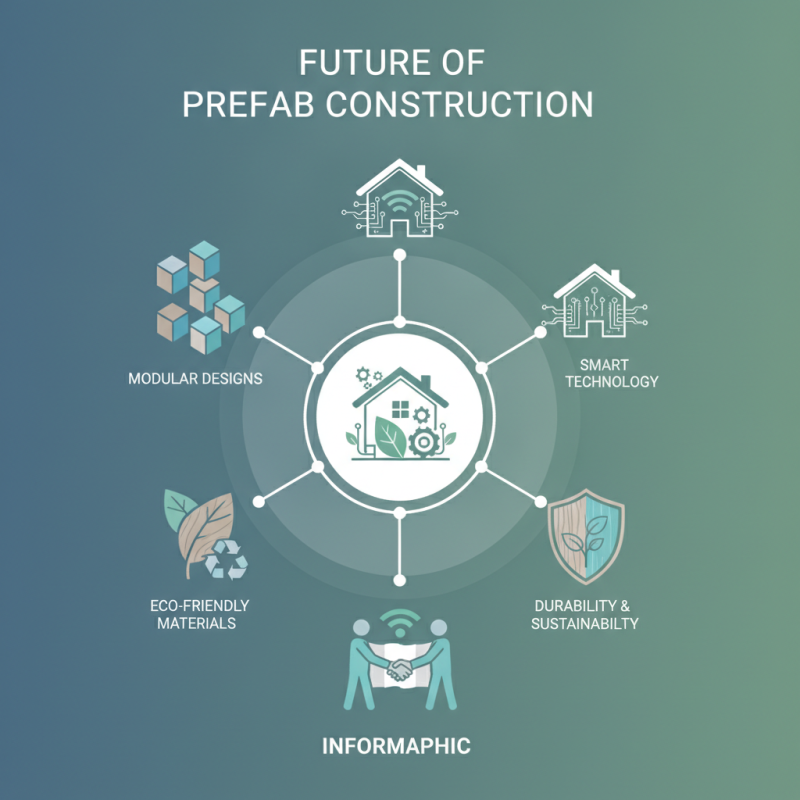
Recent innovations have led to the rise of modular designs. These designs not only cut down on time but also reduce waste. The integration of smart technology into prefab homes is another exciting trend. Imagine a house that adapts to your lifestyle and needs. However, the industry still faces challenges, such as standardization and building codes.
Additionally, companies are exploring eco-friendly materials. Sustainable options are not just a trend; they are a necessity. The prefab industry must now prioritize durability and environmental impact. As these trends evolve, it's essential for stakeholders to reconsider their approaches to prefab construction. The future holds vast potential, but with it comes the responsibility to innovate wisely.
The emergence of sustainable materials in prefab construction is reshaping the industry. This trend is driven by the increasing demand for eco-friendly practices. According to a recent report by the International Energy Agency, buildings contribute nearly 40% of global energy-related carbon emissions. Using sustainable materials can significantly lower that impact.
One significant shift is the rise of recycled and bio-based materials, such as reclaimed wood and bio-plastics. These materials not only reduce waste but also minimize resource extraction. A study by McGraw-Hill found that 42% of contractors are now prioritizing sustainable materials in their projects. This move shows a commitment to environmental responsibility.
Tip: When exploring sustainable options, think about local sources. Using materials from nearby can cut transportation emissions. Another consideration is the lifecycle of materials. Understand how long they will last and how they can be disposed of responsibly. Sustainable choices lead to healthier living spaces and a reduced carbon footprint, but it’s important to evaluate the full impact of these materials.
The chart above illustrates the popularity index of the top 5 latest trends in prefab construction, highlighting the rise of sustainable materials as a key driver in the industry.
The integration of advanced technology in modular building processes is reshaping the landscape of prefab construction. Digital tools like Building Information Modeling (BIM) enhance planning accuracy. This allows for more streamlined project management and reduces errors in the construction phase.
Technology is not just about efficiency. It also fosters creativity. Architects can now visualize designs in real time, exploring countless configurations before settling on a final plan. Virtual reality offers clients immersive experiences, letting them walk through their future spaces. However, reliance on technology can lead to challenges. Staff may resist changes or struggle to adapt to new tools. Continuous training is vital for smooth transitions.
**Tip:** Embrace incremental changes, allowing your team to adjust gradually. This fosters a learning environment.
Sustainable practices are another technology-driven trend. Prefab methods can minimize waste and lower carbon footprints. Advanced materials, like engineered wood, contribute to this movement. Yet, blindly using new materials without proper research can lead to durability issues. Each material has strengths and weaknesses that should be carefully evaluated.
**Tip:** Regularly review material performance to ensure they meet long-term goals. A review process mitigates risks significantly.
| Trend | Description | Advantages | Emerging Technology |
|---|---|---|---|
| Digital Twin Technology | Creating a virtual replica of physical buildings to improve performance and maintenance. | Enhanced monitoring, predictive maintenance, reduced downtime. | IoT Sensors, AI Analytics |
| Sustainable Materials | Utilizing eco-friendly and recyclable materials in prefab structures. | Reduced carbon footprint, improved energy efficiency, compliance with green building standards. | Recycled Steel, Bamboo, etc. |
| Automation in Construction | Employing robotics and automated systems for assembling prefab structures. | Increased efficiency, reduced labor costs, enhanced safety. | Robotic Assembly, 3D Printing |
| Customizable Modular Solutions | Design flexibility allowing for tailored building options according to client needs. | Higher customer satisfaction, efficient design integration. | Modular Design Software |
| Smart Building Integration | Incorporating smart technologies for improved building management. | Enhanced energy management, occupant comfort, optimal resource usage. | Smart HVAC systems, Automated Lighting |
The trend of customizable prefab designs is reshaping modern living spaces. Homebuyers now seek unique features that reflect their individual lifestyles.
According to a recent report by the National Association of Home Builders, 73% of homebuyers want a home tailored to their tastes. This rising demand highlights a shift towards personalization in prefab construction.
Many companies are integrating technology to streamline the customization process.
Tools like 3D modeling allow clients to visualize their designs. This not only enhances customer satisfaction but also boosts efficiency. A study from McKinsey & Company shows that modular construction can reduce project timelines by up to 50%. Despite these advancements, challenges remain. Some clients may find it difficult to translate their vision into feasible designs, leading to potential frustrations.
Furthermore, the need for sustainable materials is becoming paramount. Consumers are increasingly aware of their environmental impact. The latest data indicates that over 60% of buyers prioritize eco-friendly options. However, balancing sustainability with affordability remains a complex issue. The industry's progress is evident, but it requires ongoing reflection and adjustment to meet diverse consumer needs.
The increasing use of prefabrication in affordable housing is reshaping the construction landscape. Recent reports estimate that prefab construction can reduce building costs by up to 20%. This reduction is vital as the housing market becomes more strained, especially in urban areas.
Modular units can be produced quickly and efficiently. Prefabricated components are assembled on-site, minimizing construction time. It is notable that projects can be completed in half the time of traditional methods. However, there are challenges in standardizing designs and ensuring quality control across different manufacturers.
Prefabrication also offers environmental benefits. Many projects utilize sustainable materials and energy-efficient designs, reducing the carbon footprint. A 2021 survey showed that 65% of developers prefer using green materials in prefab projects. Yet, awareness and integration of these sustainable practices remain essential for broader adoption. The future of affordable housing may hinge on overcoming these challenges and effectively integrating prefabrication into mainstream construction.
Prefab construction is transforming the building industry.
Speedy timelines are one of the key benefits. Projects that typically take months can be completed in weeks.
This reduction in time is crucial for urgent housing needs or commercial developments.
Prefab methods streamline the process by moving much of the work off-site.
The design and assembly of prefabricated structures happen in a controlled environment.
This minimizes weather-related delays, a common issue in traditional construction.
With components built in parallel, teams are more efficient, often finishing ahead of schedule.
However, it’s essential to monitor quality throughout. Rapid construction should not compromise safety or craftsmanship.
Considering the benefits of speed, some challenges arise.
Coordination among teams can become complex.
Miscommunication can lead to mistakes. A focus on rapid timelines also requires careful planning and management.
In the rush to construct, it’s vital to maintain quality checks, ensuring each module meets standards.
Balancing speed with safety is critical in prefab projects.
: Sustainable materials include recycled and bio-based options that reduce waste and resource use.
They significantly lower carbon emissions from buildings, which contribute to global energy-related issues.
Using local materials decreases transportation emissions, making the building process more eco-friendly.
Customizable designs reflect individual lifestyles, with homebuyers seeking unique features.
Tools like 3D modeling help clients visualize their designs, enhancing satisfaction and efficiency.
A report shows that 73% of homebuyers want homes that reflect their personal tastes.
Some clients struggle to turn their visions into feasible designs, which can cause frustration.
Over 60% of buyers now prioritize eco-friendly options in their purchasing decisions.
The industry must reflect on how to provide eco-friendly materials affordably for consumers.
Continuous reflection and adjustment are needed to meet diverse consumer needs effectively.
In today's rapidly evolving construction landscape, understanding what are the latest trends in prefab construction is essential for industry professionals and homeowners alike. The emergence of sustainable materials is at the forefront, pushing the boundaries of environmentally friendly building practices. Simultaneously, advanced technology integration is revolutionizing modular building processes, allowing for increased efficiency and precision.
Moreover, the rise of customizable prefab designs caters to the demand for modern living spaces, enabling personal expression and functionality. With the increasing focus on affordable housing solutions, prefabrication is becoming a viable option to address housing shortages effectively. Finally, the benefits of speedy construction timelines associated with prefab projects are attracting more developers, making it a promising avenue for future building endeavors.

KS Housing