Prefab construction is evolving swiftly, revolutionizing the building industry. Understanding what materials are used in prefab construction is crucial for engineers and architects alike. According to Dr. Emily Carter, a leading expert in sustainable architecture, “The materials we select can significantly impact efficiency and sustainability.”
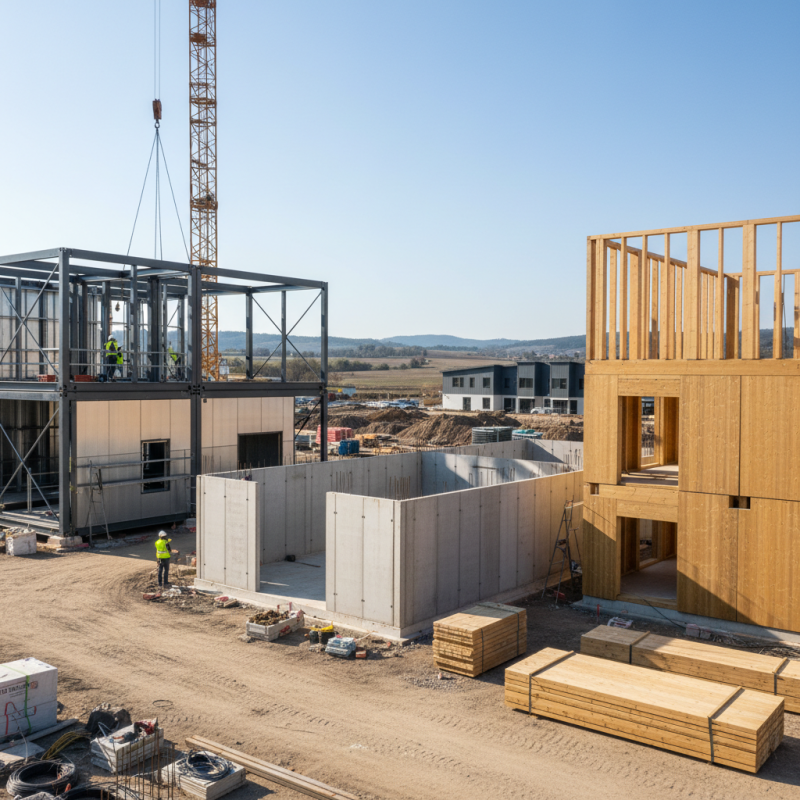
Today, prefab construction utilizes a diverse array of materials. Steel, concrete, and timber are among the most common. Each material brings distinct advantages and challenges. Steel offers strength, but it can be costly and requires careful sourcing. Concrete is durable and energy-efficient but can be heavy and difficult to transport. Timber is often lauded for its sustainability, yet finding high-quality timber poses challenges.
The choice of materials influences not only the construction process but also environmental impact. As concerns over sustainability grow, the industry must continually reflect on material selection. This evolution is not perfect; challenges remain. What materials are used in prefab construction should always involve consideration of long-term effects and ethical sourcing. The future depends on balancing innovation with responsibility.
Overview of Prefab Construction Materials
Prefab construction has surged in popularity due to its efficiency and cost-effectiveness. The materials used in this method have evolved significantly. Today, wood, steel, and concrete dominate the landscape. In fact, a report from McKinsey indicates that prefab construction can reduce project costs by 20% and decrease construction time by 30%.
Wood remains a primary choice for its versatility. It is lightweight and easy to handle. Steel frames are favored for their strength and durability. They can withstand harsh weather conditions. Concrete is also common, known for its longevity and fire-resistant properties. Prefab homes often combine these materials to maximize strength and efficiency.
Tip: When selecting materials, consider your local climate. The right choice can improve durability and reduce maintenance costs. Additionally, innovative composite materials are gaining traction. They offer improved insulation and energy efficiency, which are crucial in modern design.
The industry still faces challenges. Sourcing sustainable materials is vital as green building practices gain traction. Cost and availability of these materials can fluctuate. We must think critically about our material choices and their environmental impact. Prefab construction's future will depend on balancing cost, sustainability, and aesthetics in material selection.
Overview of Prefab Construction Materials
The chart below illustrates the distribution of various materials used in prefab construction today, showcasing their relative usage percentages.
Types of Structural Components in Prefab Buildings
Prefab construction is rapidly evolving, with various materials enhancing efficiency and sustainability. Key structural components often include steel, wood, and concrete. Steel frames provide immense strength and durability, essential for multi-story buildings. According to a recent industry report, steel usage in prefab construction increased by over 20% in the last five years. This shift reflects a growing preference for materials that offer long-term value.
Wood remains another popular choice. Engineered wood products, such as cross-laminated timber, are becoming common due to their lightweight and eco-friendly properties. Interestingly, wood's carbon sequestration benefits align with the industry's focus on reducing carbon footprints. A survey from a construction management firm highlighted that nearly 40% of architects now prefer using sustainable materials like engineered wood in their designs.
Tip: When considering prefab construction, evaluate the environmental impact of your material choices to align with sustainability goals.
Concrete is also a staple in prefab structures. The versatility of precast concrete can accommodate various designs and applications. However, it's essential to note that concrete production has a significant carbon footprint. Many in the industry are exploring innovations to reduce this impact. Understanding the balance of material selection is critical for eco-conscious builders and developers.
Tip: Regularly review updates in material science to make informed decisions that enhance both structure and sustainability.
What Materials Are Used in Prefab Construction Today? - Types of Structural Components in Prefab Buildings
| Material Type |
Common Uses |
Benefits |
| Steel |
Structural frames, roofs, and supports |
High strength-to-weight ratio, durability |
| Wood |
Framing, walls, flooring |
Renewable, good insulation properties |
| Concrete |
Foundations, floors, walls |
Fire-resistant, low maintenance |
| Insulated Panels |
Walls, roofing systems |
Energy efficiency, quick assembly |
| Fiber Cement |
Siding, roofing, trims |
Durable, resistant to pests |
| Aluminum |
Windows, doors, roofing |
Lightweight, corrosion-resistant |
Insulation and Energy Efficiency Materials Used
In prefab construction today, insulation plays a critical role in energy efficiency. Various materials are commonly used to enhance thermal performance and reduce energy consumption. For instance, spray foam insulation is popular for its ability to expand and fill gaps. It creates an effective air barrier and can significantly lower heating costs. However, its installation process can be quite challenging and may require expert handling.
Another widely used material is fiberglass insulation. It is made from fine glass fibers and provides excellent thermal resistance. It's lightweight and easy to install, making it a favorite among builders. Yet, it can still pose health risks if not handled properly. Dust from fiberglass can irritate the skin and respiratory system, highlighting a need for careful safety measures.
Advanced materials, like reflective insulation or radiant barriers, are gaining traction. These materials reflect heat away, keeping buildings cooler in summer. They are often combined with other insulating products for maximum effectiveness. However, not all applications are straightforward. Factors like climate and building design affect their performance. It's essential for builders to understand these dynamics when choosing the right materials for energy efficiency in prefab homes.
Finishing Materials for Prefab Interiors and Exteriors
Prefab construction is revolutionizing the building industry. Finishing materials for interiors and exteriors play a key role in this transformation. Sustainable and efficient options are available to meet modern demands. Common materials include fiber cement siding, wood panels, and stucco. These materials enhance aesthetics while offering durability.
Interiors often feature drywall, laminate flooring, and eco-friendly paint. Each choice impacts the overall feel of the space. Wood accents can create warmth, while metal finishes offer a sleek look. However, leaving some areas unfinished can be a design statement. It prompts deeper reflection on the purpose of each space.
Selecting finishing materials requires careful consideration. Cost-effectiveness is essential, but quality should not be compromised. Materials should also align with environmental standards. In the race for innovation, it is easy to overlook these factors, leading to regret. Balancing style, function, and sustainability remains a challenge in prefab construction today.
Sustainable Materials in Modern Prefab Construction
Prefab construction is rapidly evolving, with a strong focus on sustainable materials. Traditional building materials, like concrete and steel, are being augmented by eco-friendly options. Builders are now using bamboo, reclaimed wood, and recycled metals. These materials reduce environmental impact and promote a healthier living space.
Using sustainable materials can be challenging. Sourcing high-quality, eco-friendly options often requires extra effort. Not all suppliers offer reliable choices. It’s essential to research and ensure the materials meet sustainability standards.
Tip: Always ask for certifications when selecting materials. This helps verify their environmental credentials. Another tip is to consider the lifecycle of the materials. Reusable and recyclable options lessen waste and can save costs long-term. Balancing sustainability and budget can be tough. However, innovative solutions are emerging in modern prefab construction.
FAQS
: Wood, steel, and concrete are the most common materials in prefab construction today.
Prefab construction can reduce project costs by 20% and cut down construction time by 30%.
Wood is lightweight, versatile, and easy to handle, making it a favored option for many builders.
Steel frames are known for their strength and durability, capable of withstanding harsh weather.
Sourcing sustainable materials is crucial as green building practices gain popularity in modern construction.
Finding high-quality, eco-friendly options can be difficult and requires careful research and effort.
Finishing materials impact the overall feel of a space and must balance cost, quality, and environmental standards.
Yes, unfinished spaces can create design statements and encourage reflection about their purpose.
Always ask for certifications to verify the environmental credentials of the materials you choose.
It can be tough, but innovative solutions are emerging to help bridge the gap between sustainability and cost.
Conclusion
Prefab construction has gained traction due to its efficiency and adaptability, largely attributed to the various materials used in the process. When exploring what materials are used in prefab construction today, we find a diverse array of structural components, including steel frames, precast concrete panels, and engineered wood products, which provide strength and durability. Insulation materials, such as spray foam and fiberglass, enhance energy efficiency, reducing the overall carbon footprint of these buildings.
Moreover, the finishing materials selected for both interiors and exteriors play a crucial role in the aesthetic and functional qualities of prefab buildings. Sustainable materials, like recycled steel and eco-friendly insulation, are increasingly prioritized, aligning with modern efforts to promote environmental responsibility in construction. This combination of innovative materials not only enhances the performance of prefab structures but also addresses the growing demand for sustainable building practices.

 KS Housing