Can Prefab Homes Be Used Permanently for Long Term Living?

Time:2026-05-03 Author:Charlotte
0%

As the demand for affordable and sustainable housing rises, many question: can prefab homes be used permanently for long-term living? This inquiry addresses a crucial aspect of modern housing solutions. Prefabricated homes are designed for quick assembly and can be energy efficient. Yet, their long-term viability remains a topic of discussion.

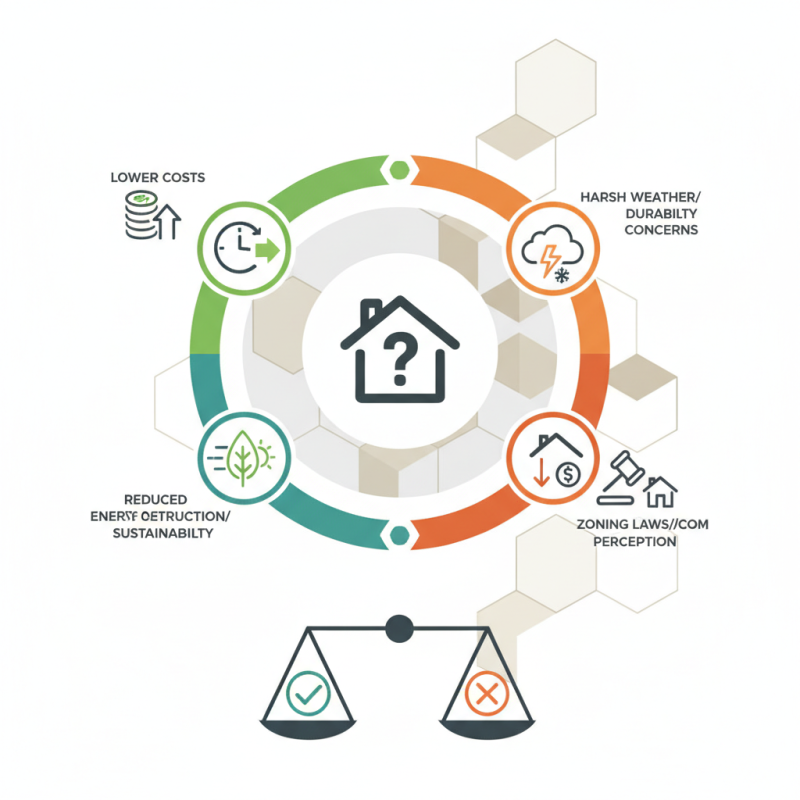
Prefab homes often come with advantages such as lower costs and reduced construction time. However, the durability of these structures raises concerns. Some worry about their ability to withstand harsh weather conditions over extended periods. Others question their resale value. It's essential to examine the construction quality and materials.

The journey of adopting prefab homes for permanent living requires careful consideration. Homeowners need to assess local zoning laws and community perceptions. This exploration reveals both benefits and challenges faced by those choosing prefab living. Ultimately, the question still lingers: can prefab homes be used permanently?
Can Prefab Homes Be Used Permanently for Long Term Living?

Understanding Prefab Homes: Definition and Types

Prefab homes, or prefabricated houses, are structures manufactured off-site and assembled on location. These homes come in various types, including modular, panelized, and manufactured homes. Each type has unique features and designs catering to different preferences and needs. According to the U.S. Census Bureau, the share of new homes built using prefab technology is increasing, comprising around 19% of new single-family constructions in recent years.

Modular homes are built in sections in a factory setting. Once completed, they are transported to the building site for assembly. This method can reduce construction time significantly. In contrast, panelized homes arrive as wall panels, roof trusses, and other components, allowing for quicker on-site construction. Data from the National Association of Home Builders indicates that panelized construction can save up to 25% on labor costs.

Despite the benefits, there are challenges to consider. Local zoning laws may restrict permanent installation. Additionally, some consumers worry about durability compared to traditional homes. A 2022 survey by the Modular Home Builders Association found that 35% of potential buyers remain skeptical about long-term living in prefab homes. These concerns highlight the need for further education and exploration in the realm of prefabricated housing.

Advantages of Prefab Homes for Long-Term Living

Prefab homes offer unique advantages for long-term living. According to the National Association of Home Builders, over 80% of people appreciate their efficiency and affordability. These homes are factory-built, which streamlines the construction process. This means shorter build times and reduced labor costs.

Energy efficiency is another key benefit. Homes constructed using prefab methods typically use sustainable materials. The U.S. Department of Energy reports that prefab homes can save up to 25% on energy costs. These savings make them appealing for long-term residents. With proper insulation and modern design, they maintain a comfortable temperature year-round.

However, challenges remain. The perception of prefabricated structures as temporary solutions might deter some homeowners. In addition, zoning regulations can vary significantly, impacting where these homes can be placed. Despite these issues, the movement toward permanent prefab living is growing, as more people recognize the potential for quality and sustainability in these homes.

Can Prefab Homes Be Used Permanently for Long Term Living? - Advantages of Prefab Homes for Long-Term Living

Advantage Description Estimated Cost Savings (%) Average Time to Set Up (Days)
Cost Efficiency Prefab homes can reduce construction costs due to streamlined processes and less material waste. 20-30% 3-6
Speed of Construction Homes can be built and assembled much faster than traditional homes. N/A 1-4
Sustainability Built with sustainable materials, minimizing ecological impact. N/A N/A
Design Flexibility Several customizable designs available to fit personal styles and needs. N/A N/A
Quality Control Constructed in controlled environments, reducing construction defects. N/A N/A

Challenges and Limitations of Prefab Homes

Prefab homes offer an innovative solution for housing, but they come with their own set of challenges. According to a 2022 report by the National Association of Home Builders (NAHB), the longevity of prefab structures can be a concern. Many of these homes are designed for quick assembly and may not be built to last as long as traditional homes. This shorter lifespan can lead to significant financial implications down the line, particularly for those considering long-term living.

Structural integrity is another critical issue. Some prefab homes may lack the robustness required in certain climates. For instance, homes in areas prone to severe weather might not withstand harsh conditions as effectively as traditionally built houses. This can lead to increased maintenance costs and potentially unsafe living conditions. Homeowners should factor these risks into their decision-making process.

Tips: Before purchasing a prefab home, research local climate factors. It's also wise to examine the materials used in construction. A thorough inspection can reveal potential issues that would not be visible at first glance. Lastly, consider budgeting for future upgrades, as some prefab homes may require additional investments to enhance their durability and comfort over time.

Regulatory Considerations for Permanent Residency in Prefab Homes

When considering prefab homes for long-term living, regulatory aspects become crucial. Many regions have specific building codes and zoning laws that impact these structures. According to a recent report by the National Association of Home Builders, approximately 75% of municipalities have adopted regulations that may restrict the installation of prefab units as permanent residences. These regulations often involve minimum square footage requirements, foundation specifications, and compliance with local safety standards.

Another important factor is the perception of prefab homes. A survey from the Modular Building Institute reveals that only 43% of respondents view them as viable long-term living solutions. This perception can be influenced by community acceptance and local regulations. Homeowners may face challenges if their prefab unit does not meet aesthetic or functional norms set by neighborhood associations. Thus, aligning with these expectations is essential.

Issues regarding financing and insurance add complexity. Lenders often treat prefab homes differently than traditional builds. A report from Freddie Mac indicates that securing a mortgage for a prefab home can be 25% more challenging than for conventional homes. This disparity can hinder long-term residency plans for homeowners who wish to invest in prefab living options. Understanding these regulatory hurdles and community attitudes is vital for a successful transition to permanent residency in prefab homes.

Future Trends in Prefab Homes and Sustainable Living Options

In recent years, prefab homes have emerged as a sustainable living option. According to a 2022 report by the World Bank, the global prefab housing market is projected to grow by 15% annually. This growth reflects a rising demand for affordable and environmentally friendly housing solutions. Prefab homes, constructed off-site and delivered ready-to-assemble, significantly reduce construction waste by up to 20%. This aspect supports a crucial goal: minimizing our carbon footprint.

Recent studies indicate that 60% of new homeowners are considering prefab options due to their efficiency and reduced ecological impact. However, there are challenges. Some may question the durability of these homes. Many prefab designs are built to last, yet concerns about long-term neighborhood compatibility persist. Building codes vary, and local regulations may hinder their adoption. Therefore, potential buyers must do thorough research.

Future trends suggest increased integration of smart technologies in prefab homes. Smart systems enhance energy efficiency, adapting to homeowners’ habits. These innovations can lower energy bills by 30%, a significant saving. However, initial costs for these technologies can be a hurdle. The balance between immediate expenses and long-term benefits remains a critical point for prospective residents. Engaging in community discussions can lead to better-informed decisions about such living arrangements.

Trends in Prefab Homes for Long Term Living

The above chart illustrates key trends influencing the adoption of prefab homes for long-term living. Factors such as affordability and energy efficiency rank high, indicating a preference for sustainable and economical housing solutions.

FAQS

: What are the advantages of prefab homes?

: Prefab homes are efficient and affordable. They can reduce construction time and labor costs.

How do prefab homes save energy?

They typically use sustainable materials. Proper insulation helps maintain comfortable temperatures year-round.

Are prefab homes perceived as temporary solutions?

Yes, some people still view them as short-term options. This could deter new homeowners.

What climate considerations should buyers keep in mind?

Different climates may affect structural integrity. Severe weather can pose risks for some prefab homes.

How long do prefab homes last?

Longevity can be a concern. Many are designed for quick assembly, potentially leading to shorter lifespans.

What should buyers inspect before purchasing?

Examine construction materials and overall build quality. A thorough inspection can reveal hidden issues.

Are prefab homes suitable for all neighborhoods?

Building codes and local regulations may restrict their adoption. Neighborhood compatibility is an important factor to consider.

What are future trends for prefab homes?

Increased integration of smart technologies is expected. These systems can enhance energy efficiency and reduce bills.

What are the initial costs for smart technologies?

Initial costs can be high. Balancing immediate expenses with long-term savings is crucial for buyers.

What if I want to make future upgrades?

Budgeting for upgrades is wise. Some prefab homes may require additional investments for durability and comfort.

Conclusion

The question of "can prefab homes be used permanently for long-term living" has gained traction as the demand for affordable and sustainable housing options increases. Prefab homes, which are manufactured off-site and assembled on location, offer various advantages such as cost-effectiveness, reduced construction time, and high energy efficiency. Their diverse designs cater to different lifestyles, making them appealing for those seeking a long-term residence.

However, challenges exist, including potential zoning restrictions and durability concerns. Regulatory considerations are crucial for ensuring compliance with local housing laws, which can impact the feasibility of permanent residency in these structures. As trends in sustainable living evolve, prefab homes are positioned to play a significant role in addressing housing shortages while promoting environmentally friendly practices, thus suggesting a positive outlook for their use in permanent living arrangements.

Charlotte

Charlotte

Charlotte is a seasoned marketing professional with a deep understanding of the company's portfolio and a passion for elevating its presence in the market. With a keen eye for detail and a commitment to excellence, she ensures that our professional blog is regularly updated with insightful articles......