Can Prefab Homes Be Used Permanently for Global Buyers?

Time:2026-08-08 Author:Henry
0%

Prefab homes have gained popularity worldwide due to their cost-effectiveness and rapid construction. The question arises: can prefab homes be used permanently? This inquiry reflects a growing interest in sustainable and affordable living solutions. With urbanization on the rise, many face housing shortages. Prefab homes could provide an answer, but their long-term viability is debated.

Experts highlight several factors impacting their permanence. Material quality and design versatility are significant. Some argue that prefab homes lack durability compared to traditional builds. Others point to innovations that enhance resilience. Climate considerations also play a role. Can prefab homes adapt to extreme weather? This remains a challenging aspect.

While many buyers appreciate the affordability, concerns linger. What about resale value? Will these homes appreciate? Future buyers might be skeptical. The real test lies in how well these structures stand the test of time. The exploration of whether prefab homes can be used permanently invites deeper reflection on housing solutions in a changing world.
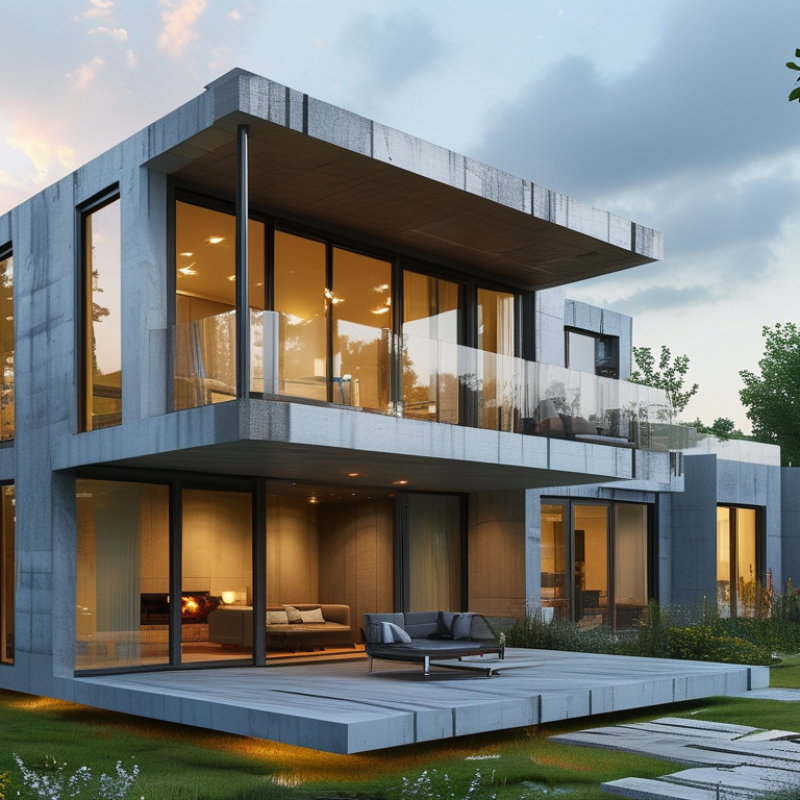
Can Prefab Homes Be Used Permanently for Global Buyers?

Understanding Prefab Homes: A Durable Housing Solution

Prefab homes reveal a compelling solution for today's global housing concerns. These structures are designed for efficiency. They often reduce construction time and waste. Built in a controlled factory environment, they ensure quality and durability. Materials used can often withstand tough climates. This makes them appealing for diverse environments around the world.

However, the perception of prefab homes is mixed. Some view them as temporary solutions. They fear aesthetics and longevity may suffer. Yet, advances in design and engineering have pushed these homes into the realm of permanent living. Many come equipped with modern amenities. Furthermore, customization options are now more accessible than ever.

Despite the benefits, challenges remain. Maintenance may be overlooked because of initial allure. Buyers must understand local regulations and zoning laws. Quality control can vary between manufacturers. Second-hand purchases might also bring hidden issues. These factors deserve careful consideration before committing to a prefab home.

Prefab Homes Durability Comparison

This chart presents the average lifespan of various types of prefab homes. As seen, concrete homes tend to have the longest lifespan, making them a durable choice for permanent housing solutions.

Advantages of Prefab Homes for Global Buyers

Prefab homes offer numerous advantages for global buyers seeking sustainable living solutions. These structures are designed for efficiency. They can be built quickly compared to traditional homes. This speed can be crucial in areas experiencing rapid population growth. Additionally, prefab homes often use eco-friendly materials, reducing their environmental impact. This aspect appeals to many environmentally conscious buyers.

Cost-effectiveness is another significant factor. Prefab homes typically require less labor and material costs. This affordability opens up homeownership to a broader audience. Buyers can choose from various designs and customize their spaces according to personal needs. However, some may find it challenging to visualize their new home before construction. This uncertainty can lead to buyer's remorse.

Flexibility is also a key advantage. Many prefab homes can be expanded or modified in the future. This adaptability makes them a long-term investment. Yet, the resale value may not always match expectations. New owners should reflect on this possibility. Proper research is essential to avoid pitfalls in the decision-making process.

Challenges in Using Prefab Homes Permanently

Prefab homes offer a quick solution to housing needs in various markets. However, they present several challenges for permanent use. One major issue is their long-term durability. While these homes are designed for efficiency, materials can degrade over time. This raises concerns about maintenance and structural integrity.

Another challenge is local regulations. Many regions have strict zoning laws that may not accommodate prefab homes. Buyers often face hurdles in obtaining permits. Additionally, there is the concern of insulation and climate adaptability. In extreme climates, these homes may struggle to maintain comfortable temperatures. This can lead to higher energy costs and decreased livability.

Social perceptions also play a role. Many view prefab homes as temporary solutions or lower quality options. Overcoming this stigma requires advocacy and education. Homebuyers need clear information on the benefits and potential drawbacks. As the market develops, addressing these challenges is essential for making prefab homes a viable permanent solution.

Can Prefab Homes Be Used Permanently for Global Buyers? - Challenges in Using Prefab Homes Permanently

Challenge Description Potential Solutions
Zoning Regulations Many areas have strict zoning laws that may not accommodate prefab homes. Engage with local authorities to seek variances or updates in zoning laws.
Financing Issues Traditional lenders may be reluctant to finance prefab homes due to their unique nature. Explore specialized lenders who understand prefab market or offer construction loans.
Perception and Acceptance Prefab homes may be viewed as temporary or lesser-quality compared to traditional homes. Increase awareness about the benefits and advancements in prefab construction technologies.
Durability Concerns Questions around longevity and resilience of prefab homes against weather extremes. Implement high-quality materials and designs to enhance durability.
Building Codes Compliance Prefab homes must comply with local building codes which can vary significantly. Hire experts familiar with local codes to ensure compliance during design and construction.

Customization Options for Permanent Prefab Housing

Prefab homes have gained significant traction among global buyers, largely due to their flexibility and potential for customization. According to the Modular Building Institute, the prefab market grew by 61% from 2019 to 2021. This rise reflects a strong demand for housing solutions that can be tailored to individual needs. Customization options range from layout designs to finishing materials, allowing buyers to create a living space that reflects their lifestyle.

Sustainability is another critical factor. Many prefab homes can be built with eco-friendly materials, appealing to environmentally conscious consumers. Reports indicate that over 50% of potential buyers prioritize sustainable practices in home building. However, not all options are available universally. Local building codes and regulations can limit what buyers can customize, which may lead to frustration.

In a rapidly changing market, the challenge remains in balancing personalization with practicality. Buyers often face tough choices between innovative features and standard practices. Cost can also be a concern, as more customization may lead to higher prices. Ensuring that these homes meet both aesthetic desires and functional needs is crucial for long-term satisfaction.

Sustainability and Environmental Impact of Prefab Homes

Prefab homes are often lauded for their efficiency and lower environmental impact. These homes are constructed in factories and assembled on-site, significantly reducing construction waste. However, their long-term sustainability needs careful consideration. They often utilize less traditional materials, which can be less environmentally friendly in the long run.

The manufacturing process can also be energy-intensive. While prefab homes minimize waste during construction, the resources used may not always be renewable. This raises questions about their overall sustainability. Homebuyers should focus on energy-efficient designs and materials that offer durability while minimizing ecological footprints.

Another concern is the adaptability of prefab homes. Some designs lack the flexibility for customization, making it hard to fit into diverse environments. This rigidity can lead to homes that are not suited for their locations, impacting their longevity and appeal. Ultimately, while prefab homes offer various benefits, their long-term impact on sustainability remains a complex issue that requires ongoing evaluation.

FAQS

: What customization options are available for prefab homes?

: Buyers can customize layout designs and finishing materials to match their lifestyle needs.

How has the prefab housing market changed recently?

The market grew by 61% from 2019 to 2021, reflecting rising demand for tailored housing solutions.

Are prefab homes environmentally friendly?

Many prefab homes are built with eco-friendly materials, appealing to conscious consumers. However, resource sustainability varies.

What limitations might buyers face with customization?

Local building codes may restrict customization options, which can lead to frustration for buyers.

Does customization affect the cost of prefab homes?

Yes, more customization often leads to higher prices, making budget considerations important.

How do prefab homes impact construction waste?

Prefab homes are built in factories, which significantly reduces construction waste compared to traditional methods.

Are prefab homes always sustainable?

Long-term sustainability is complex; some materials used may not be eco-friendly over time.

Can prefab homes adapt to different environments?

Some designs lack flexibility, which can affect their suitability and longevity in diverse locations.

What should buyers focus on regarding energy efficiency?

Energy-efficient designs and durable materials help minimize ecological footprints while ensuring functionality.

How vital is ongoing evaluation for prefab homes?

Continuous assessment of their environmental impact and adaptability is essential for informed decisions.

Conclusion

The question of "can prefab homes be used permanently" is central to understanding their potential as a durable housing solution for global buyers. Prefab homes offer numerous advantages, including cost-effectiveness, speed of construction, and modern design, making them an attractive option for those seeking long-term housing solutions. However, challenges such as zoning regulations, durability concerns, and the need for proper foundations must be addressed to ensure these homes can withstand the test of time.

Customization options also play a crucial role in adapting prefab homes to meet individual needs and preferences, allowing for a broader appeal. Additionally, their sustainability and lower environmental impact contribute to their viability as permanent housing. With the right considerations and innovations, prefab homes could indeed serve as a permanent solution for a diverse range of buyers worldwide.

Henry

Henry

Henry is a dedicated marketing professional with a profound expertise in the company's offerings. With years of experience in the industry, he possesses an impressive understanding of the market dynamics and consumer behaviors that drive success. Henry is committed to sharing his insights through......