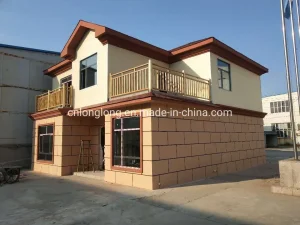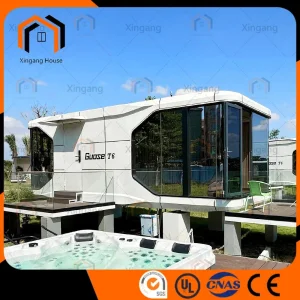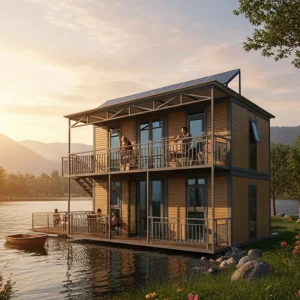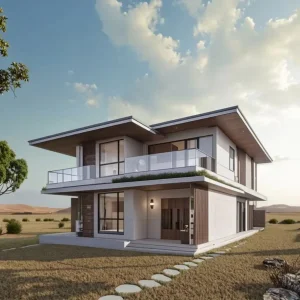
Mozambique is currently experiencing a monumental paradigm shift in its commercial and civil infrastructure landscape. Driven by massive natural resource discoveries—most notably the liquid natural gas (LNG) reserves in the Rovuma Basin off the coast of Cabo Delgado, and the coal fields in the Tete Province—the nation is seeing rapid growth. However, this industrial boom presents a critical challenge: a massive housing and commercial space deficit in remote regions. The urgency to deploy robust, high-performance, and relocatable building systems has catapulted light steel prefabricated houses to the forefront of Mozambique's construction sector.
Traditional brick-and-mortar builds are increasingly impractical for high-pace commercial and mining sectors due to extended timelines, local skills shortages, and high transport logistics overheads for heavy raw materials. Conversely, light steel framing (LSF) technology offers an agile, structurally superior solution. Offering up to 70% faster construction timelines, LSF systems allow local developers and multinational enterprises operating in Maputo, Beira, Nacala, and Pemba to achieve rapid operational readiness without compromising structural lifespan.
Mozambique's geography exposes it directly to the Indian Ocean tropical storm corridor, making structural resilience a fundamental engineering priority. The catastrophic impacts of Cyclones Idai, Kenneth, and Freddy highlighted the vulnerabilities of conventional construction. For a prefab building supplier, designing for Mozambique demands compliance with extreme wind loads.
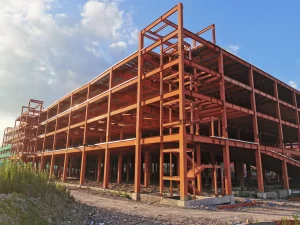
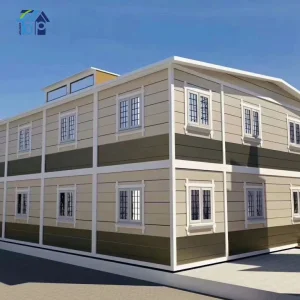
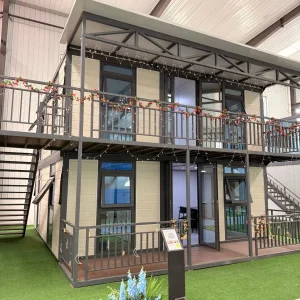
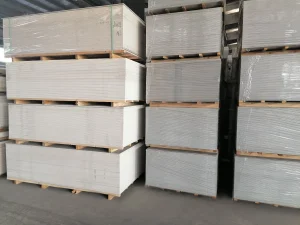
Our engineered light steel prefabricated houses are structured with cold-formed steel framing (G550 tensile strength) featuring advanced zinc coating (minimum Z275/AZ150) to mitigate structural degradation from high atmospheric salinity in coastal zones like Beira and Maputo. By calculating structural load profiles to withstand gust wind speeds of up to 250 km/h (Category 5 equivalent), our systems ensure occupant safety and long-term asset security. Key structural joints use high-tensile bolted connections, and the wall panels integrate fireproof fiber cement sheeting or high-density polyurethane (PU) sandwich panels, achieving high thermal performance in humid tropical environments.
Technical Note: In tropical high-salinity zones, we recommend the application of C4 or C5-M rated structural steel coatings to prevent electrochemical corrosion at structural joint points. This ensures a design life exceeding 50 years under extreme environmental conditions.
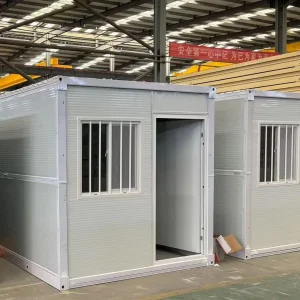
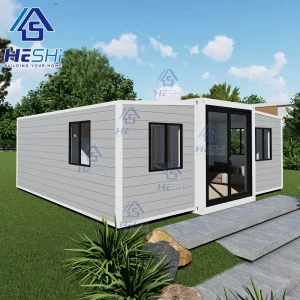
Procuring prefabricated buildings for large-scale operations in Africa requires meticulous supply chain execution. B2B procurement managers must consider transport volumes, freight forwarding tariffs, and customs clearances. As a leading exporter, Foshan KS Housing optimizes packaging density by adopting flat-pack and knocked-down modular systems, minimizing ocean freight costs per square meter.
Whether routing shipments through the Port of Maputo for southern projects, the Port of Beira for central corridor developments, or the Port of Nacala for northern mining installations, we provide complete, containerized documentation including Certificate of Conformity (CoC), packing list, and structural drawings to ensure swift customs clearance. Our logistics division coordinates directly with local transport networks to handle delivery from port to inland destinations, solving the complexities of regional land transport.
Utilizing high-tensile G550 steel members with galvanization weights of Z275/AZ150, engineered to resist seismic activities and gale-force wind velocities typical along the Mozambique Channel.
Substantial cost reductions relative to traditional masonry through optimized flat-pack shipping, fast assembly, and zero structural waste on-site, enhancing overall ROI.
Innovative composite walling solutions containing EPS, Rockwool, or PU insulation cores, delivering low heat transfer coefficients (U-Values) to reduce interior cooling costs.
Foshan KS Housing Co., Ltd. is a professional manufacturer and global supplier specializing in modular construction systems, positioned as a Modular Container Building Supplier | Prefabricated Housing | Temporary & Permanent Solutions provider. The company focuses on delivering flexible, cost-effective, and fast-deployment building solutions for construction sites, commercial projects, workforce accommodation, and residential applications worldwide.
Established in 2010 in Foshan, China, KS Housing began with the production of light steel structures and basic prefab units for domestic infrastructure projects. As international demand for efficient and relocatable buildings grew, the company expanded its capabilities into modular container buildings and integrated housing systems. By 2016, KS Housing had developed a complete product range including flat-pack container houses, detachable prefab buildings, and multi-functional modular units.
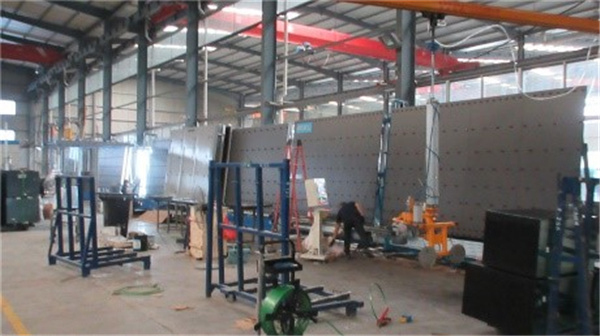
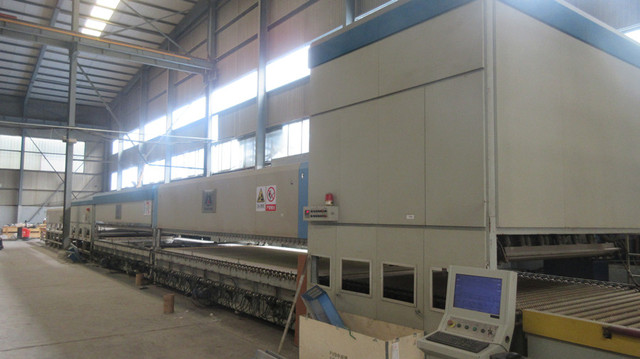
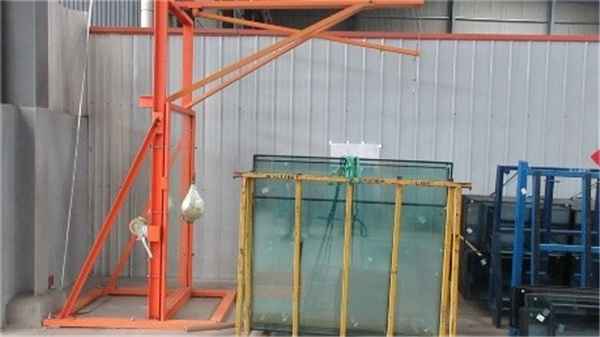
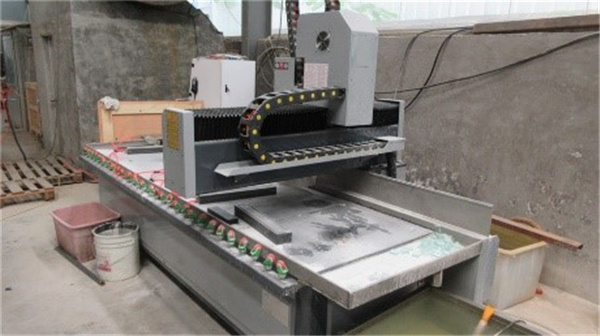
With continuous investment in advanced manufacturing technologies, KS Housing now operates modern production lines equipped with automated welding, precision cutting, and standardized assembly processes. The company emphasizes quality control, structural durability, and design flexibility, enabling clients to customize layouts, finishes, and configurations based on diverse project requirements.
Today, Foshan KS Housing Co., Ltd. serves clients across Asia, Africa, the Middle East, and South America, providing reliable temporary and permanent housing solutions. Committed to innovation and sustainability, the company continues to enhance modular construction efficiency while supporting global demand for smarter, faster, and more adaptable building systems.
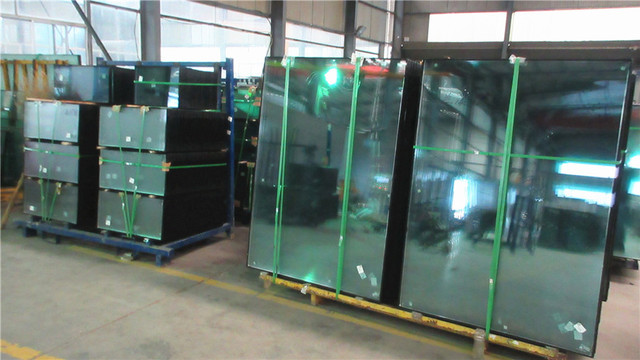
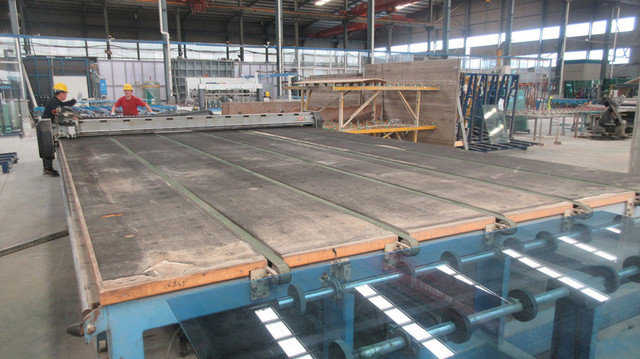
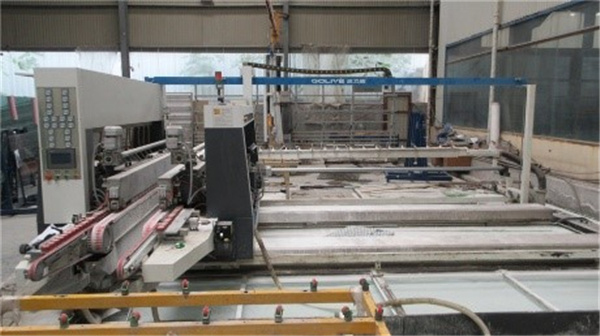
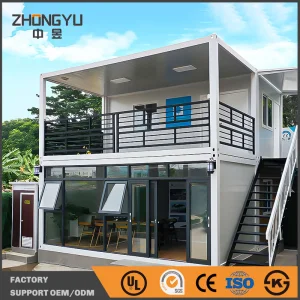
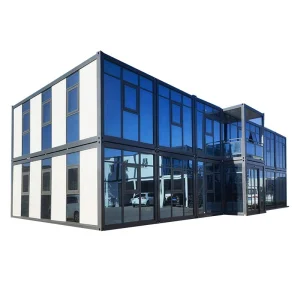
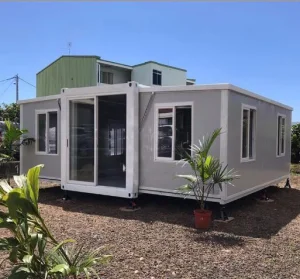
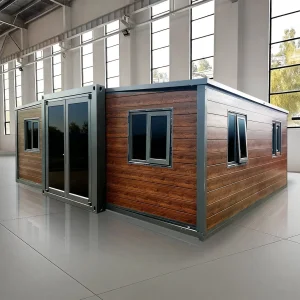
Constructing permanent or temporary housing structures in Mozambique requires rigorous adherence to local regulatory frameworks. The administrative body, Direcção Nacional de Habitação (DNH), alongside municipal councils such as the Conselho Municipal de Maputo, enforce compliance with structural standards derived from the Portuguese building codes (Regulamento de Betão Armado e Pré-Esforçado) and increasingly, the South African National Standards (SANS 10162/SANS 517) for light steel structural components.
Our engineering department conducts detailed Structural Calculation Reports (SCR) for every project, calculating parameters such as structural dead load, live load, snow load (if applicable), and seismic factors (Zone II and Zone III profiles in Mozambique Rift Valley systems). By utilizing advanced structural modeling software, we ensure that our light gauge steel structures possess the exact structural margins required for legal approval in municipal applications across Maputo, Sofala, Nampula, and Cabo Delgado.
As sustainability transitions from an option to a mandate, international operators in the Rovuma Basin LNG project and coal mines in Moatize are seeking zero-impact housing solutions. Light steel prefabricated buildings are intrinsically sustainable. Steel is 100% recyclable, and the structural erection process does not require local water resources, preserving local ecosystems in water-scarce regions.
Looking to the future, KS Housing is incorporating off-grid capacities directly into our prefabricated systems. We offer structural integration for roof-mounted photovoltaic (PV) solar arrays, greywater filtration systems, and passive ventilation ducts. These upgrades enable clients to deploy fully independent, zero-energy living spaces in remote regions without access to municipal grid lines.
Connect with our engineering and logistics specialists today for customized structural calculations, spatial configuration options, and tailored freight quotations to Mozambique ports.
Send Inquiry Now KS Housing