Explore our high-performance modular units engineered for global structural demands, camp accommodations, and commercial sites.
The global construction industry is undergoing a monumental paradigm shift. Conventional brick-and-mortar building practices struggle to remain viable under the pressure of escalating field labor rates, systemic material inflation, and tightening local environmental regulations. Amid these challenges, affordable prefabricated dwellings have transitioned from a marginal alternative to a primary methodology for modern developers, industrial operators, and public sector projects.
In 2024, the demand for prefabricated housing systems is driven by structural changes in global demographics. Urbanization rates in emerging economies require fast, scalable housing, while developed markets struggle with massive housing shortages. By moving up to 90% of the construction process to controlled factory floors, prefabricated building methodologies reduce building timelines by 30% to 50% compared to traditional on-site projects.
Additionally, the integration of advanced thermal insulation, like polyurethane (PU) and rockwool cores, aligns with environmental requirements. These systems minimize thermal bridging and keep structural integrity high while keeping emissions low. This is critical as global commercial builders prioritize eco-friendly certification programs like LEED and BREEAM.
Off-site manufacturing runs parallel to on-site foundation work. Prefabricated components arrive ready to assembly, eliminating typical construction delays due to bad weather.
Factory production environments protect materials from site weather issues and allow precise costing, reducing unexpected expenses during B2B projects.
Material waste drops significantly during standardized factory production. Components are designed with recyclability in mind, meeting modern circular economy goals.
Procuring prefabricated structural assets internationally is a multi-layered process requiring rigorous compliance with regional code frameworks. B2B buyers—ranging from multinational mining conglomerates and engineering corporations to municipal housing authorities—rely on specific engineering parameters to ensure longevity and safety.
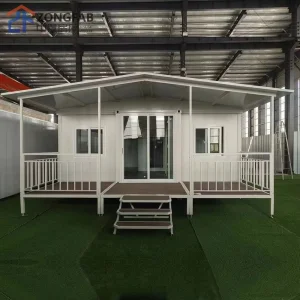
Key parameters include structural load calculations (wind load, snow load, and seismic coefficients). A high-quality container house or light steel villa must comply with standard regional building codes like the International Building Code (IBC), Eurocodes, or Australia's AS/NZS 1170.
| Performance Metric | Typical Market Baseline | KS Housing Standard Grade | Target Local Application |
|---|---|---|---|
| Wind Load Capacity | Up to 90 km/h | 120 - 150 km/h (Class 10-11 Typhoon Resistant) | Coastal Deployments & Remote Sites |
| Seismic Resistance | Magnitude 6 rating | Magnitude 8 (Seismic Zone 8 Compliant) | Active Fault Zones & Temporary Camp Safety |
| Thermal Transmittance (U-Value) | 0.45 W/(m²K) | 0.24 - 0.32 W/(m²K) (High-density PU/Rockwool) | Sub-zero mining sites & high-heat desert installations |
| Frame Coating Durability | Single coat paint (Corrodes in 3-5 yrs) | Hot-Dip Galvanized + Dual Layer Powder Coat (20+ yrs) | Marine environments & humid tropical zones |
Transport logistics represent another crucial variable. Flat-pack modular systems are optimized for ocean shipping, packing multiple units into standard shipping container spaces. Flat-packed units can reduce freight costs by up to 75% compared to volumetric structures, which require specialized heavy shipping.
Foshan KS Housing Co., Ltd. is a professional manufacturer and global supplier specializing in modular construction systems, positioned as a Modular Container Building Supplier | Prefabricated Housing | Temporary & Permanent Solutions provider. The company focuses on delivering flexible, cost-effective, and fast-deployment building solutions for construction sites, commercial projects, workforce accommodation, and residential applications worldwide.
Established in 2010 in Foshan, China, KS Housing began with the production of light steel structures and basic prefab units for domestic infrastructure projects. As international demand for efficient and relocatable buildings grew, the company expanded its capabilities into modular container buildings and integrated housing systems. By 2016, KS Housing had developed a complete product range including flat-pack container houses, detachable prefab buildings, and multi-functional modular units.
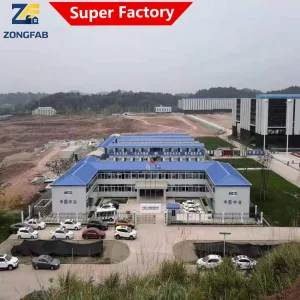
With continuous investment in advanced manufacturing technologies, KS Housing now operates modern production lines equipped with automated welding, precision cutting, and standardized assembly processes. The company emphasizes quality control, structural durability, and design flexibility, enabling clients to customize layouts, finishes, and configurations based on diverse project requirements.
Today, Foshan KS Housing Co., Ltd. serves clients across Asia, Africa, the Middle East, and South America, providing reliable temporary and permanent housing solutions. Committed to innovation and sustainability, the company continues to enhance modular construction efficiency while supporting global demand for smarter, faster, and more adaptable building systems.
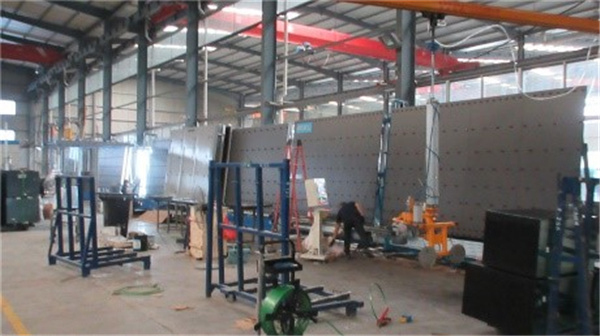
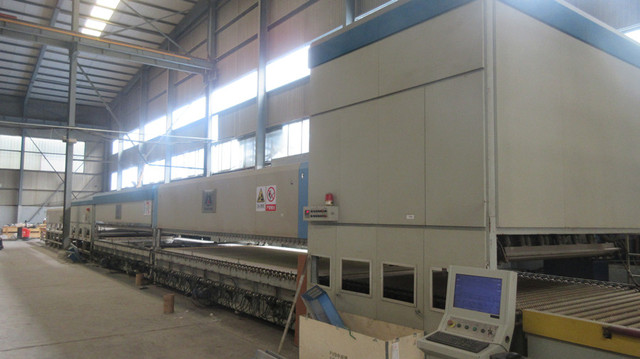
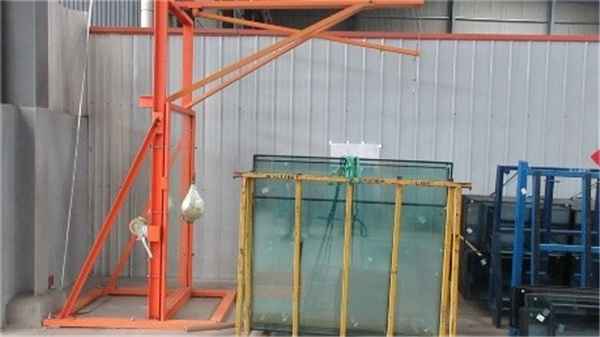
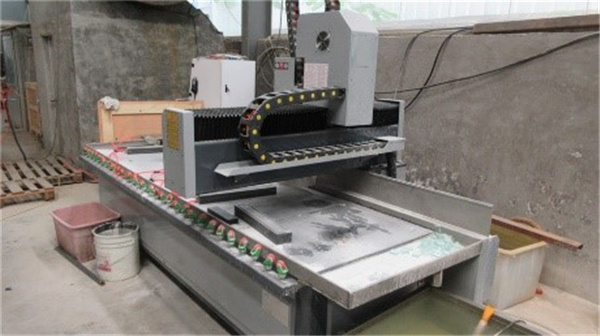
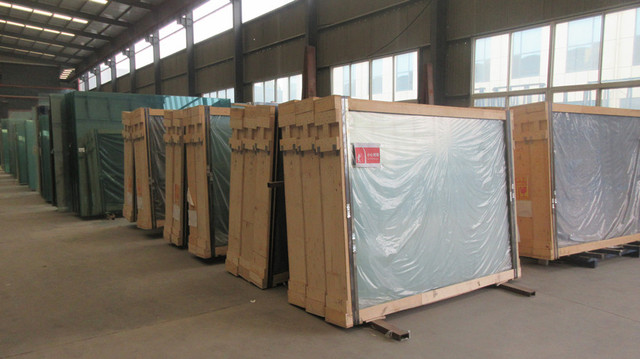
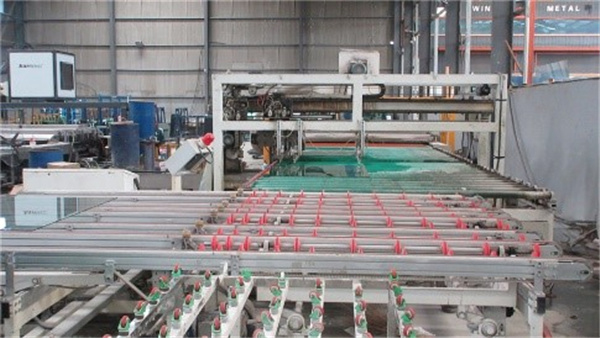
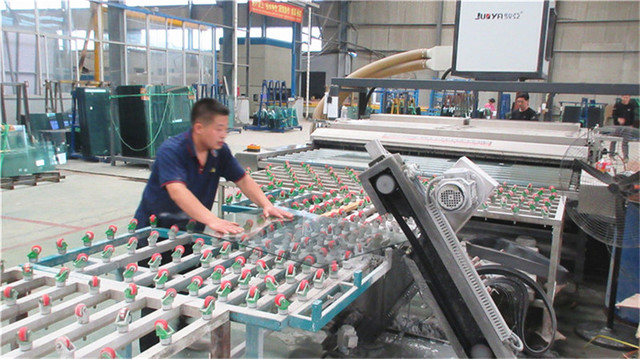
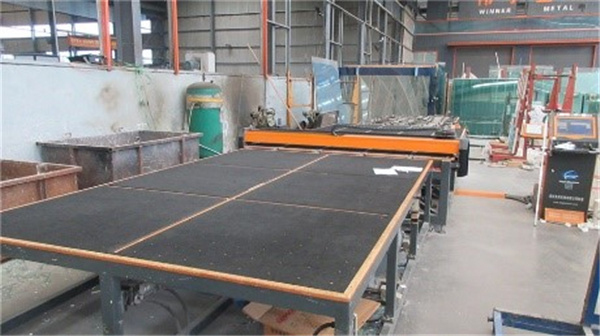
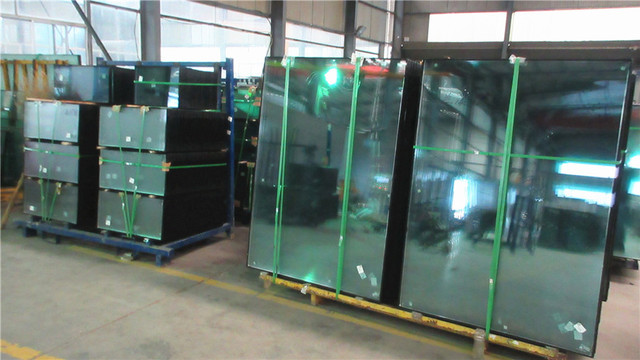
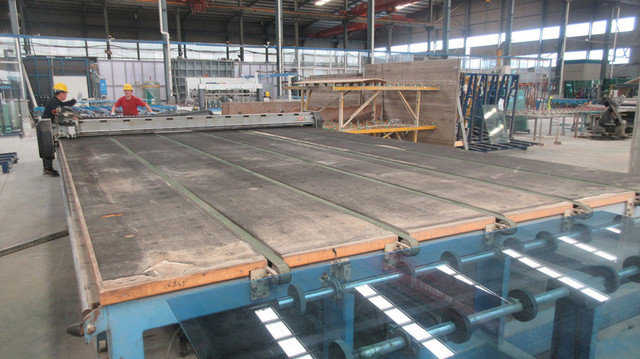
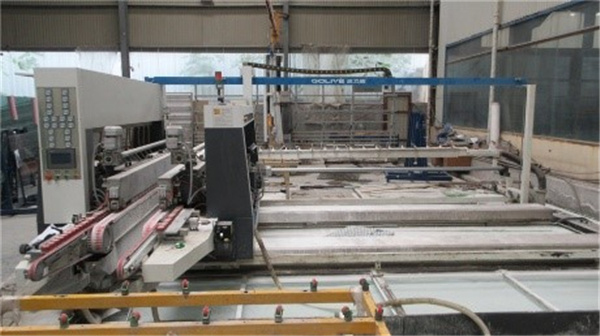
Foshan is recognized as a global manufacturing hub for construction materials. Operating within this industrial cluster gives KS Housing access to a comprehensive supply chain ecosystem. We source raw hot-dip galvanized steel, specialized high-density insulation, premium double-glazed fenestration, and electrical fittings from top-tier local suppliers.
Our Factory 4.0 integration improves precision through CNC metal-forming machines and automated welding robots. This digital approach ensures structural consistency across thousands of manufactured units.
A primary advantage of this modern factory system is modular standard compliance. High-precision laser cutting keeps manufacturing tolerances within 0.5mm. This accuracy prevents on-site assembly issues, which is especially important for complex multi-story designs.
Additionally, our strategic supply chain logistics prevent delays. Close relationships with major global shipping lines and proximity to ports like Nansha, Shenzhen, and Hong Kong ensure container shipments remain prompt and predictable, despite fluctuations in global logistics.
Modular housing structures serve diverse functions across municipal, industrial, commercial, and residential sectors. Their modular configuration allows adaptation to distinct environments.
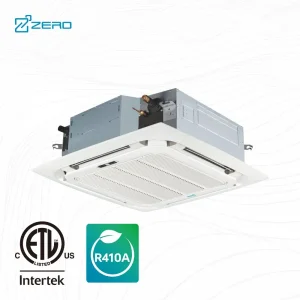
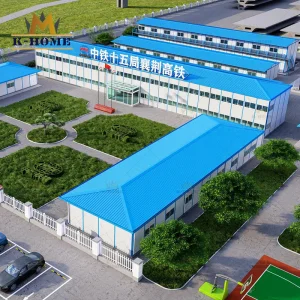
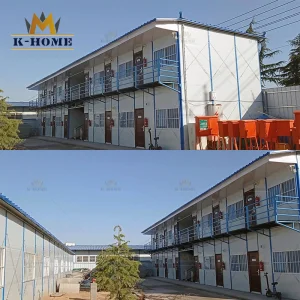
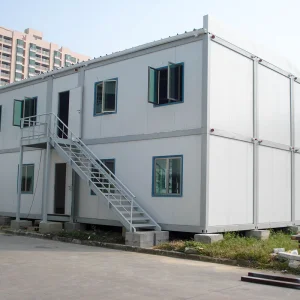
Heavy-duty modular dormitories built to withstand extreme desert heat or sub-zero arctic zones, complete with integrated HVAC and durable insulation panels.
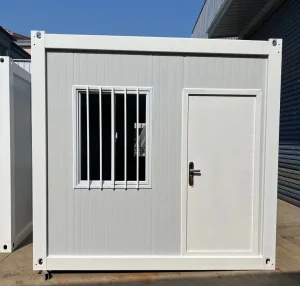
Stackable, relocatable container offices certified to ISO standards, featuring soundproofing, fiber-optic routing, and customizable interior layouts.
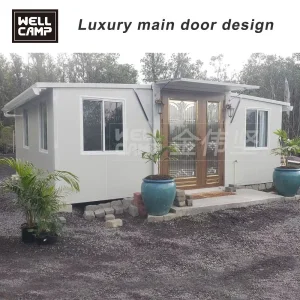
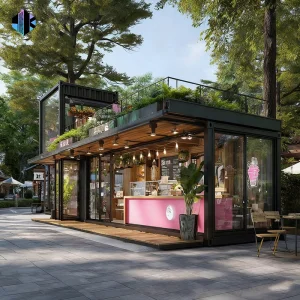
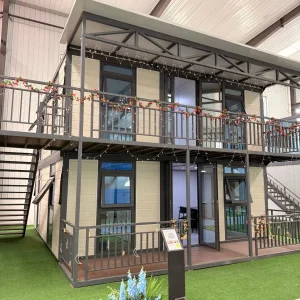
Architectural villas and holiday retreats utilizing light steel frameworks. These structures support modern designs, large windows, and fast field assembly.
Essential technical answers for commercial buyers, engineers, and supply chain managers.
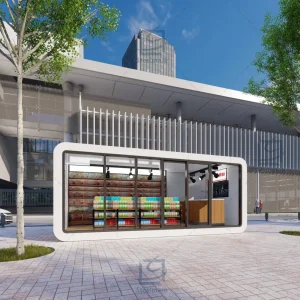
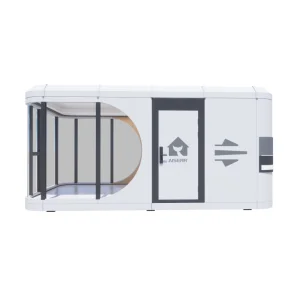
Explore our versatile configurations designed for remote workspaces, storage facilities, and custom architectural layouts.
 KS Housing