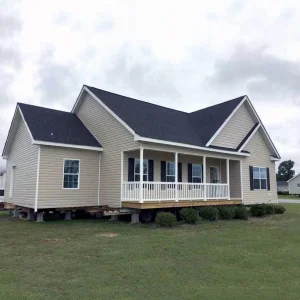
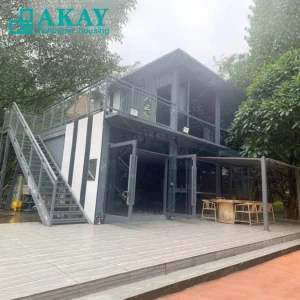
Explore our top-tier engineering solutions, ranging from specialized multi-story containment housings to architectural residential villas designed for high-load durability.
In the contemporary global construction landscape, traditional brick-and-mortar execution is rapidly being superseded by advanced modular methodologies. As a premier China lightweight structure systems supplier, we stand at the intersection of civil engineering innovation and material science breakthrough. The modern structural paradigm demands deep optimization across weight-to-strength ratios, seismic resilience, thermal envelope continuity, and rapid off-site production synchronization. Lightweight structure systems represent the definitive technological answer to escalating global raw material prices, rigorous urban zoning constraints, and tight project schedules.
By shifting up to 90% of structural fabrication to a controlled factory ecosystem, our pre-engineered lightweight frameworks eliminate the vulnerabilities of field construction, such as unpredictable weather and labor variances. Our macro-level structural solutions leverage cold-formed thin-walled steel profiles, high-tensile hot-dip galvanized elements, and advanced composite insulated panel skins. This delivers an architectural configuration that is significantly lighter than standard reinforced concrete or thick heavy-rolled structural steel, while maintaining uncompromised mechanical performance, high load capacities, and extended fatigue lifespans under severe environmental pressures.
Optimized structural steel grades (including Q355 and specialized light-gauge alloys) maximize load performance while reducing foundation weight and mass overhead by up to 45% compared to masonry alternatives.
Integration of high-density mineral wool, polyurethane (PU), or polyisocyanurate (PIR) core composite sandwich panels eliminates thermal bridging, minimizing ongoing HVAC operational costs.
All components are fully recyclable, facilitating high material recovery rates. Demountable bolt-and-nut structural connections allow clean dismantling, relocation, or expansion with minimal onsite carbon impact.
The acceleration of global trade, cross-border infrastructure initiatives, and decentralized resource extraction requires adaptable structural physical assets. Industrial entities across Asia, Africa, South America, and the Middle East face distinct environmental challenges—from the salt-laden marine air of sub-tropical coastlines to the high wind and thermal fluctuations of desert climates. Standardized, rigid building blueprints fail under these diverse, heavy demands.
As an industry-leading lightweight structure systems manufacturer, we deploy an integrated approach to industrial engineering. Our globally exported frameworks address the specific supply chain pressures of remote sites. By designing components to fit tightly within standard high-cube shipping containers, we minimize transcontinental freight expenditure and reduce the risk of handling damage. On-site, our modular lightweight frameworks can be quickly erected using standard tools and light cranes, bypassing the complex heavy machinery supply lines required by traditional builds.
Foshan KS Housing Co., Ltd. is a professional manufacturer and global supplier specializing in modular construction systems, positioned as a Modular Container Building Supplier | Prefabricated Housing | Temporary & Permanent Solutions provider. The company focuses on delivering flexible, cost-effective, and fast-deployment building solutions for construction sites, commercial projects, workforce accommodation, and residential applications worldwide.
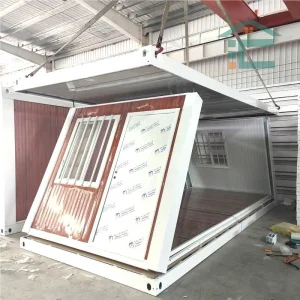
Established in 2010 in Foshan, China, KS Housing began with the production of light steel structures and basic prefab units for domestic infrastructure projects. As international demand for efficient and relocatable buildings grew, the company expanded its capabilities into modular container buildings and integrated housing systems. By 2016, KS Housing had developed a complete product range including flat-pack container houses, detachable prefab buildings, and multi-functional modular units.
With continuous investment in advanced manufacturing technologies, KS Housing now operates modern production lines equipped with automated welding, precision cutting, and standardized assembly processes. The company emphasizes quality control, structural durability, and design flexibility, enabling clients to customize layouts, finishes, and configurations based on diverse project requirements.
Today, Foshan KS Housing Co., Ltd. serves clients across Asia, Africa, the Middle East, and South America, providing reliable temporary and permanent housing solutions. Committed to innovation and sustainability, the company continues to enhance modular construction efficiency while supporting global demand for smarter, faster, and more adaptable building systems.
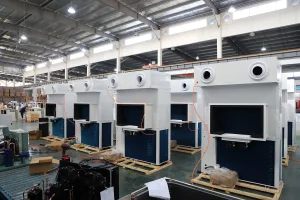
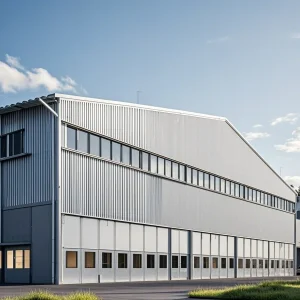
Advanced Manufacturing Plant & Structural Component Depot
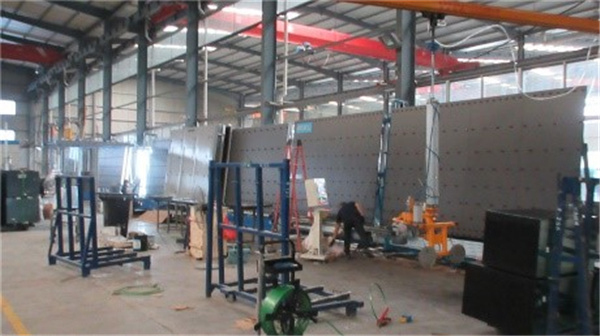
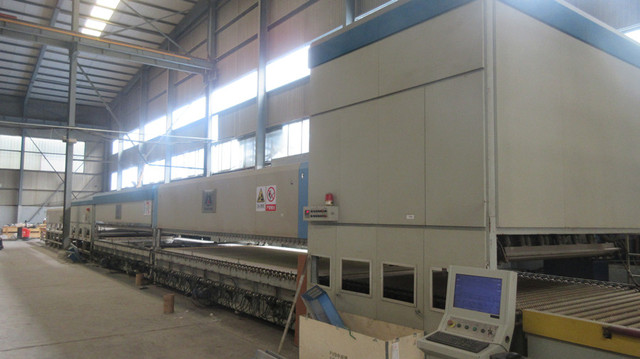
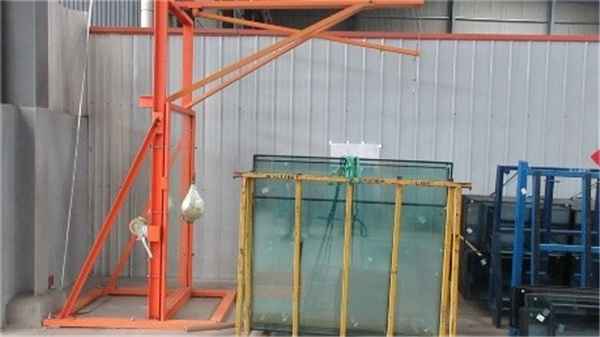
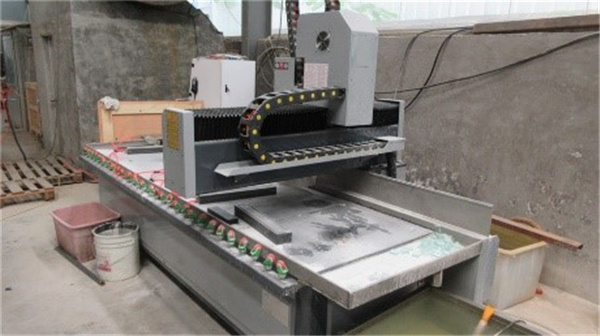
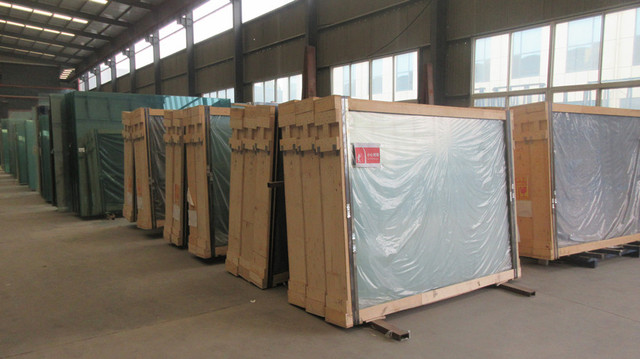
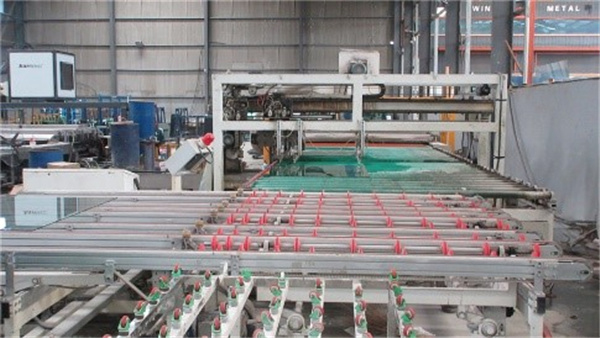
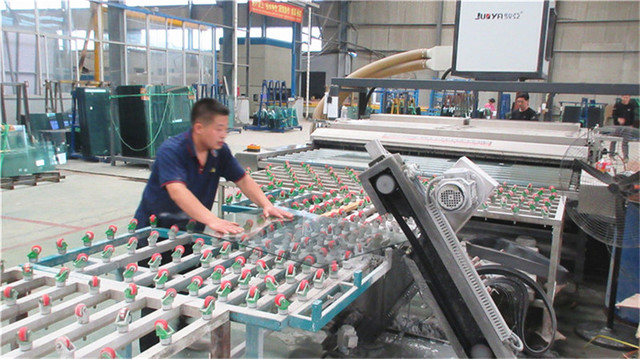
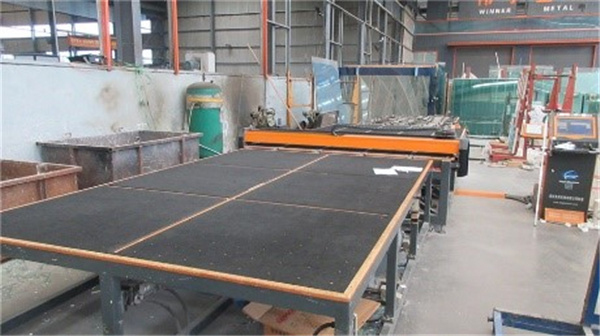
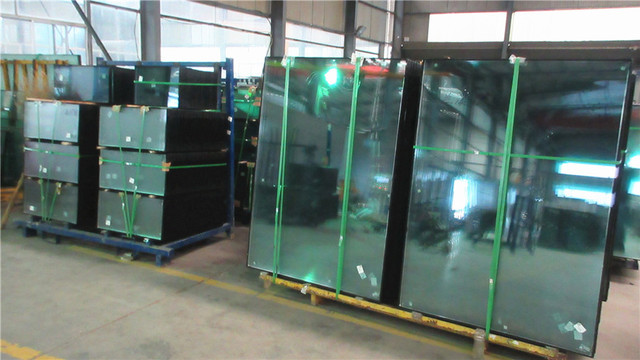
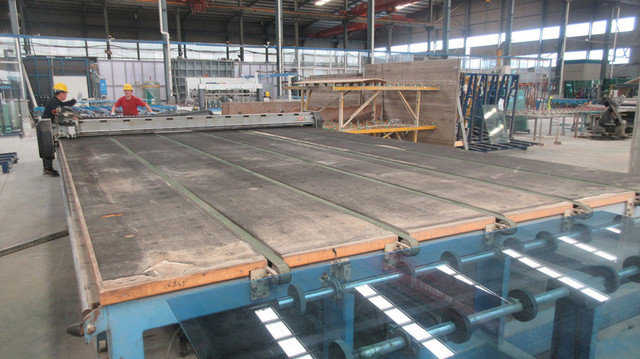
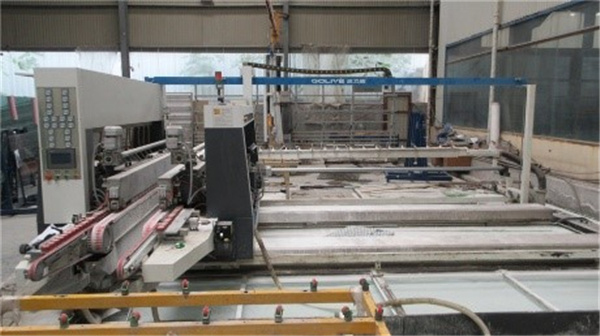
The versatility of our structural engineering lines enables adaptation to demanding microclimates and strict regional regulations. By analyzing localized application scenarios, our structural configurations are custom-tailored to provide safety and operational longevity across diverse, harsh environments:
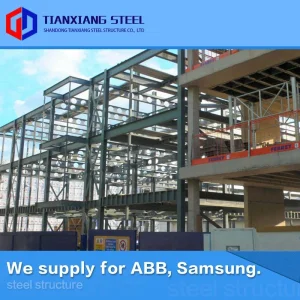
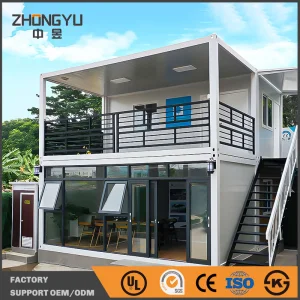
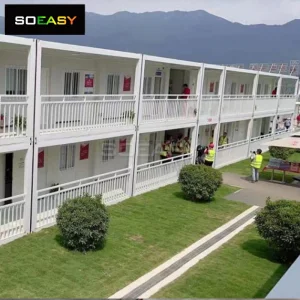
Engineered to withstand heavy snow and strong winds, these high-durability multi-story container office blocks and workforce quarters provide safe housing in remote, extreme environments.
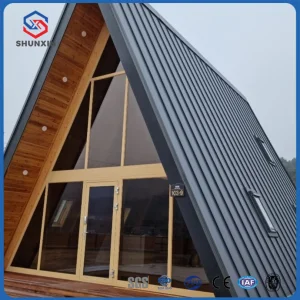
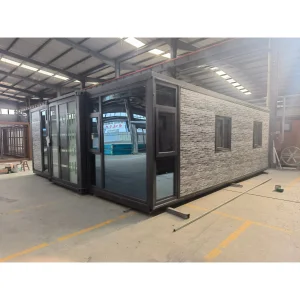
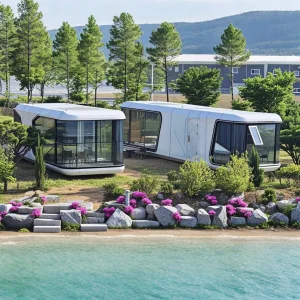
Utilizing custom multi-layered, anti-corrosive coatings, our expandable container houses, modern luxury glass tiny homes, and capsule resorts resist salt-spray rust along coastal developments.
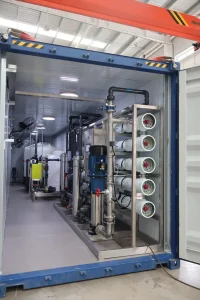
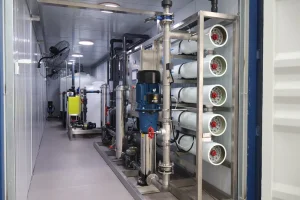
Specialized aquaculture container shelter systems and containerized RO water purification plants feature sealed interior frames and stable chemical resistance for critical environmental control.
A primary barrier to implementing off-site modular construction is navigating international building codes and certification systems. As a trusted global lightweight structure systems suppliers network, we ensure all components meet the stringent regulatory requirements of destination countries.
Our structural design engineering matches standard parameters within the International Building Code (IBC), Eurocodes, and specialized regional structural health metrics. From checking steel chemical formulations to verifying weld integrity via non-destructive testing (NDT), each production batch is fully documented. This thorough documentation gives municipal engineers, third-party inspectors, and project underwriters total confidence in the structural integrity, safety, and compliance of the build.
Engineering calculations are optimized to withstand local wind loads (up to Category 12 typhoons) and seismic performance requirements. We utilize finite element analysis (FEA) to confirm localized structural joints withstand dynamic shear strain stress during seismic events.
Our composite sandwich systems utilize non-combustible core materials certified to European standards (EN 13501-1 Class A) and equivalent global fire codes. This delivers structural flame resistance that delays heat transfer and protects load-bearing columns.
The future of lightweight structural system engineering centers on deeper digital integration, automation, and eco-friendly material science. Our R&D team works closely with metallurgy research institutions to implement high-strength steel formulas that reduce framework weight while retaining top-tier mechanical load capacities.
We are shifting our manufacturing infrastructure toward automated robotics for high-precision welding and zero-tolerance CNC cold-forming. Simultaneously, we are incorporating green building principles directly into the design phase. By designing panels with calculated spaces for solar arrays, integrating gray-water reuse plumbing loops, and using advanced bio-resins for structural insulation cores, we help developers lower operational carbon footprints and achieve international green building certifications (like LEED and BREEAM).
Lightweight structural systems utilize high-tensile cold-formed steel sections (like Q355) and light composite wall panels instead of heavy hot-rolled I-beams and standard masonry. This system reduces foundational load weights by up to 50%, enabling lighter, cost-saving concrete foundations. Off-site fabrication also eliminates material waste and drastically cuts on-site crane and assembly labor costs.
All structural framework components undergo hot-dip galvanization with a thick protective zinc layer, supplemented by durable anti-corrosive marine paint. Wall panels feature fluoropolymer or high-durability polyester (HDP) outer sheets that resist UV breakdown and salt spray rust, ensuring a structural service lifespan of 30 to 50+ years even in harsh marine conditions.
Yes. Our modular engineering approach allows total flexibility in spatial layout. Internal partitions can be reconfigured or omitted to create wide-span open spaces. Modulators can be stacked up to three stories high or expanded horizontally, allowing easy integration of external balconies, custom glass curtain walls, and specialized interior trim lines.
Our wall systems utilize high-density polyurethane (PU) or rockwool insulation cores ranging from 50mm to 150mm+ in thickness. This delivers excellent thermal resistance (low U-values) that prevents heat loss, keeps interiors stable during freezing external temperatures, and significantly reduces ongoing building heating and cooling costs.
Explore our secondary catalog of scalable container complexes, modular retail solutions, and highly specialized container systems.
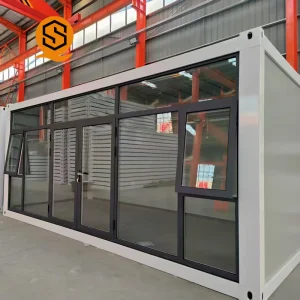
 KS Housing