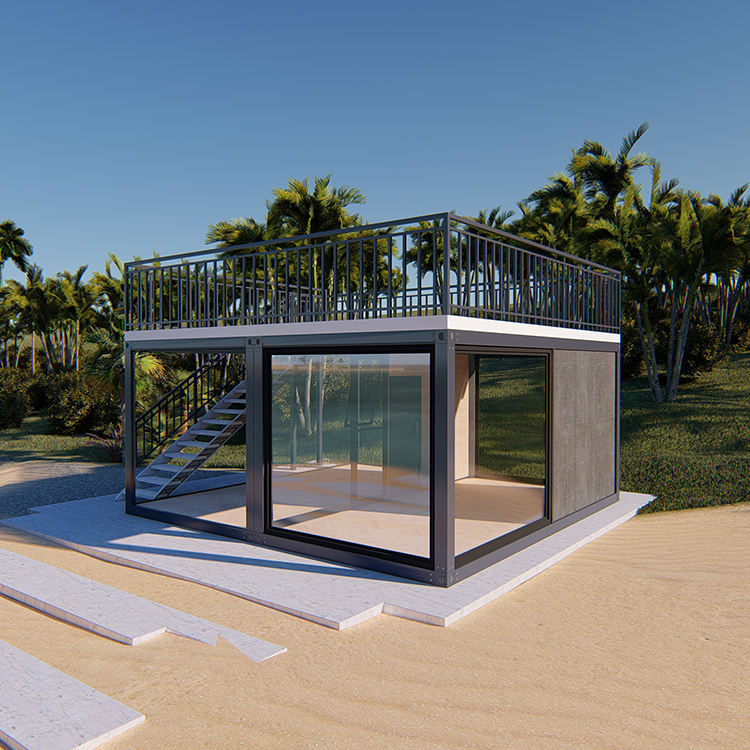
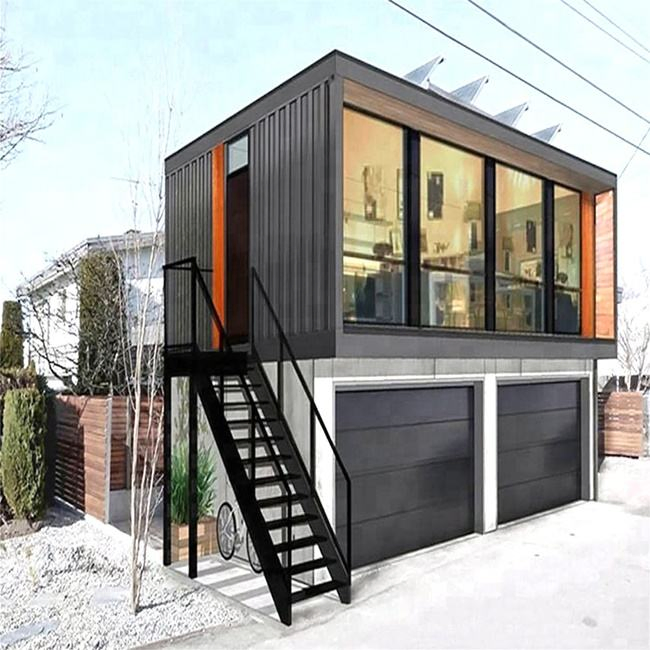
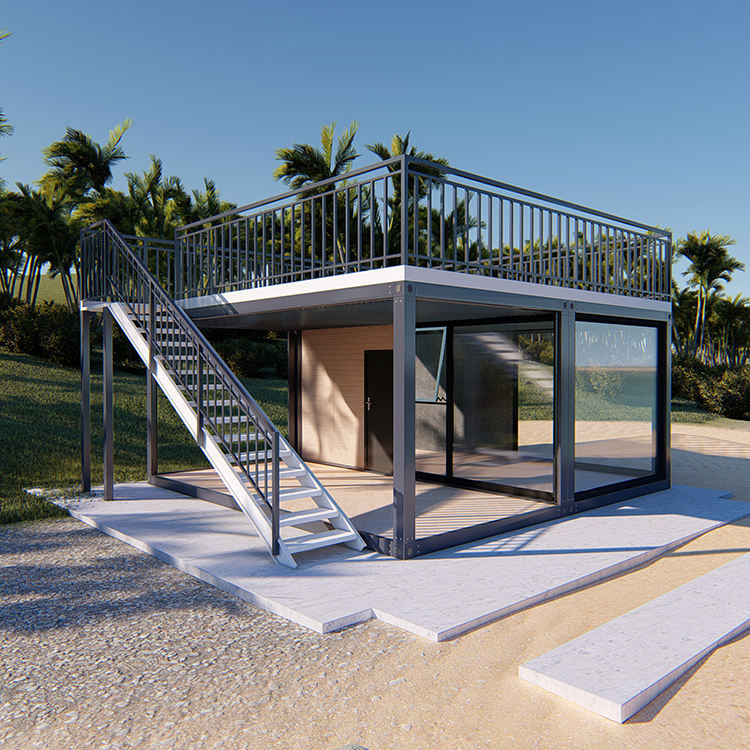
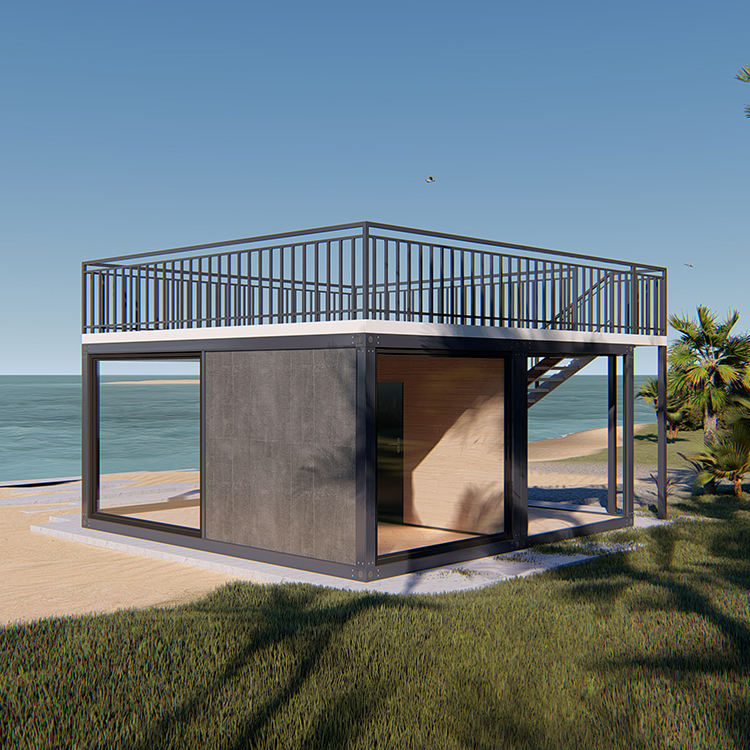
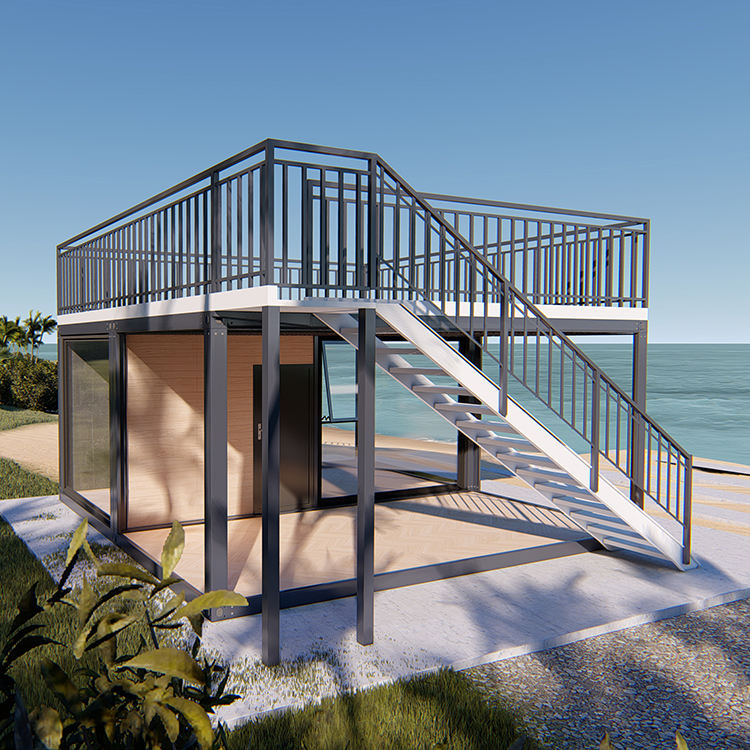
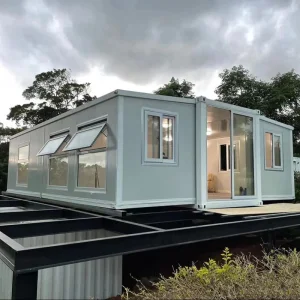
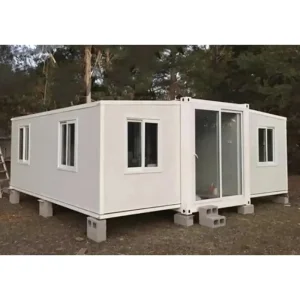
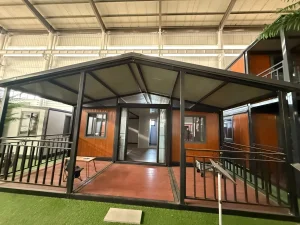
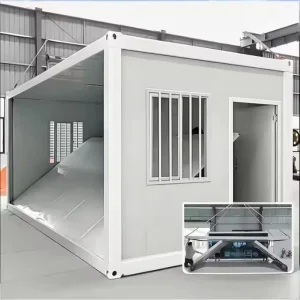
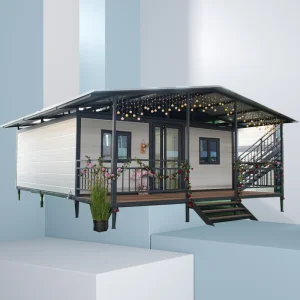
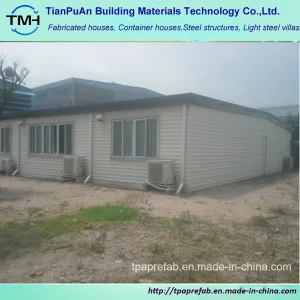
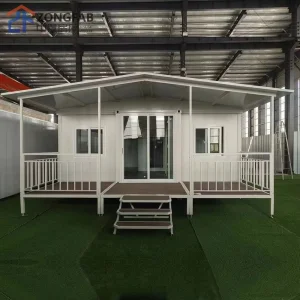
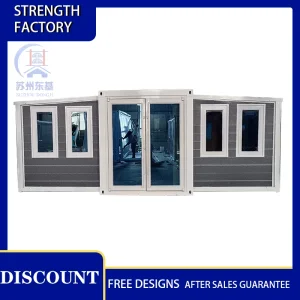
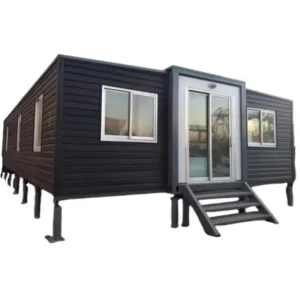
Foldable Modern Steel Frame Structure Movable Prefab Modular Homes

Still deciding? Get samples of $ !
Request Sample

Product Description

Basic Specifications

Model NO.
TS-PH-33
Design Style
Modern
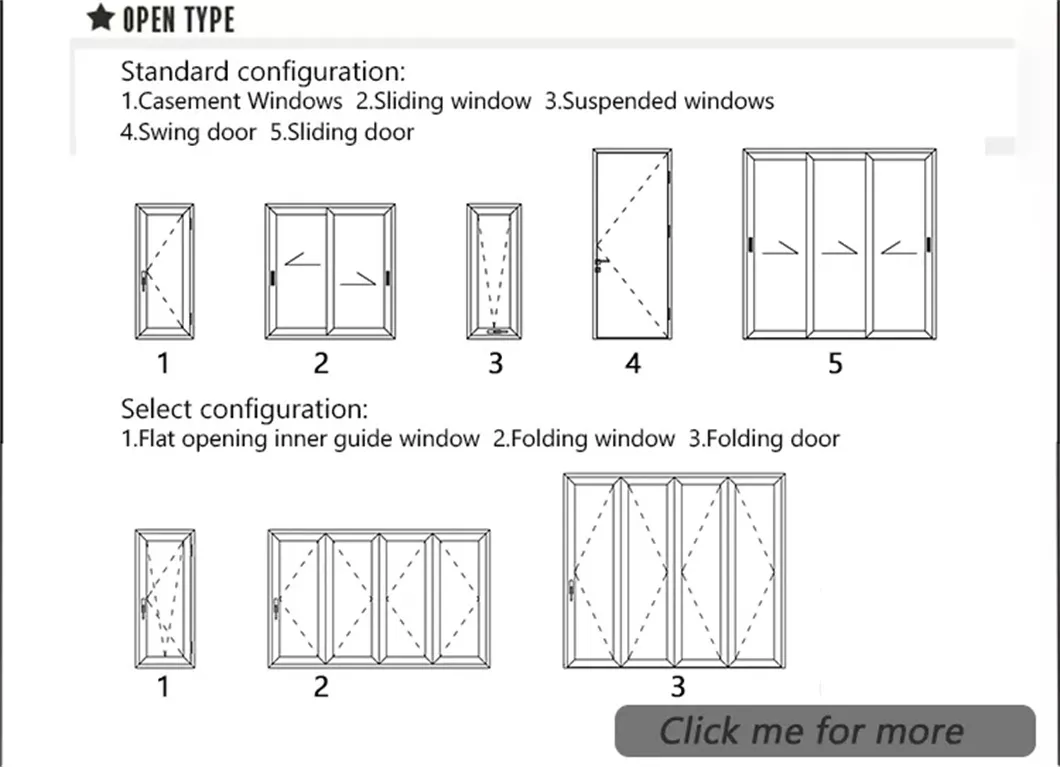
Window
PVC Sliding or Aluminum Alloy Window
Color
Customized
Door
Sliding Glass Door
Product Type
Container Houses
Layout
One ~ Four Bedrooms
Frame
Light Steel Structure
Roof Panel
50mm Sandwich Panel
Life Span
10-15 Years
Advantage
Waterproof/Soundproof/Fireproof
Capacity
30 Units Per Day

Product Description

Foldable Modern Steel Frame Structure Movable Prefab Modular Homes

Most people just can't get enough of the sun. It uplifts spirits, help us get that glowing sun-kissed tan, and can make even the bleakest of home spaces feel roomy and bright. In interior home design, using natural light - "daylighting" - not only has numerous aesthetic benefits but also provides a surprising amount of health benefits.
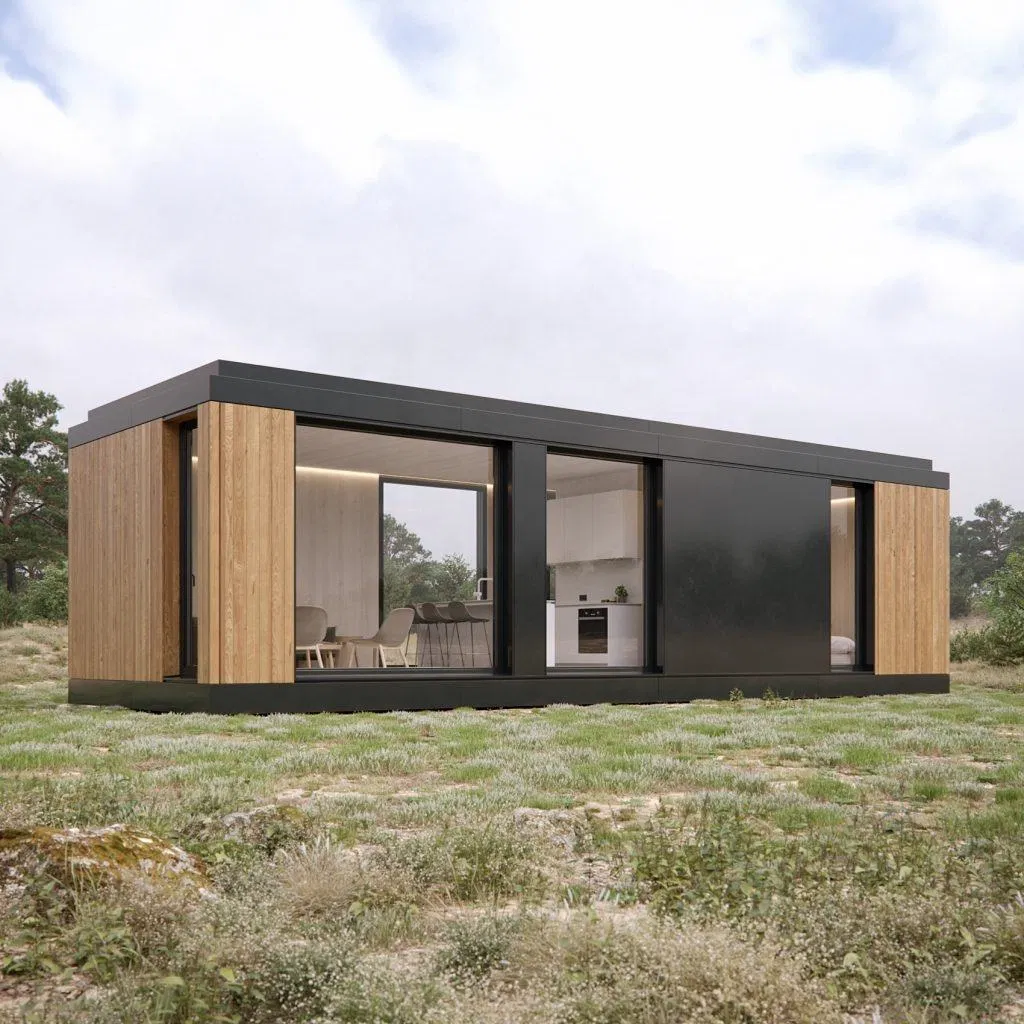
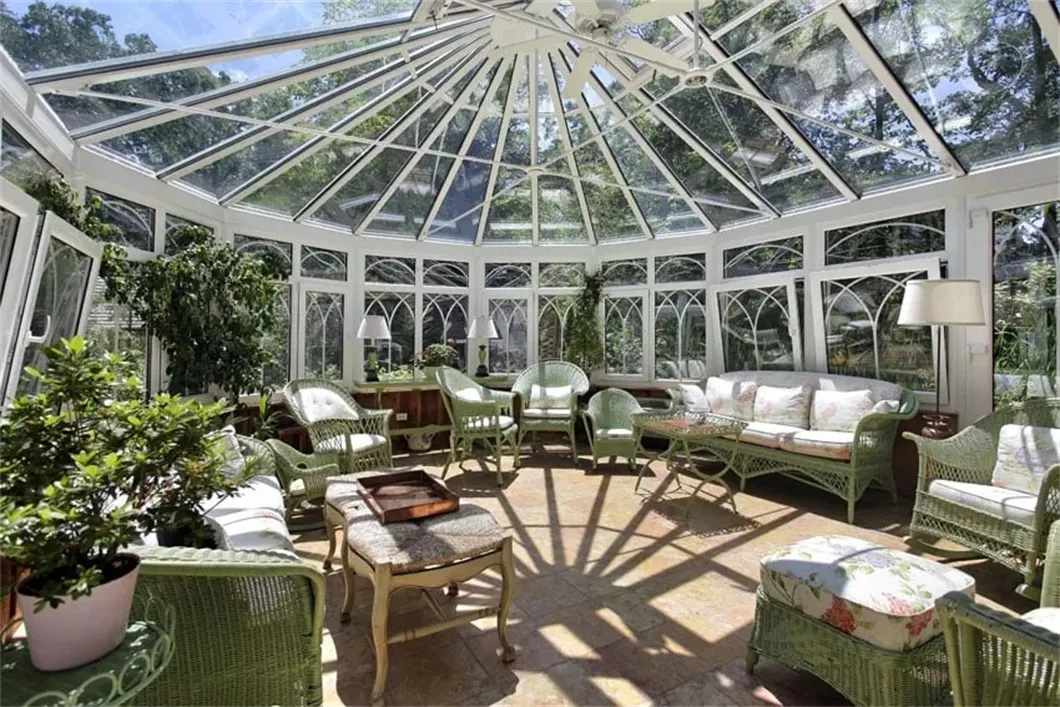
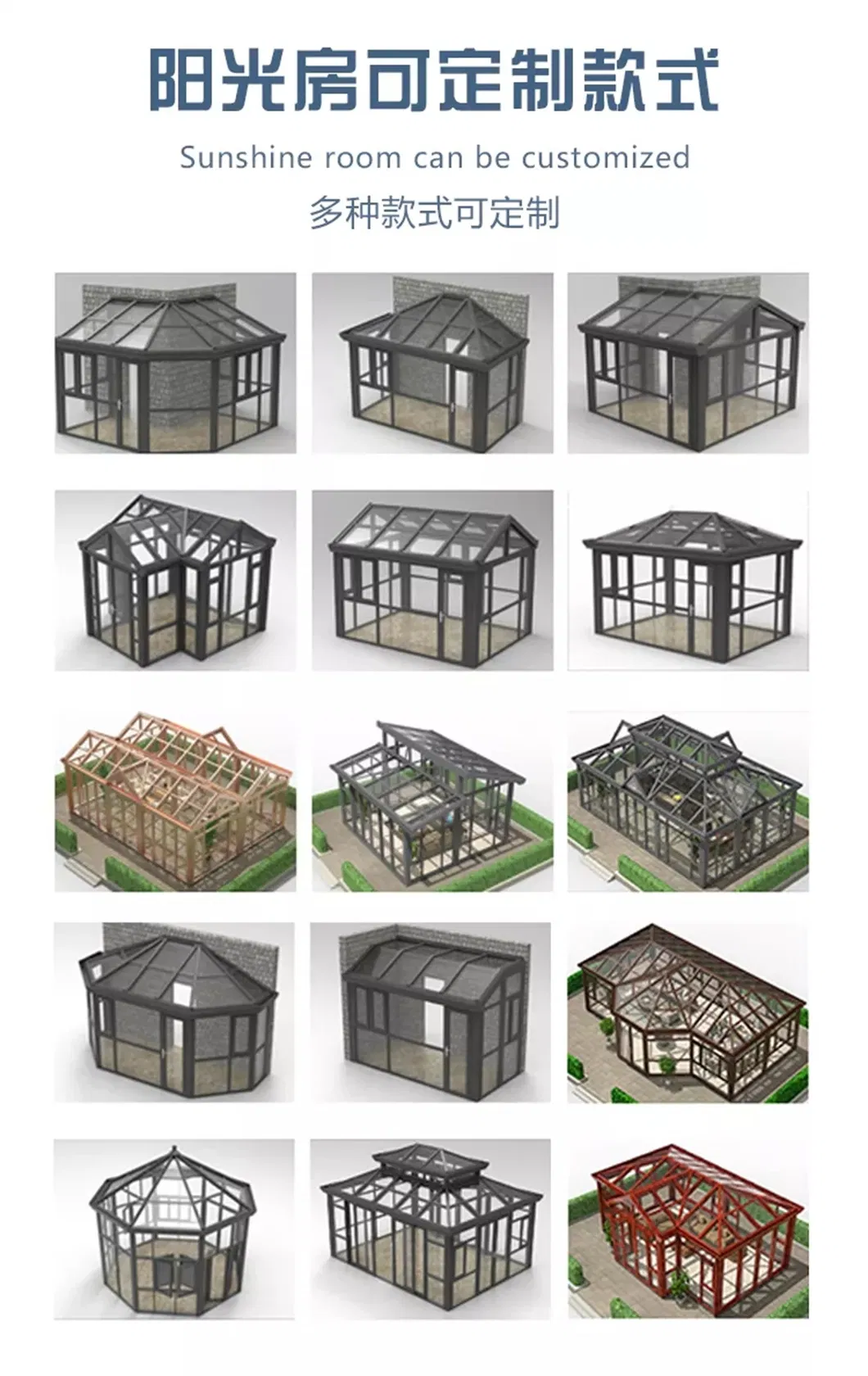
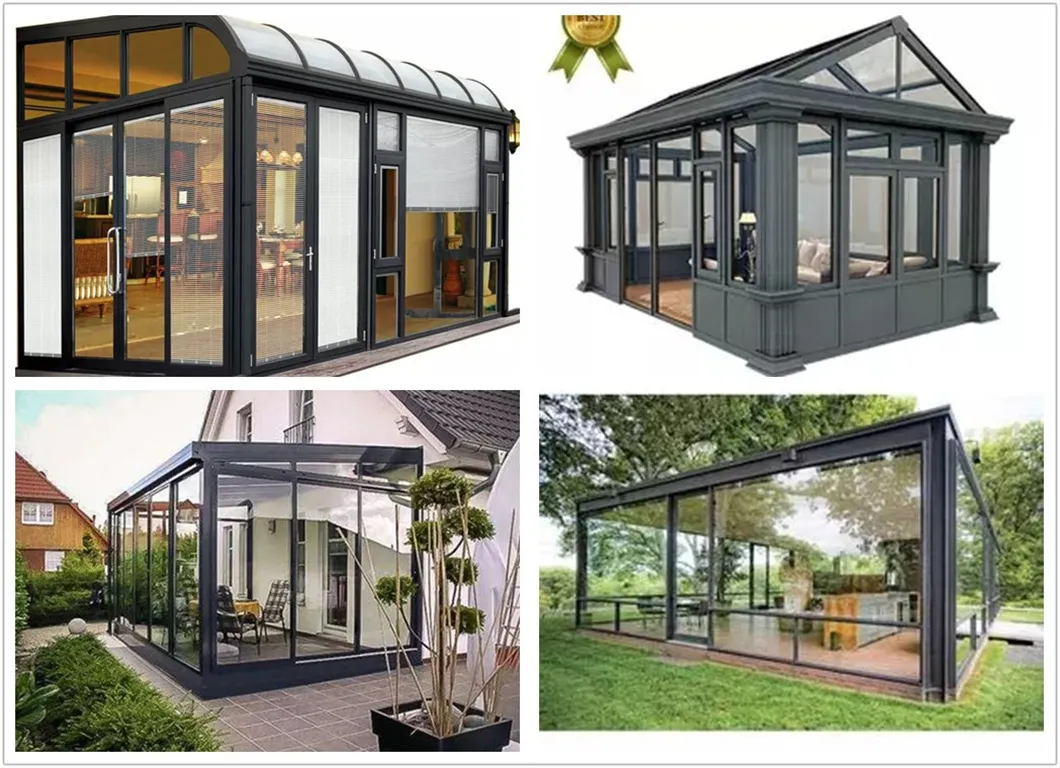
Sunroom Additions

Sunroom additions are a popular choice for upgrading the value of a living space. Typically added to existing decks, porches, or lanais, they can also be made from the ground up. The extra comfort and space from a new sunroom is well worth the investment.
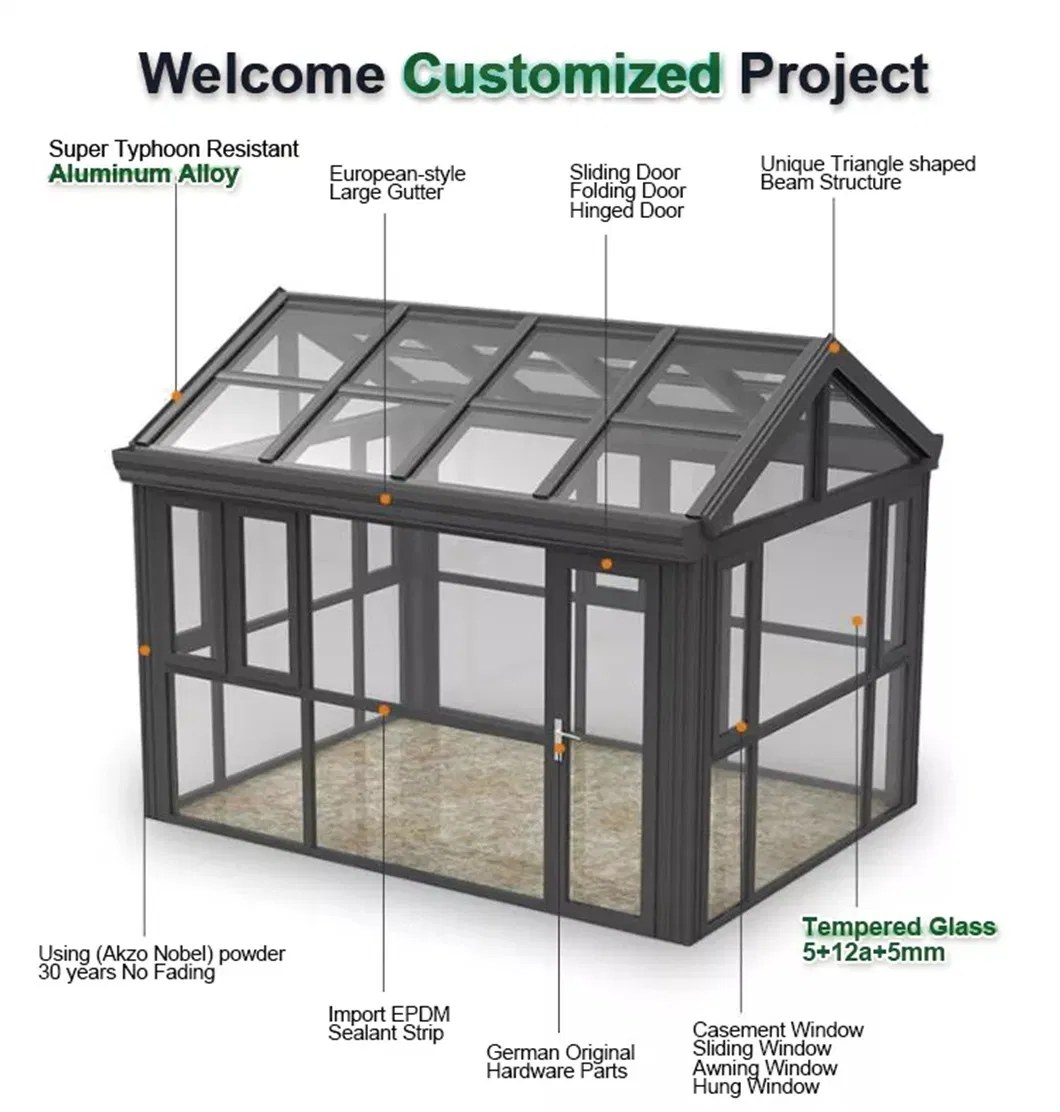
Package Type Optional: EPE foam, wooden crate, wooden case. Strong Cartons; Rubber glass corners, cable ties
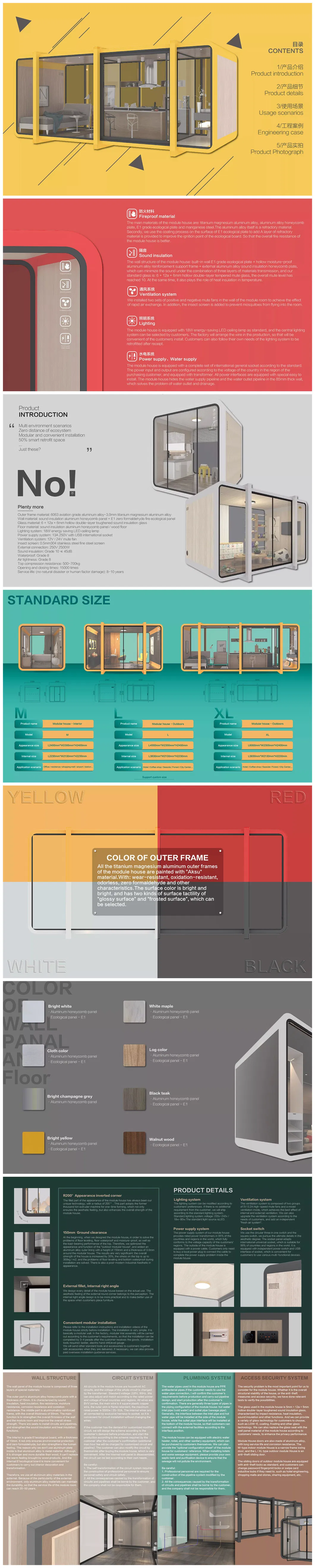
Glass Type 1. Low-e glazing, frosted/obscure, tinted
2. Single toughened: 6, 8, 10, 12mm
3. Double toughened: 5+12A+5, 6+12A+6
4. Triple glass: 5+6A+5+6A+5mm
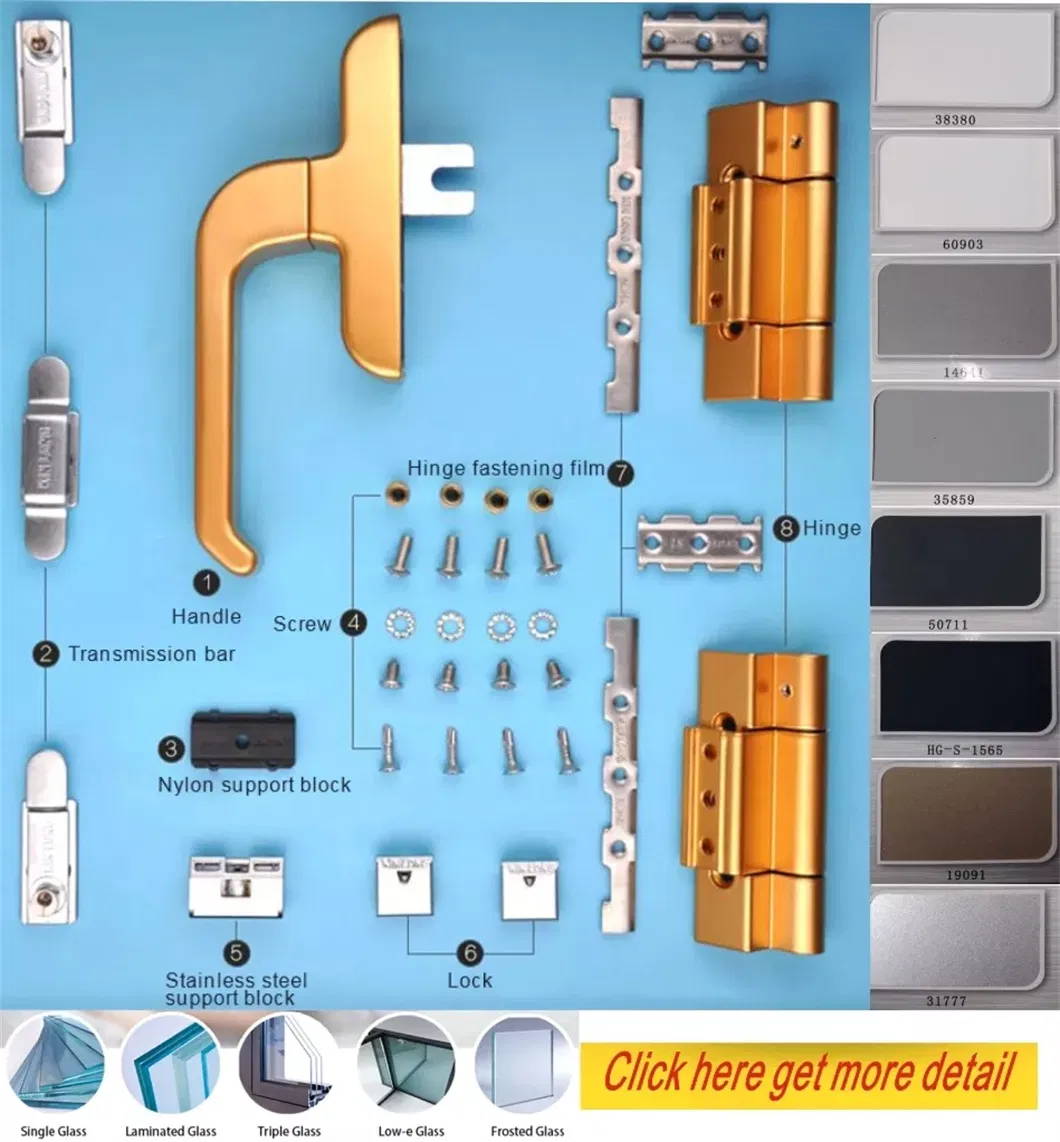
Hardware German Siegenia/Roto; Premium Brands
Surface Finish Powder coated; Electrophoresis; Fluorocarbon; Anodizing; Wood grain
Application Residential series; Commercial series; Modular house, Steel structure house

Visual Gallery

Insights on Prefab Housing

Prefab homes are made from components constructed in a factory and then transported to a home lot to be assembled. They range from modular homes (connecting multiple modules) to panelized homes and kit homes.

Affordability & Efficiency

Generally, prefab construction is 10 to 25 percent cheaper than stick-built homes due to mass-produced materials and lower labor costs. Most prefab homes can be completed in 4 to 6 months, which is significantly faster than the 8-month average for traditional builds.

Sustainability & Resiliency

Prefab is considered eco-friendly as it produces less waste and offers tighter seams for better energy efficiency. Furthermore, because these structures must withstand transport, they are often structurally stronger and more resilient against high winds and earthquakes.
Frequently Asked Questions

1. How are prefab houses installed on-site?
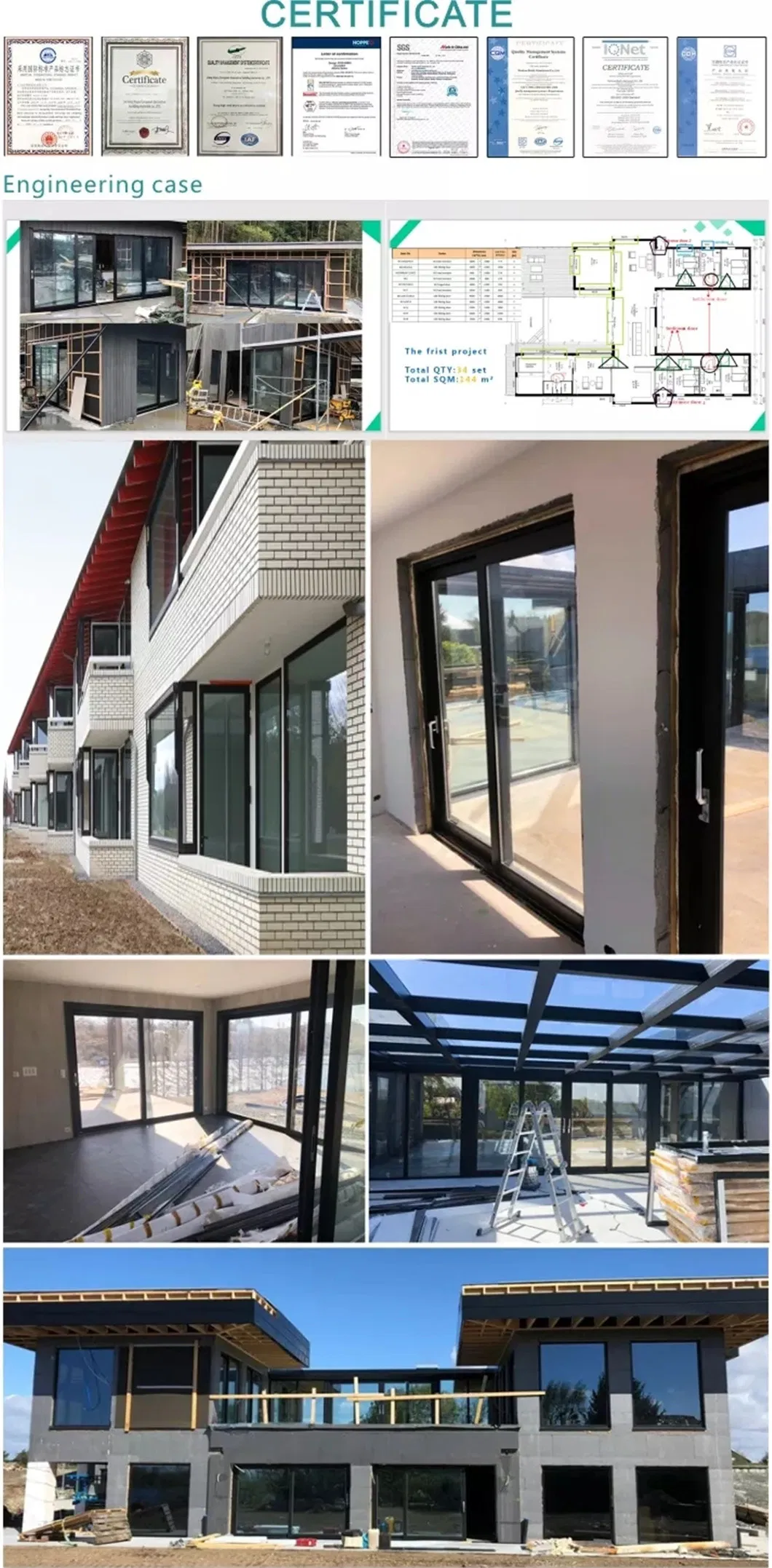
We provide manuals with photos/drawings and videos for self-installation. Alternatively, technical teams can be sent for guidance, or engineers can be trained at the factory to handle the assembly.
2. What are the main advantages of a prefab house?
The main benefits include recyclability (easy to disassemble and relocate), lower costs compared to traditional buildings, rapid installation (up to 150 sq.m per day with a skilled team), and high safety standards (resistance to grade 7 earthquakes).
3. What is the typical usage for these structures?
They are primarily used for temporary offices, labor accommodations, and disaster relief resettlement. They can also be customized for modern villas, schools, or warehouses.
4. How should a prefab house be maintained?
Avoid making structural changes after installation. It is recommended to repaint the structure every 1-2 years to extend its service life and maintain its appearance. Ensure electrical wires are not tied directly to the frame.
5. Are prefab homes truly more affordable?
Yes, they are typically 10-25% cheaper. Savings come from bulk material purchases in factories, reduced labor hours on-site, and shorter construction timelines.
6. Can I customize the layout and style?
Yes, various finishes, upgrades, and layout configurations are available. Most prefab builders offer options for sustainable materials, energy-efficient appliances, and specific architectural styles.

Related Products