Discover our range of structural solutions engineered for optimal climate resilience, easy transportation, and swift assembly protocols.
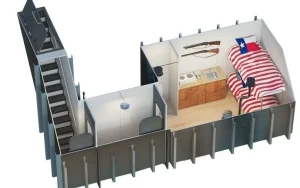
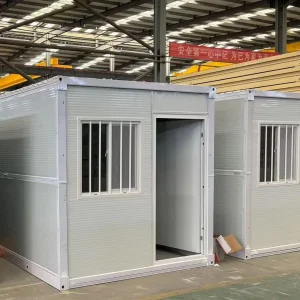
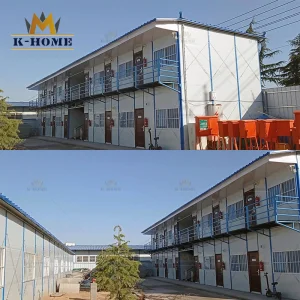
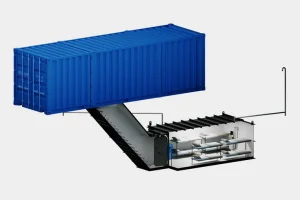
The global event industry, spanning cultural festivals, international sports events, industrial workforce gatherings, and seasonal tourist booms, is experiencing a fundamental structural shift. Historically, event operations relied on heavy, non-recyclable canvas infrastructure or logistically expensive brick-and-mortar hospitality facilities. Today, rising land-use regulations, stringent ESG (Environmental, Social, and Governance) targets, and critical security expectations have propelled prefabricated modular container systems to the forefront of event logistics management.
Temporary structures must satisfy the opposing constraints of high-velocity logistics and long-term durability. By using standardized ISO flat-pack dimensions, suppliers reduce international freight costs by up to 75% compared to shipping pre-assembled units. In China, advanced manufacturing centers leverage automated welding and high-tensile steel cold-forming to manufacture heavy-duty frames that can handle over 50 assembly-disassembly cycles. This enables event operators to maximize ROI over a decade-long lifecycle, treating housing panels as assets rather than disposable capital expenditures.
Foshan, China stands as the global heart of modular building engineering. The local supply chain integration—from raw steel processing and electrostatic powder coating to dense polyurethane sandwich panel formulation—allows manufacturers like Foshan KS Housing Co., Ltd. to achieve scale, speed, and precision that are difficult to match elsewhere. This concentrated ecosystem enables rapid prototyping, rigorous quality assurance, and tight lead times for projects requiring hundreds of housing units within a short manufacturing window.
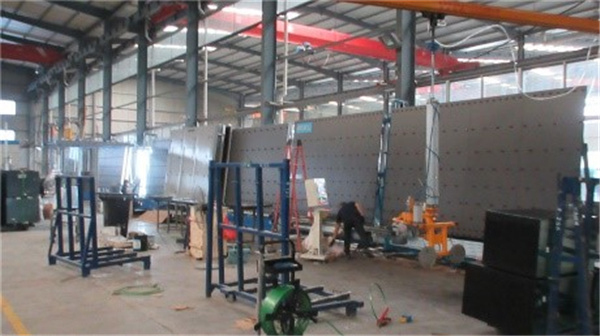
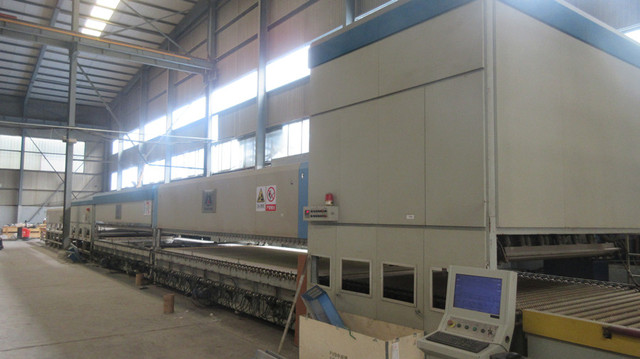
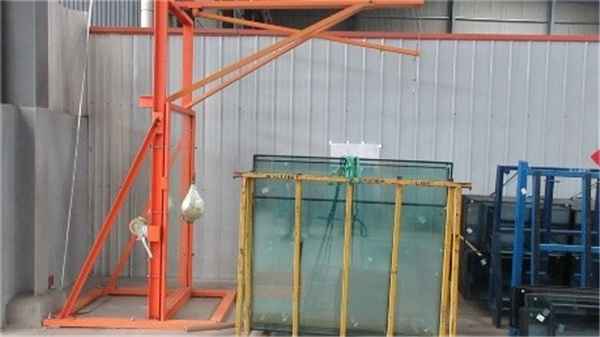
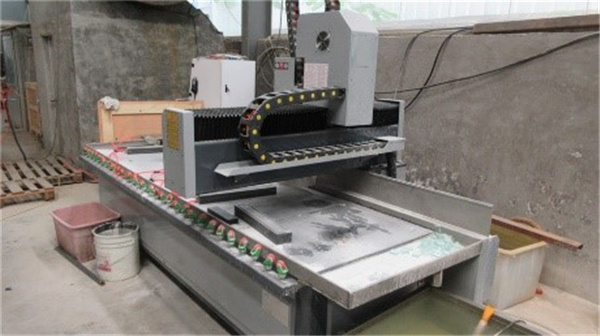
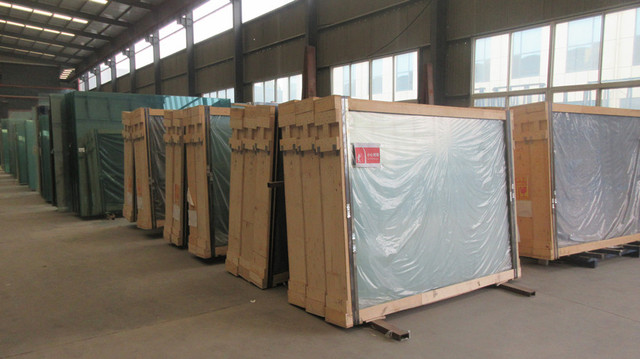
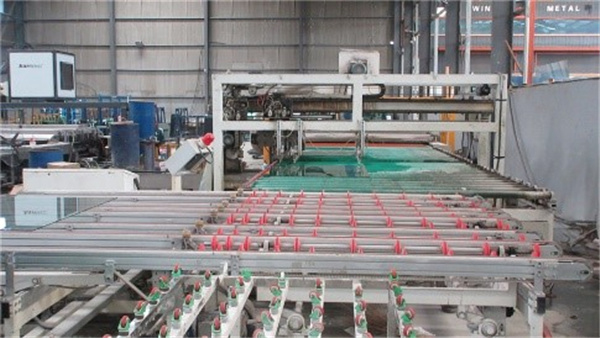
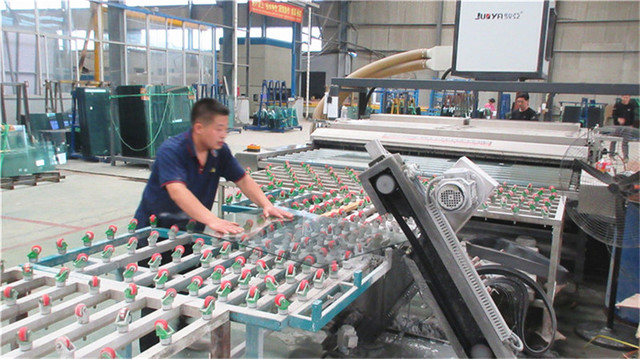
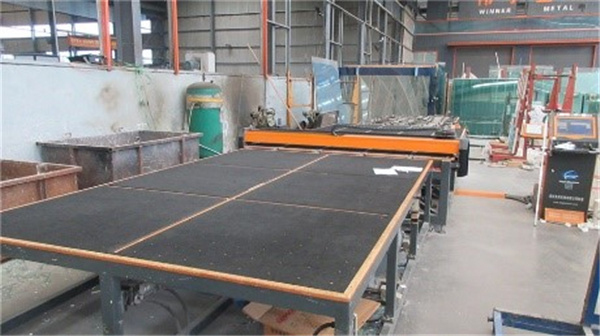
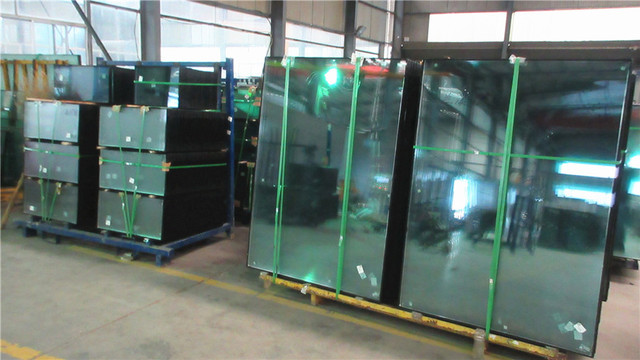
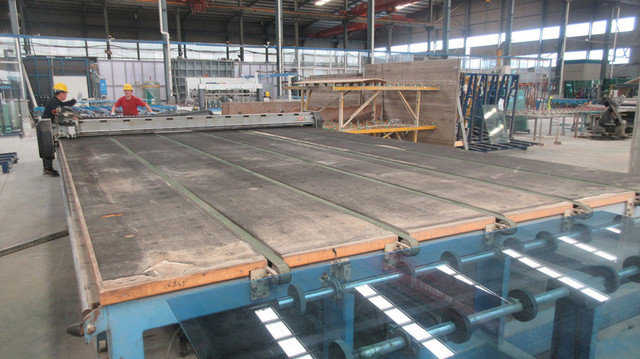
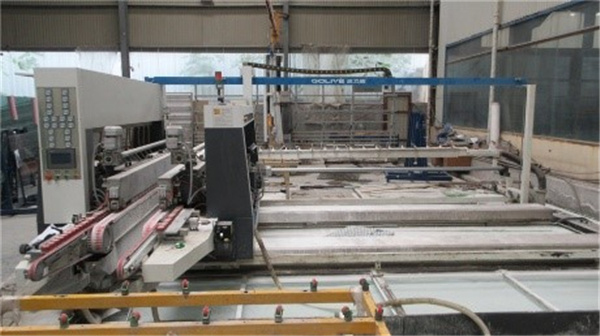
Consolidated production lines combining automated structural welding, precision profiling, and quality testing guarantee compliance with global structural load-bearing tolerances.
Advanced architectural engineering software models structural loads, localized wind speed calculations, and HVAC system layouts for high-density occupancy zones.
Minimizing site impact with zero-soil disruption foundation anchors, low VOC finishes, and building skins engineered for clean recycling after decommissioning.
This manufacturing infrastructure enables high flexibility in responding to complex bids for international music festivals, mining camps, and emergency response operations. Crucially, the integration of supplementary MEP (Mechanical, Electrical, and Plumbing) services ensures that modular solutions are delivered to the destination site as functional living systems, not just empty metal shells.
Building safety codes are strictly local, but the engineering must be global. For a developer or event coordinator, buying temporary cabins from China requires solid evidence of structural integrity and localized engineering certification. At Foshan KS Housing, we address this through international compliance frameworks:
Furthermore, our engineering teams provide localized shop drawings for municipal permit processing, detailing connection points, electrical schematics (certified to CE, UL, or AS/NZS specifications), and structural load distributions.
The versatility of high-grade prefabricated units allows them to serve distinct functions across commercial, humanitarian, and recreational sectors. Here are the core applications deployed by developers worldwide:
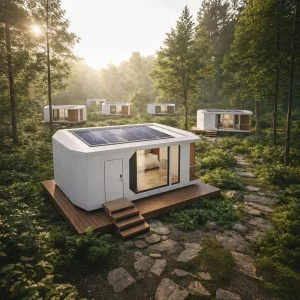
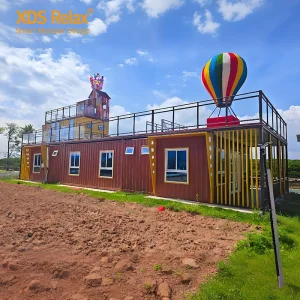
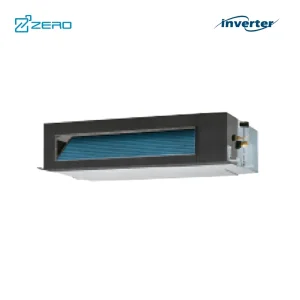
Luxury modular capsule cabins and flat-pack VIP suites offer a premium upgrade over standard tents. These units come equipped with pre-plumbed private bathrooms, integrated wall-mounted split-system air conditioning, and sound-insulated partition walls. This luxury accommodation setup provides festival organizers with high-margin revenue streams while preserving the land's natural grade.
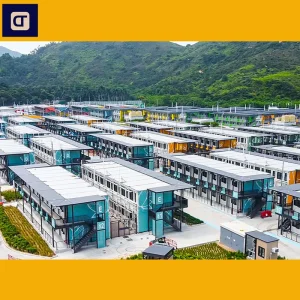
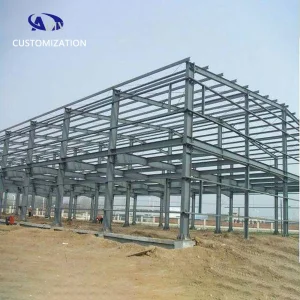
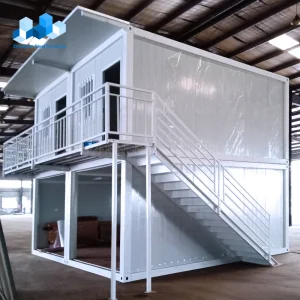
Heavy-duty, stackable modular units are ideal for remote industrial labor compounds. Designed to be coupled with large-span steel space frame structures for logistics warehouses or dining halls, they form complete off-grid towns. These camps are built to endure decades of continuous use, offering workers comfortable living conditions in isolated areas.
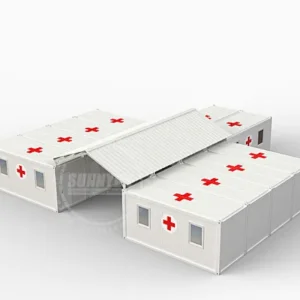
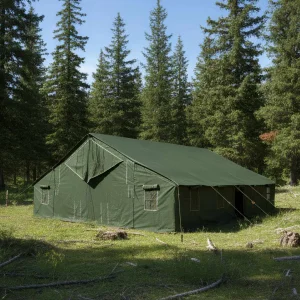
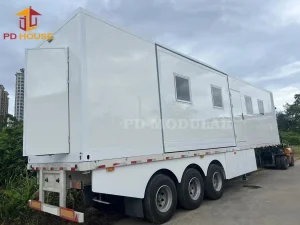
When public health or natural disasters challenge localized systems, expandable mobile lab containers and emergency tents provide immediate support. With pre-routed electrical lines and chemical-resistant, easy-to-sanitize wall panels, these units can be operational in hours, creating clean isolation wards, testing labs, or general triage space.
Foshan KS Housing Co., Ltd. is a professional manufacturer and global supplier specializing in modular construction systems, positioned as a Modular Container Building Supplier | Prefabricated Housing | Temporary & Permanent Solutions provider. The company focuses on delivering flexible, cost-effective, and fast-deployment building solutions for construction sites, commercial projects, workforce accommodation, and residential applications worldwide.
Established in 2010 in Foshan, China, KS Housing began with the production of light steel structures and basic prefab units for domestic infrastructure projects. As international demand for efficient and relocatable buildings grew, the company expanded its capabilities into modular container buildings and integrated housing systems. By 2016, KS Housing had developed a complete product range including flat-pack container houses, detachable prefab buildings, and multi-functional modular units.
With continuous investment in advanced manufacturing technologies, KS Housing now operates modern production lines equipped with automated welding, precision cutting, and standardized assembly processes. The company emphasizes quality control, structural durability, and design flexibility, enabling clients to customize layouts, finishes, and configurations based on diverse project requirements.
Today, Foshan KS Housing Co., Ltd. serves clients across Asia, Africa, the Middle East, and South America, providing reliable temporary and permanent housing solutions. Committed to innovation and sustainability, the company continues to enhance modular construction efficiency while supporting global demand for smarter, faster, and more adaptable building systems.
Modular construction is rapidly evolving beyond steel frames and simple sandwich panels. The future of temporary and permanent accommodations lies in the integration of smart-grid utilities, high-performance sustainable materials, and circular lifecycle engineering. Key focus areas include:
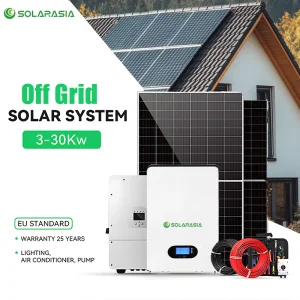
We are integrating high-efficiency solar panel packages (such as our 10kVA off-grid energy storage kits) directly into the roof profiles of flat-pack modules. Paired with modular lithium battery packs and smart hybrid inverters, these units can generate, store, and manage their own power, making them independent of local grid infrastructure.
Future iterations of our panels incorporate bio-based polyurethane foams and aerogel infusions. This technology allows us to reduce wall thickness—saving shipping space—while maintaining high thermal barrier performance (R-values) and exceeding fire safety standards.
We are designing quick-lock joint systems that replace traditional bolt connections. These structural locks cut installation times by 40% and require only basic tools, lowering labor costs and simplifying setup for event teams and remote operations.
Get answers to common technical and logistic questions about importing and deploying modular festival and industrial accommodations.
Complete your site layout with off-grid power solutions, heavy-duty emergency shelters, custom mobile retail outlets, and advanced environmental control systems.
 KS Housing