1
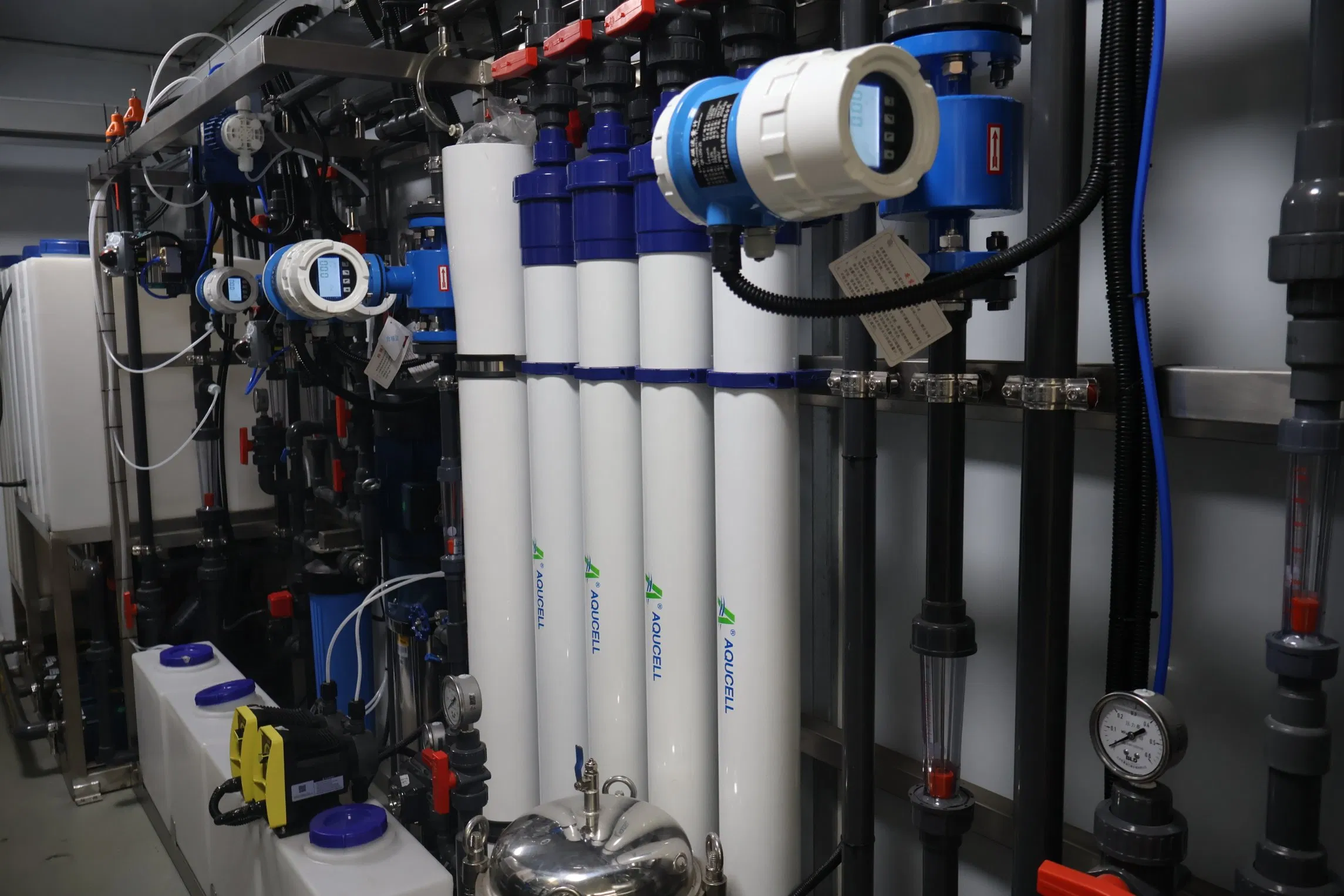
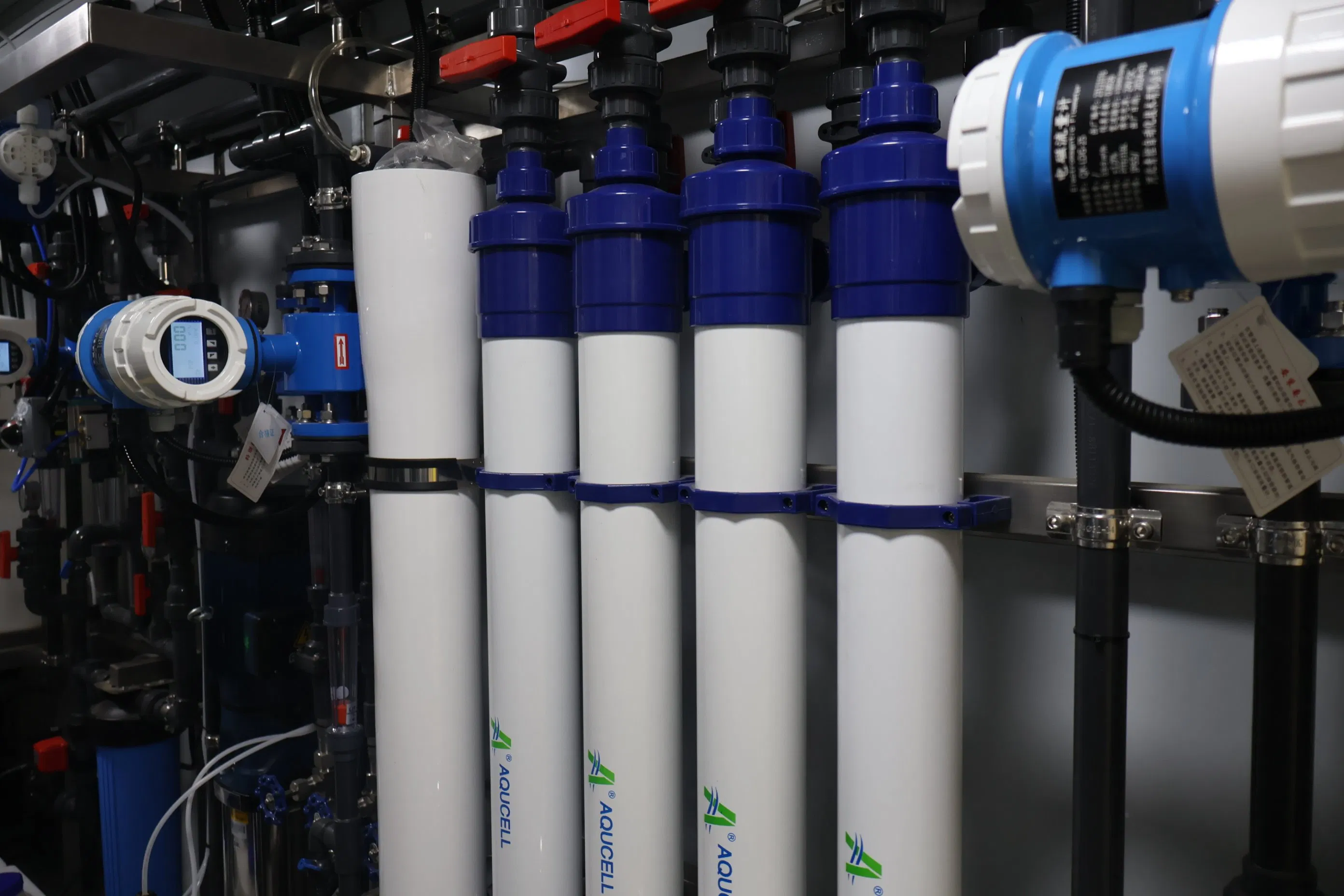
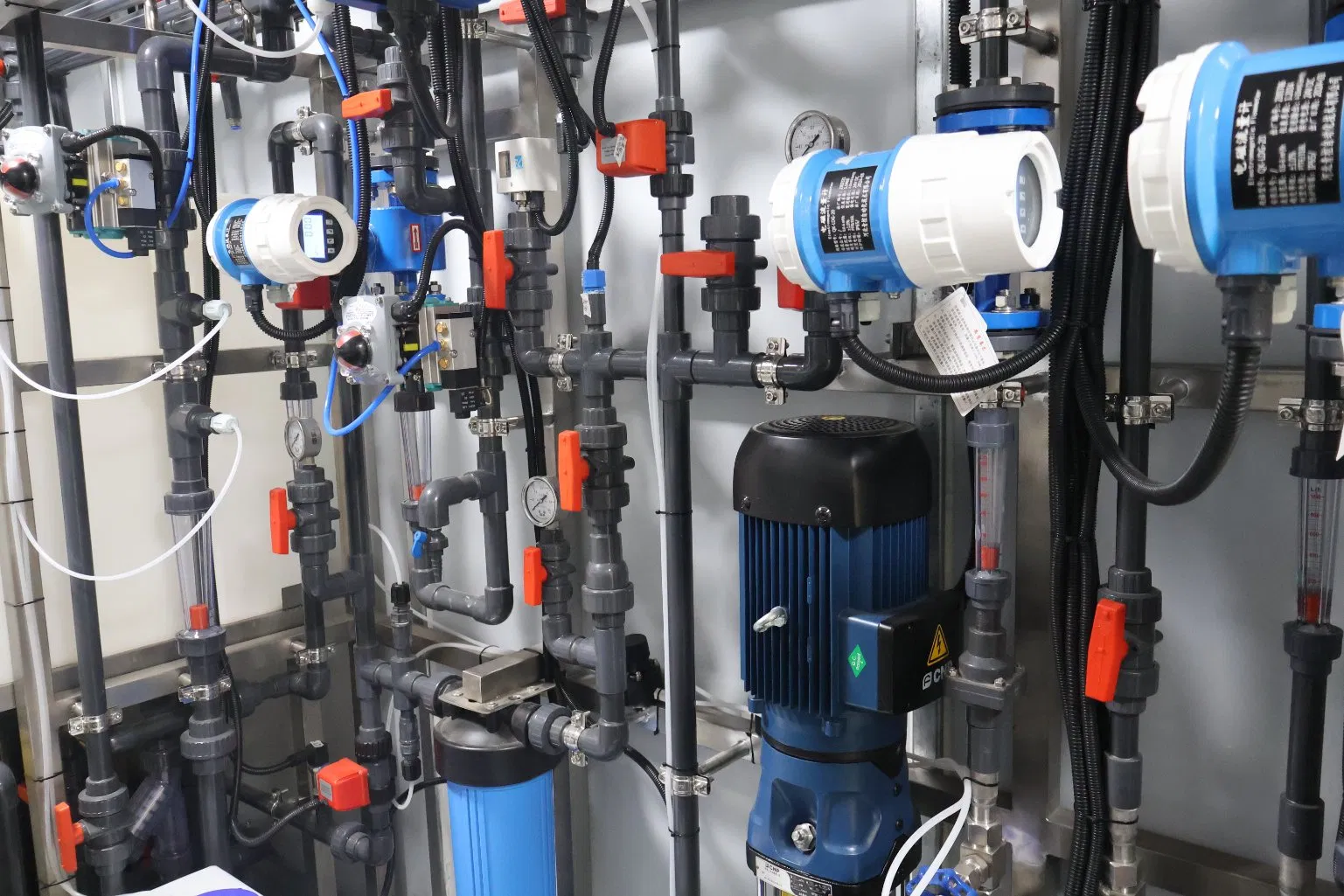
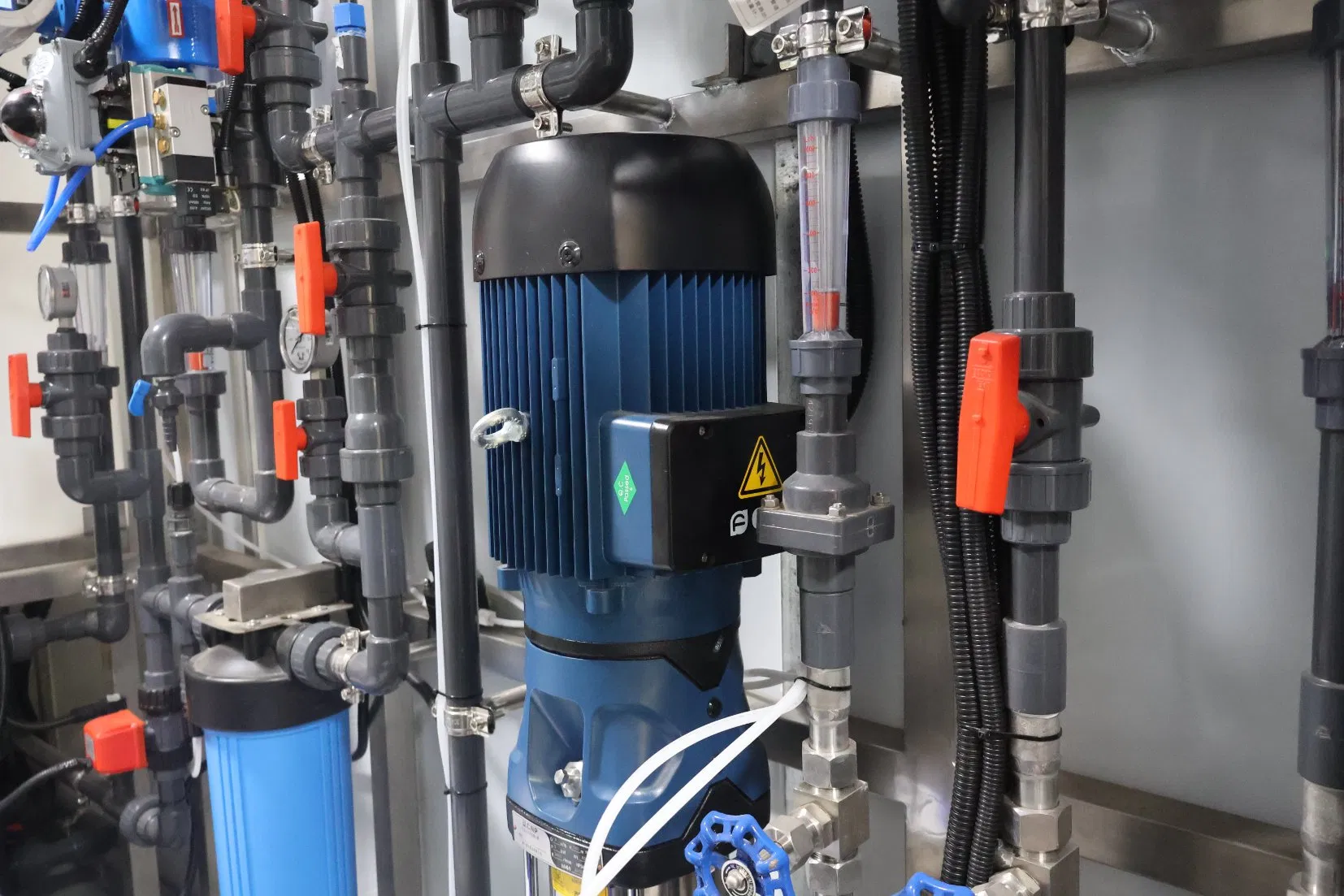
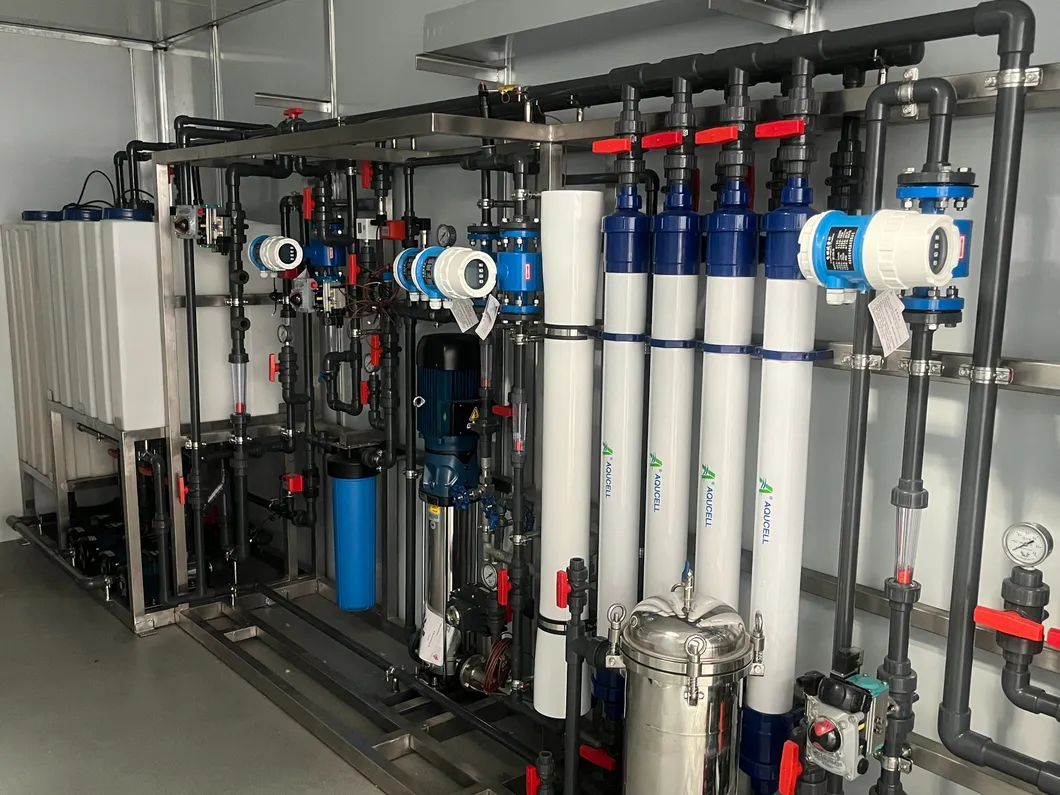
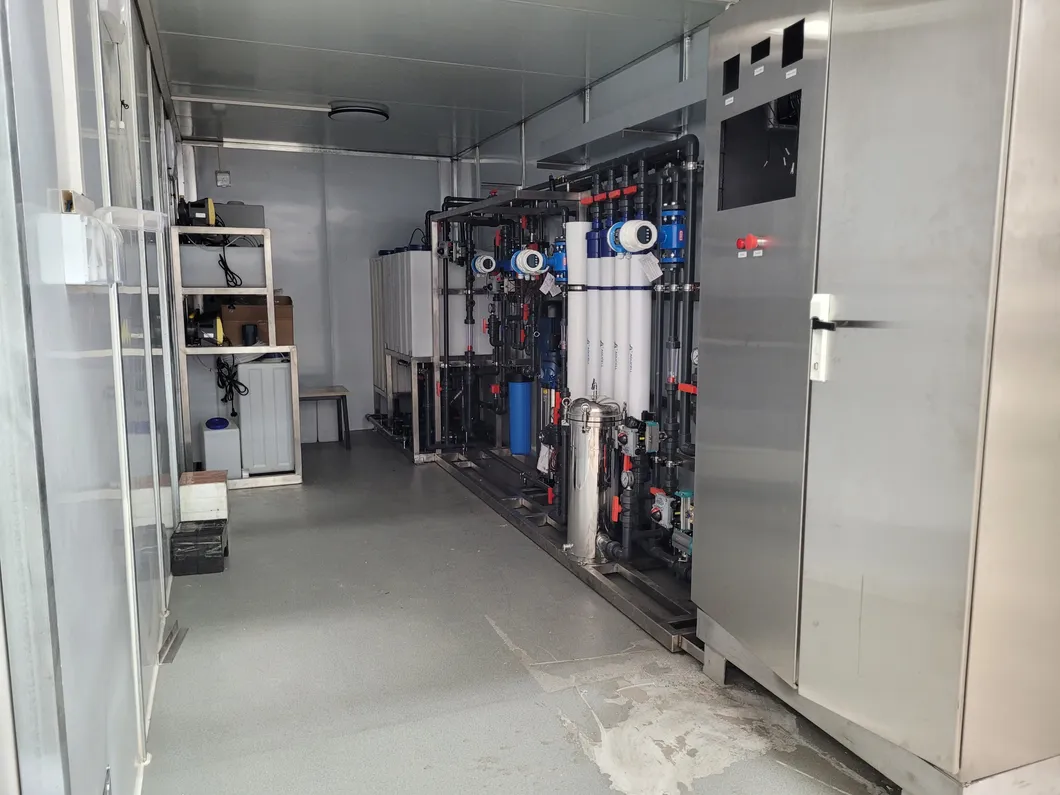
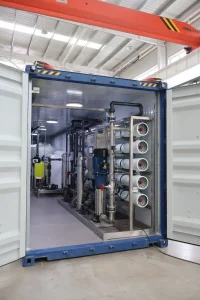
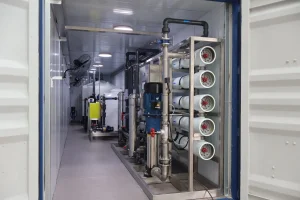
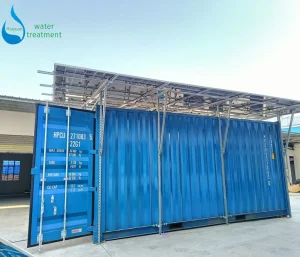
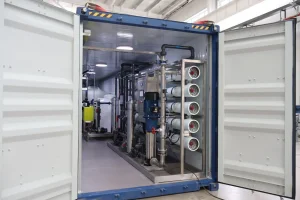
Structure and Design: Typically utilizes a standard shipping container foundation, providing structural strength and ease of transportation. Modular units (filters, RO units, disinfection) work independently for easy maintenance.
2
Application Scenarios: Ideal for construction sites, disaster response, remote areas, and emergency water supply without relying on existing infrastructure.
3
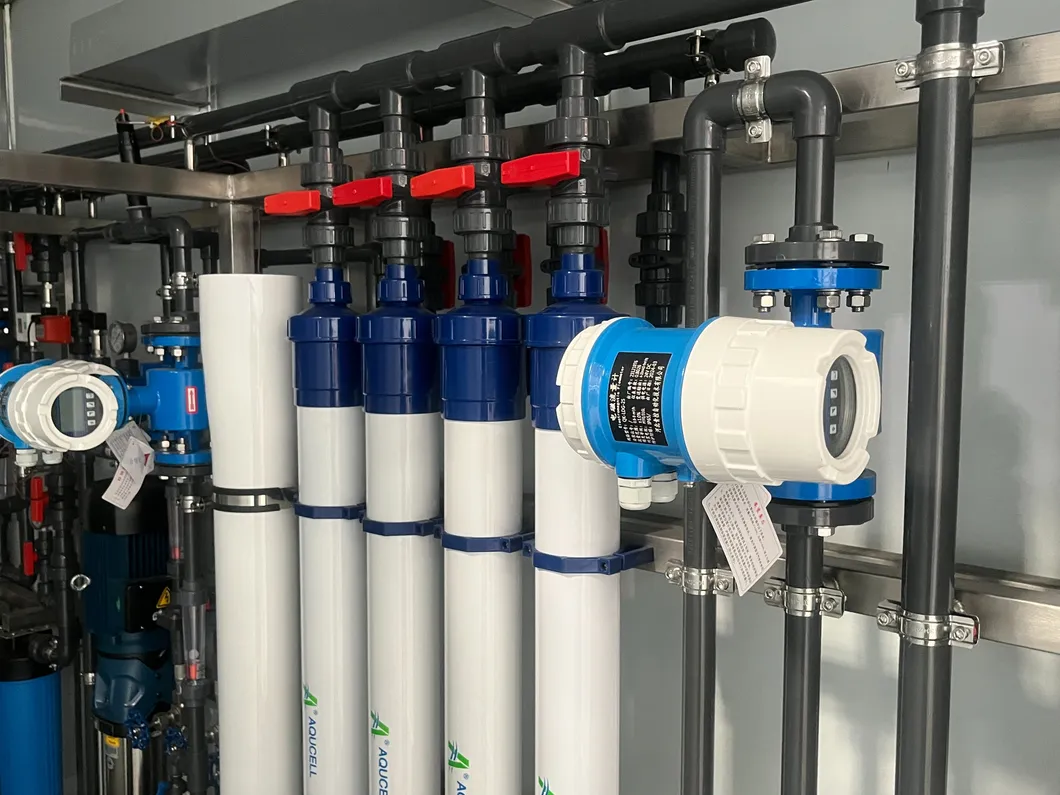
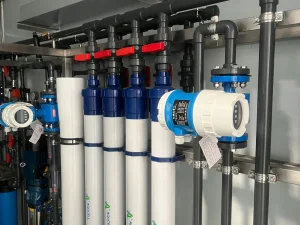
Key Components: Includes pre-treatment units (sand filters), main treatment units (reverse osmosis membranes), and disinfection units (UV or ozone).
4
Core Advantages: High flexibility, cost-effectiveness for small-to-medium scale projects, and rapid response to water quality requirements.
✓
Mature reverse osmosis technology with a desalination rate up to 99.5%.
✓
Modern automatic control technology for reduced labor intensity.
✓
Energy-saving design to lower water production costs.
✓
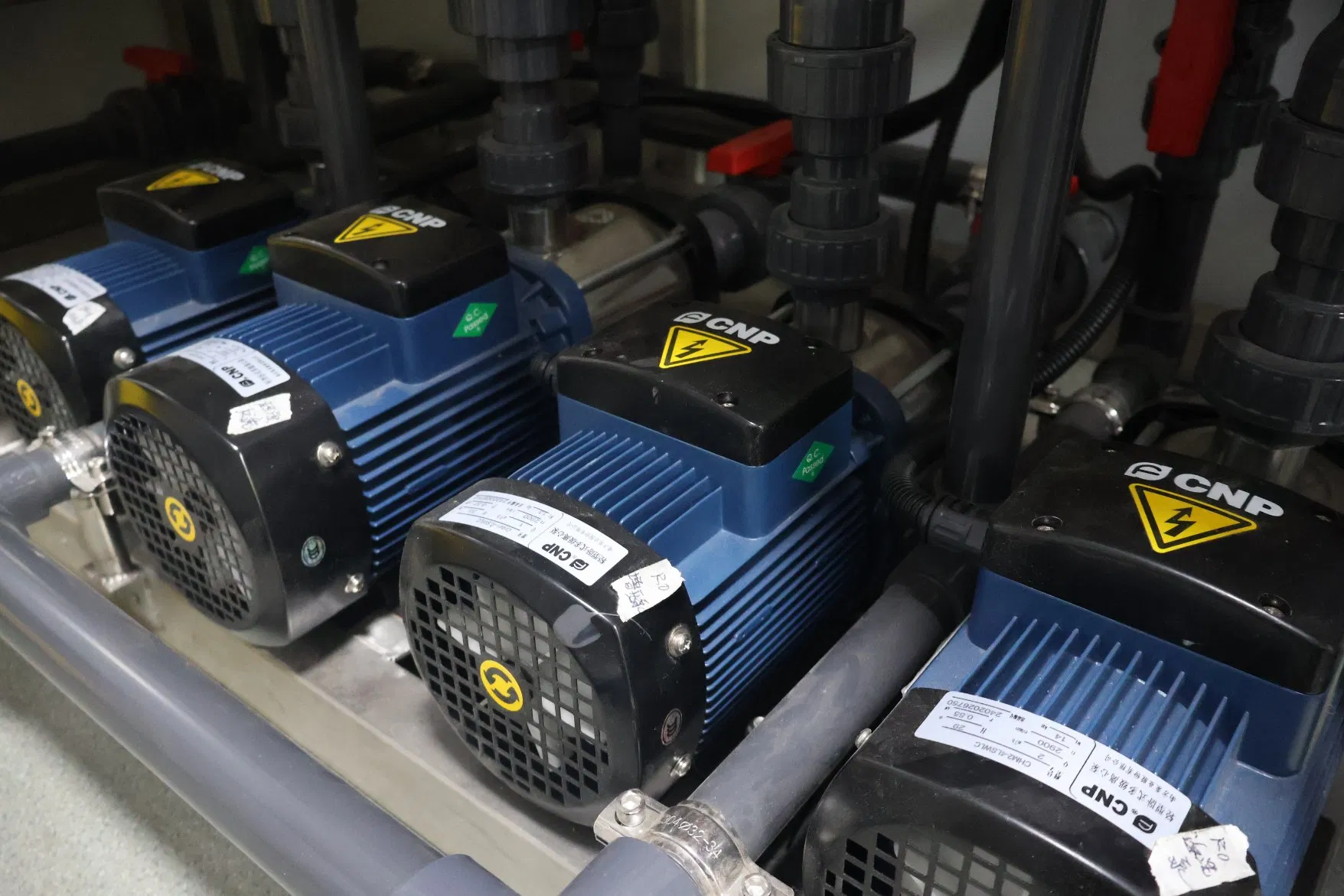
Corrosion-resistant SUS304 rack pipelines for maximum durability.
✓
24-hour continuous operation with simple maintenance.
✓
Integrated electrical system for status, pressure, and fault communication.
Frequently Asked Questions
What is the desalination efficiency of this containerized system?
The system utilizes advanced reverse osmosis technology, achieving a desalination rate of up to 99.5%, making it suitable for seawater and industrial applications.
Can this equipment be used in remote mining or construction sites?
Yes, the containerized design is specifically intended for mobility. It is a "plug-and-play" solution ideal for remote areas, mining sites, and temporary engineering projects.
What materials are used to ensure the system's longevity?
The RO frame is constructed from SUS304 stainless steel, and all rack pipelines and fittings are made from corrosion-resistant materials to ensure durability in harsh environments.
Is the system difficult to operate and maintain?
No, the system features modern automatic control technology. It is designed for simple operation and easy maintenance, capable of 24-hour continuous operation once connected to electricity and water.
How does the modular design benefit the user?
The modular design allows various water treatment units (filters, RO, disinfection) to work independently, facilitating easy transportation, rapid installation, and simplified maintenance or updates.
Does the system provide real-time monitoring?
Yes, the integrated electrical control system can communicate with upper computers to upload status, faults, alarms, pressure, and flow information.
 KS Housing