Solar Well Salt Sea Water Desalination Treatment System Seawater Reverse Osmosis RO Water Purification Filtration System

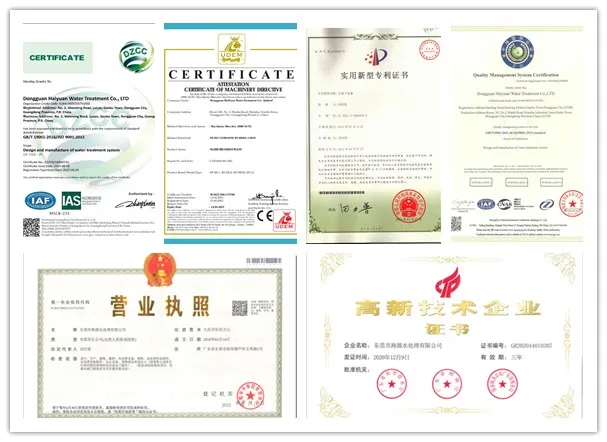
Certification: ISO9001, CE
Salt Rejection Rate: 98.0%
Application: Industry

Product Description

Overview & Basic Information

Model NO.:HY-SWRO-5000L/hr
Capacity:10m3 to 50m3/Hr
Incoming Water:Salt Borehole Seawater
Treated Water:Drinking or Irrigation
Flow Rate:Customizable
Origin:Guangdong, China
HS Code:842121
Production Cap.:500 Units

Product Description

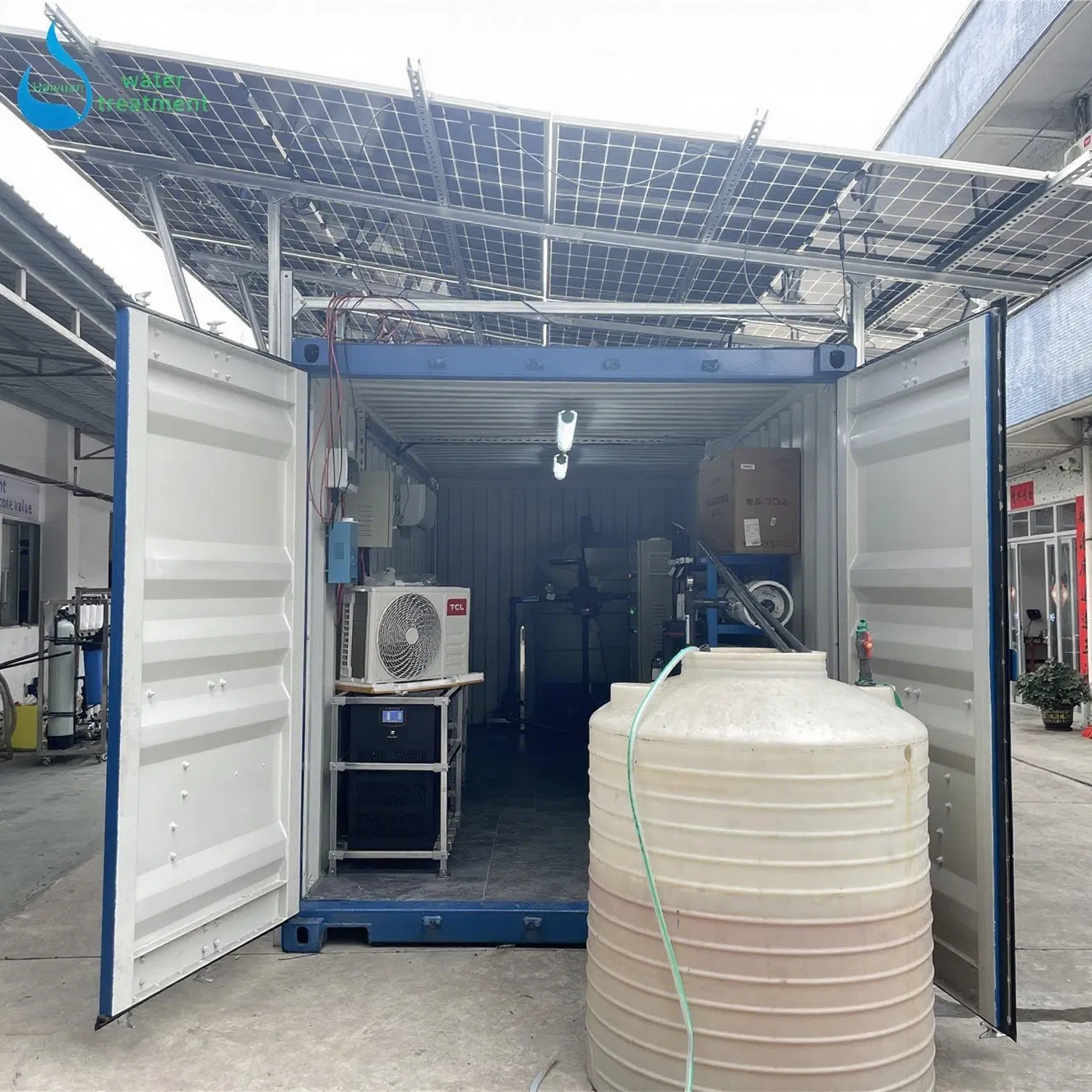
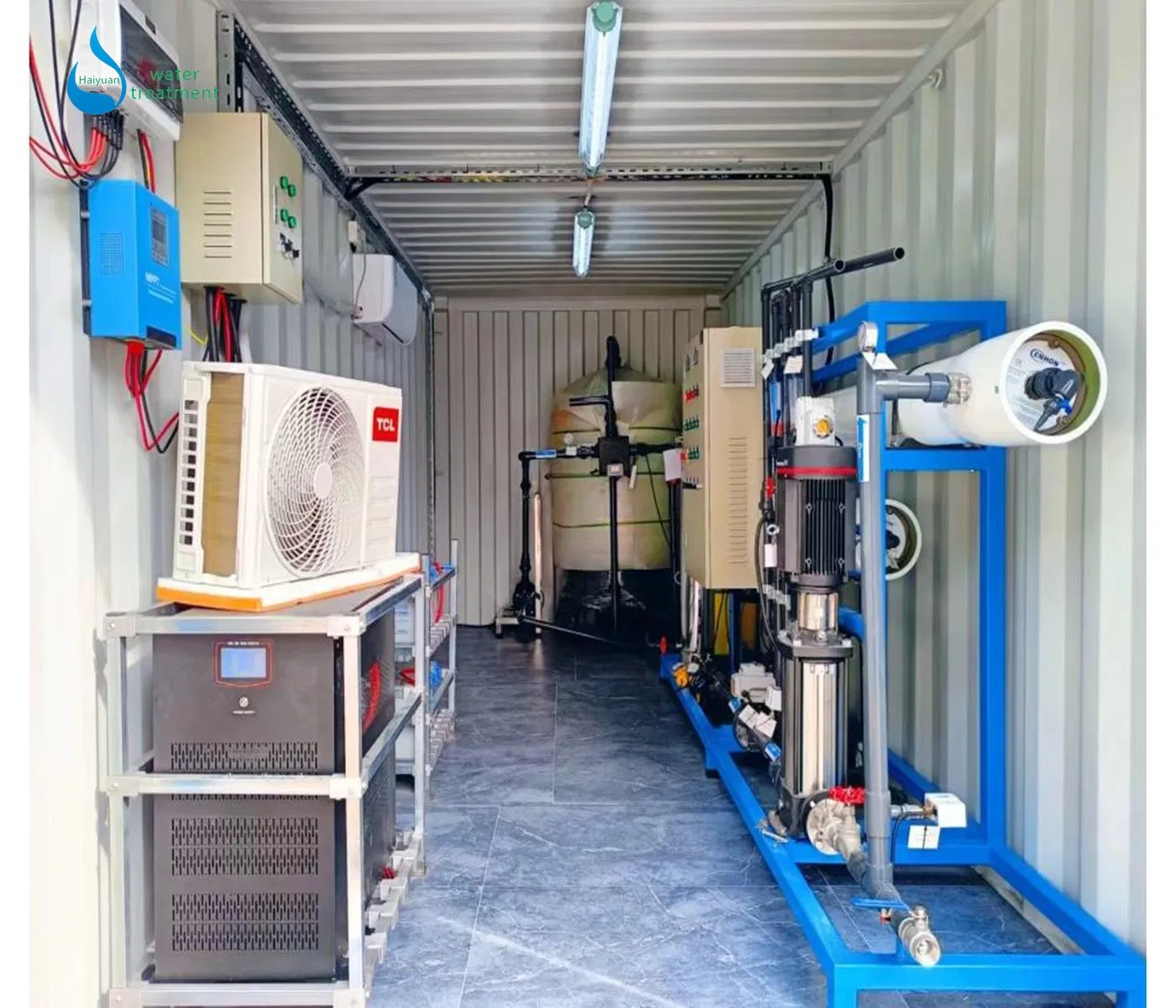
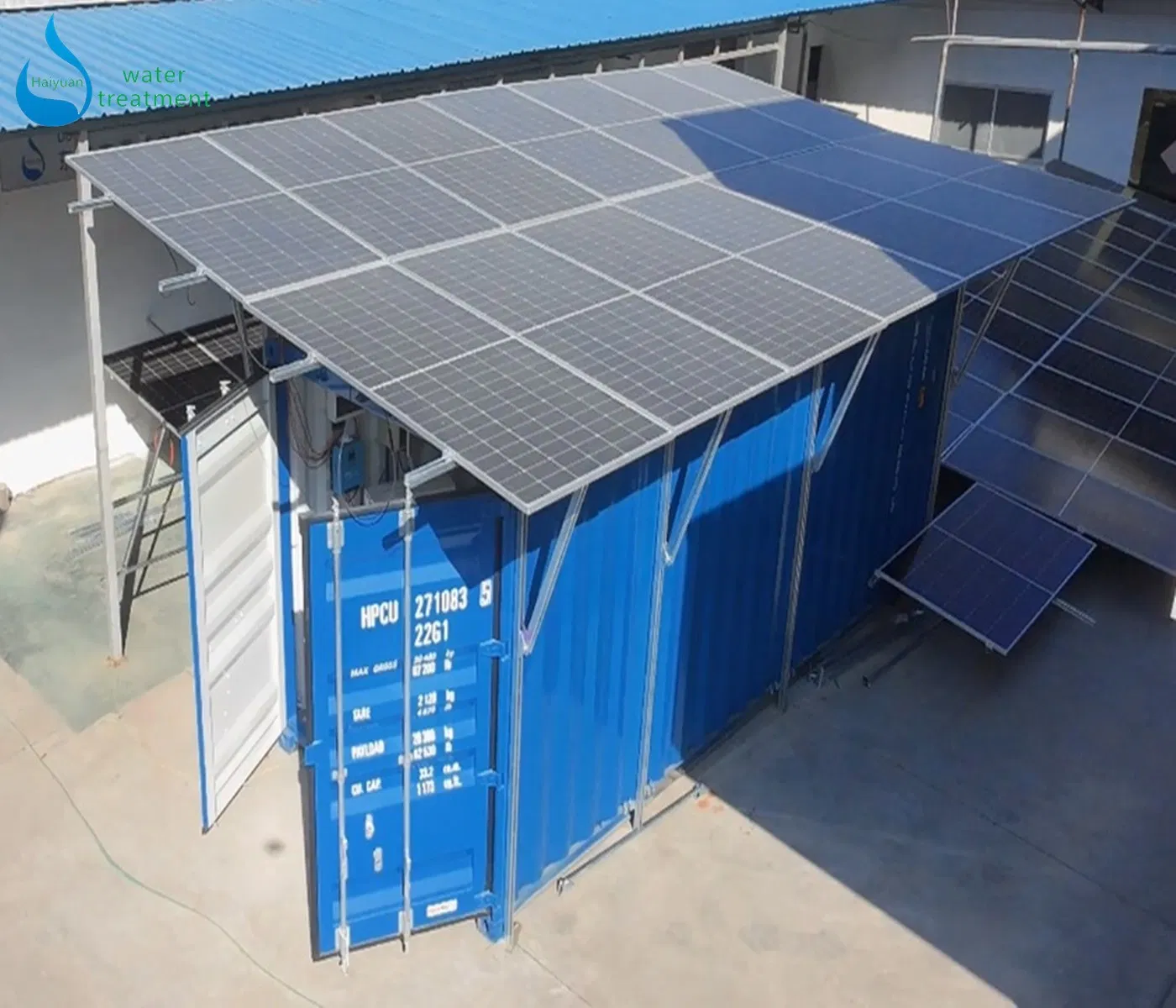
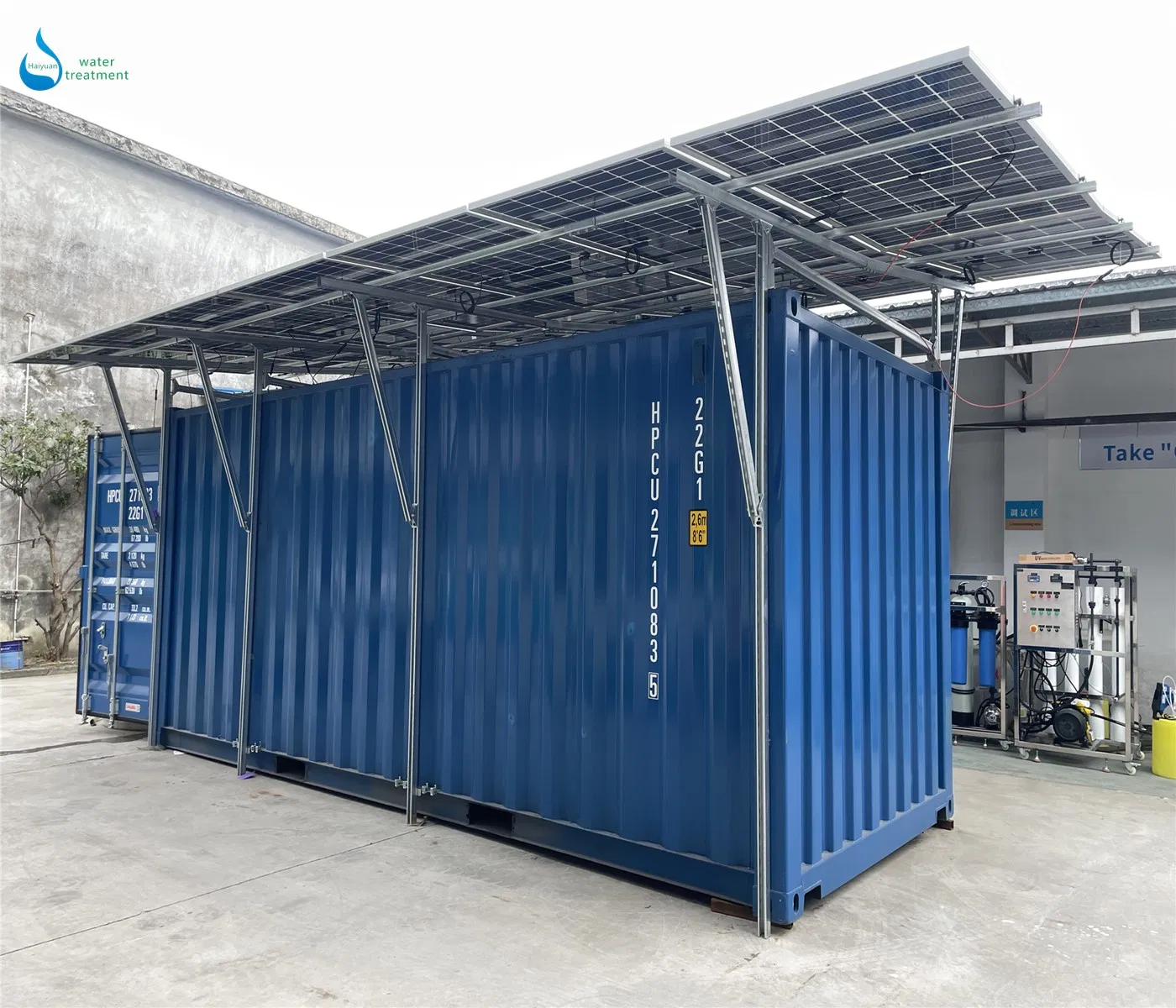
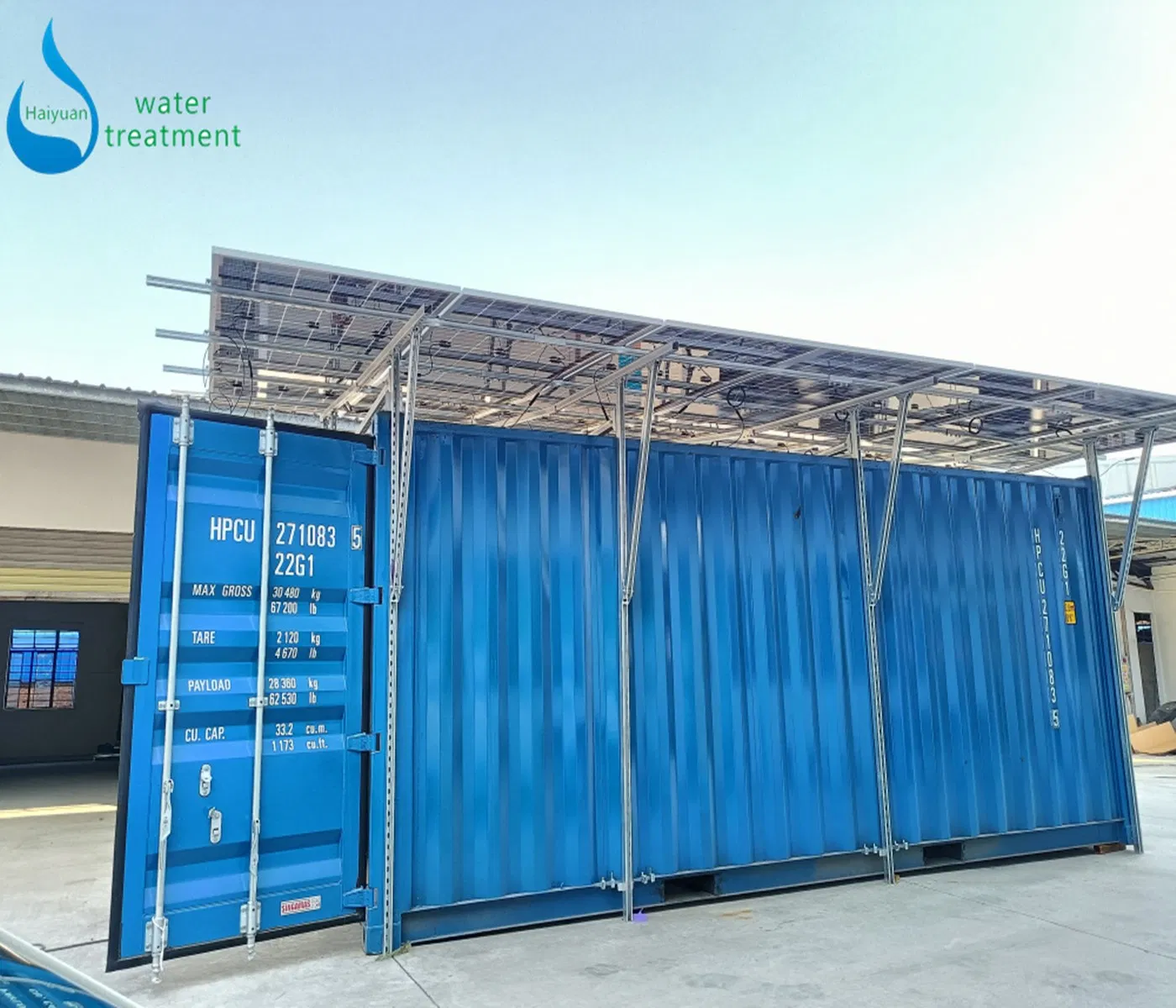
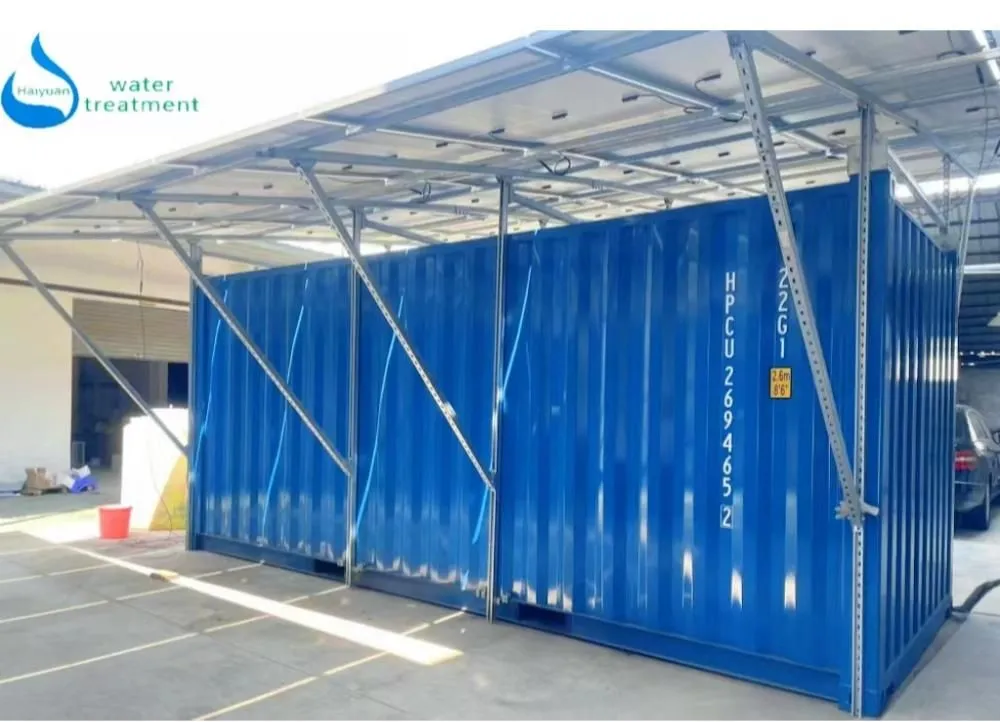
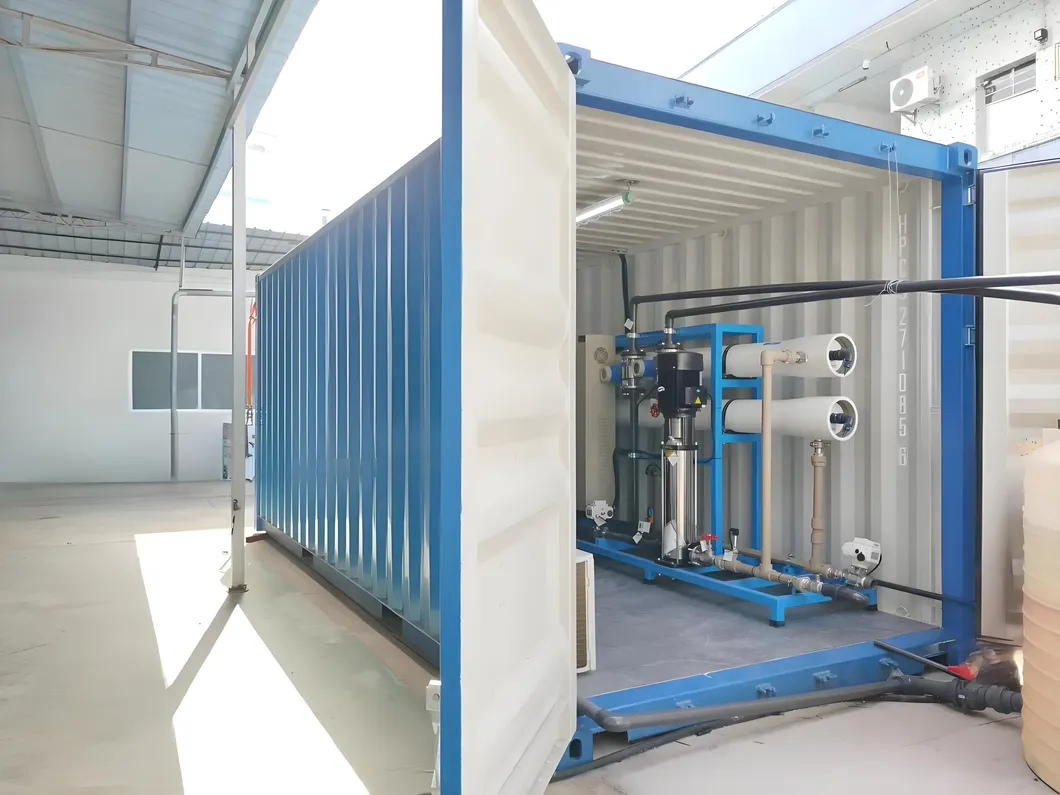
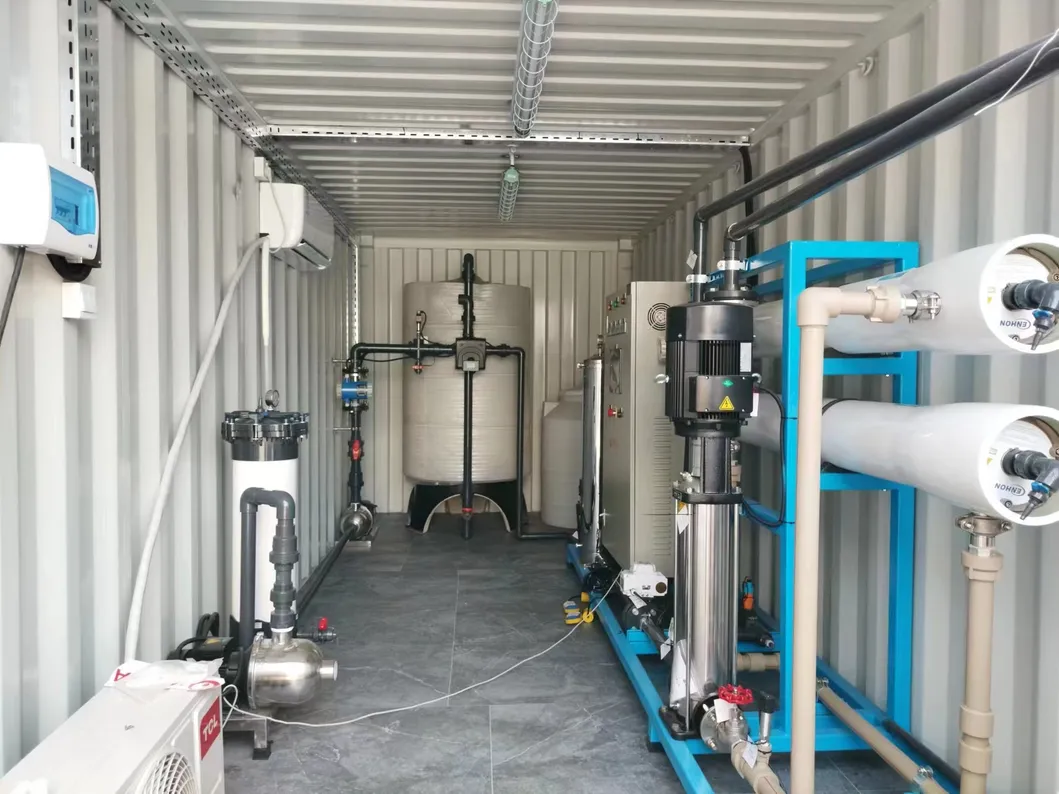
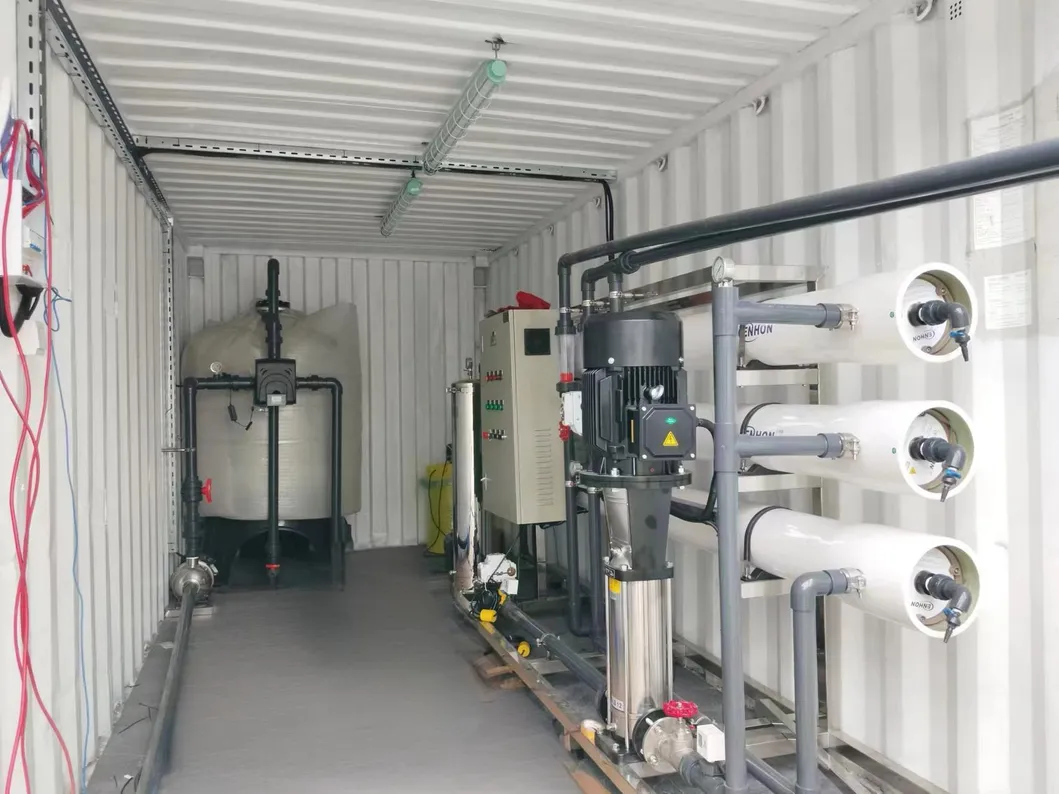
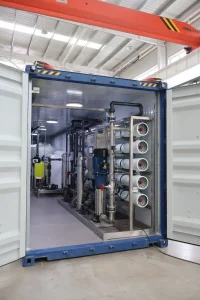
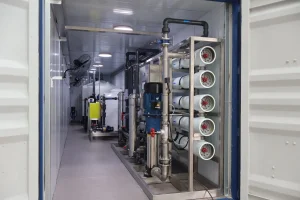
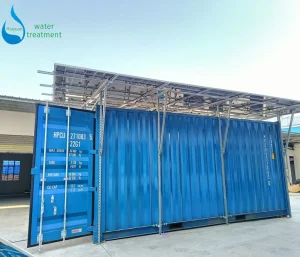
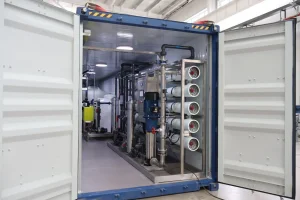
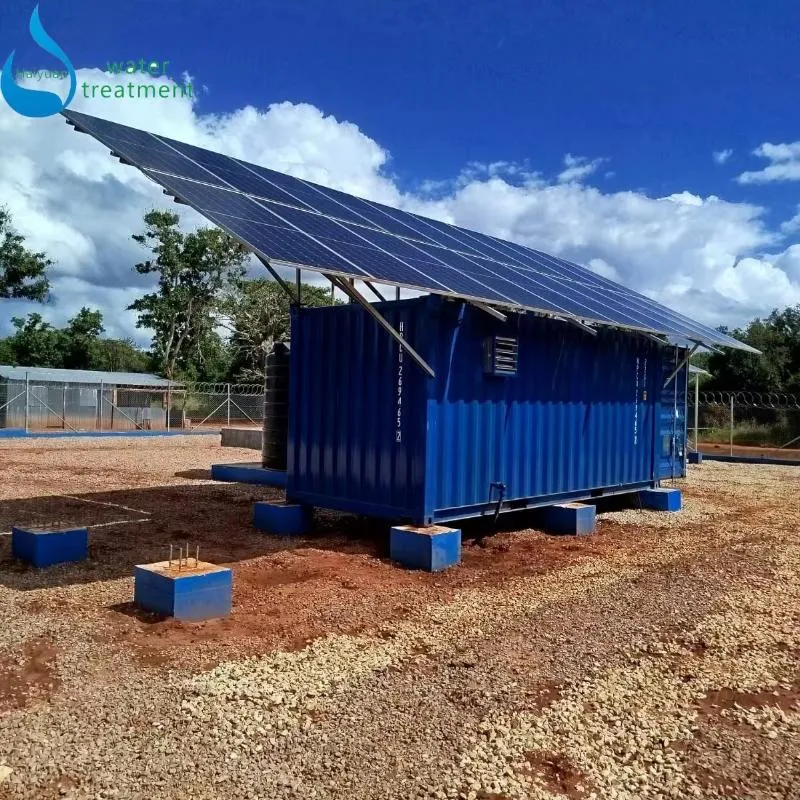
This Solar Powered Containerised Water Treatment Plant offers a mobile solution for Reverse Osmosis (SWRO) desalination and brackish water filtration. It is designed to provide clean drinking water in remote areas using renewable energy.

Solar Containerized RO Plant Features

Designed for industrial processing with detailed procedures, the water output and purification standards fully meet diverse needs. Common production capacities include 3000L, 5000L, 6000L, and 10T/hr.

System Flow Design

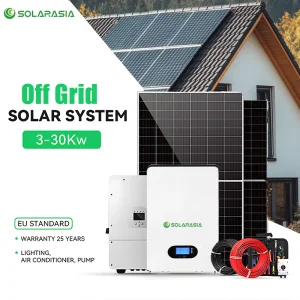
The system is available in two main configurations: with or without solar battery storage.
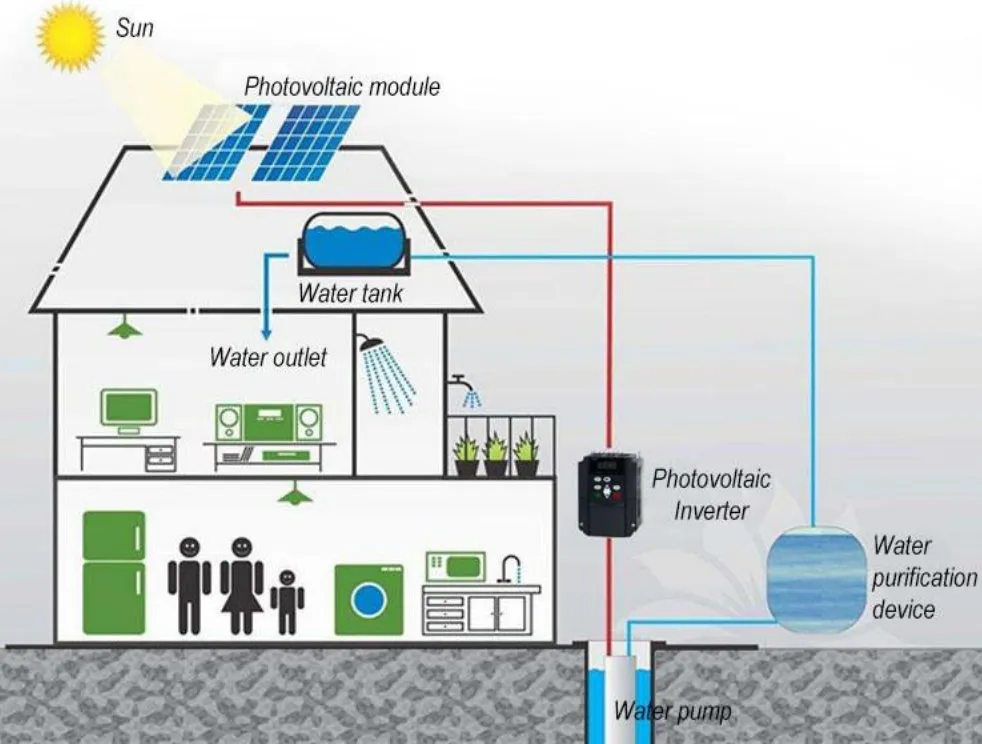
Flow Chart without Solar Battery

Flow Chart (No Solar Battery)

Flow Chart with Solar Battery

Flow Chart (With Solar Battery)

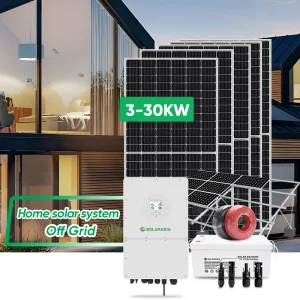
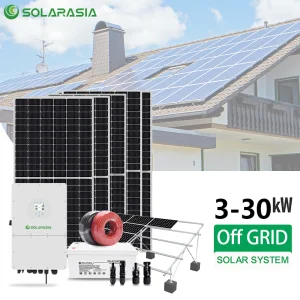
The Solar Water Purifier is engineered for off-grid locations, utilizing high-efficiency filters to remove heavy metals, germs, and contaminants from rivers, lakes, or wells. The status can be monitored remotely, and maintenance is straightforward.
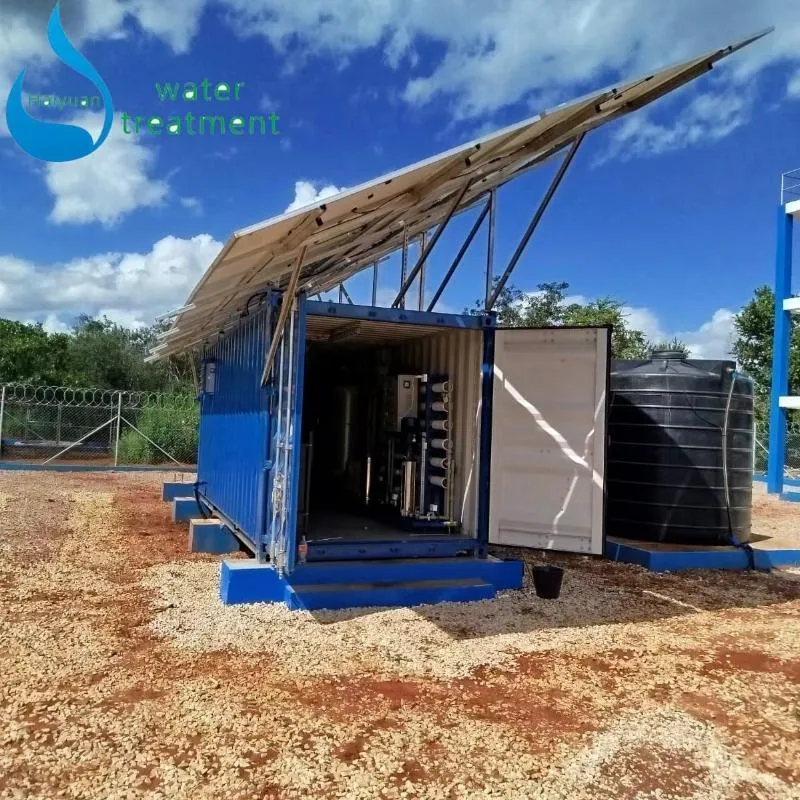
Global Case Studies

3000L/hr System for Mozambique

Mozambique Project Image 1
Mozambique Project Image 2
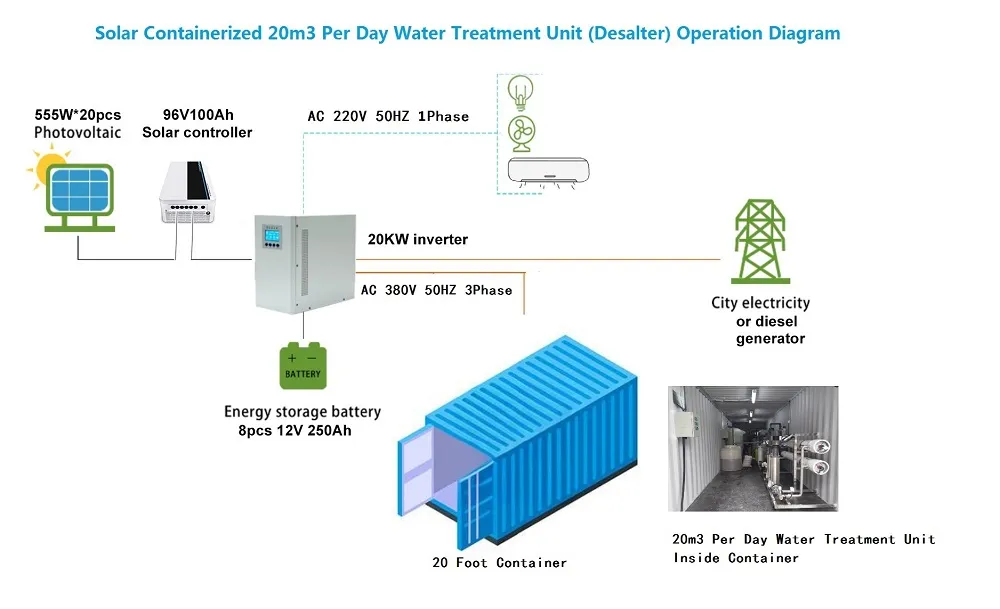
Technical Specifications: HY-SCRO-3000L/hr
Flow Rate20m3/dayRecovery Rate0.69
Solar Power20KWInverter20KW (25KVA)
Incoming TDS2710ppmOutput TDS50ppm
Container20FTWorking Pressure18 bar

5000L/hr System for Congo

Congo Project Image 1
Congo Project Image 2

6000L/hr Boiler Water System (Australia)

Australia Project Image 1
Australia Project Image 2

10T/hr System for Morocco

Morocco Project Image 1
Morocco Project Image 2

Core Advantages & Application

  • Robust Construction: Sturdy container shell with non-slip flooring.
  • Easy Deployment: Integrated installation and easy transfer saves space and costs.
  • Sustainable Power: Solar power supply reduces electricity dependency and operational costs.
  • Versatile Application: Suitable for drinking water, agricultural irrigation, and industrial supply.

Water Quality Comparison (TDS)

Source Water TypeTDS Range (mg/l)Typical Scenario
Tap Water100 - 700 ppmUrban supply
Brackish Water700 - 10,000 ppmUnderground wells
Northern Sea10,000 - 21,000 ppmEstuaries
Atlantic Ocean35,000 ppmOpen sea
Red Sea41,000 ppmHigh salinity regions
Dead Sea300,000 ppmExtremely high salinity

Technical Components

System PartComponentFunction
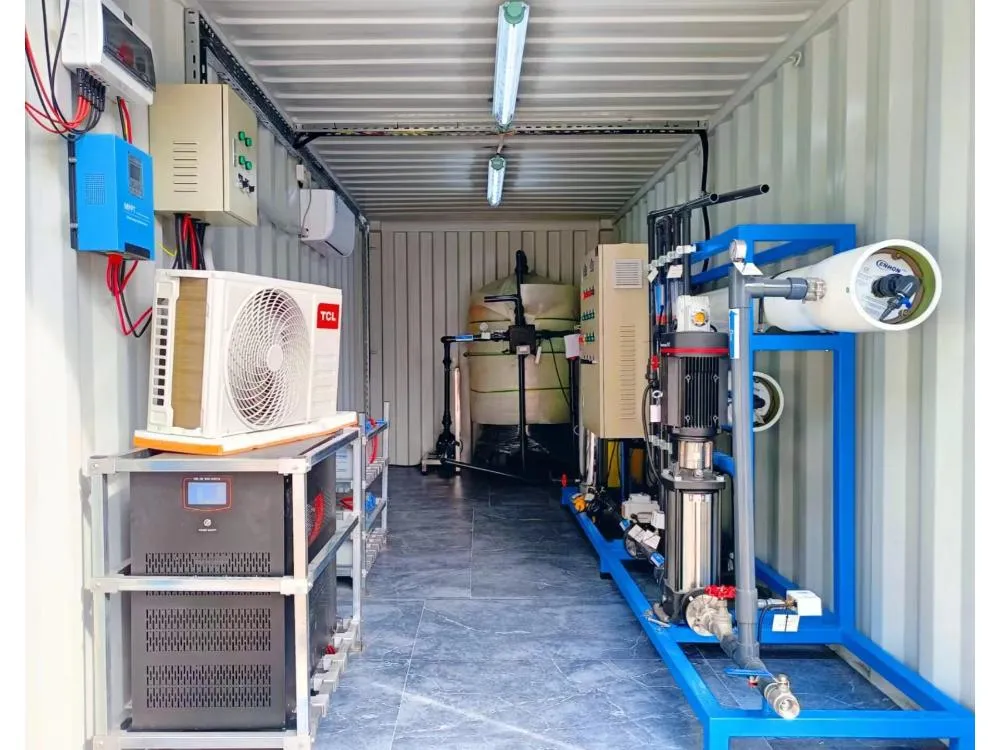
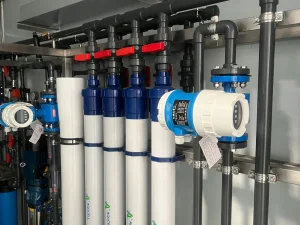
Pre-treatmentQuartz Sand FilterRemoves suspended particles and large impurities.
Pre-treatmentActive Carbon FilterRemoves color, chlorine, and organic matter.
Pre-treatmentAnti-scalant SystemPrevents membrane scaling and prolongs life.
RO Main PartHigh Pressure PumpProvides necessary pressure for Reverse Osmosis.
RO Main PartRO MembranesOver 98% desalination rate, removes ions.
MaintenanceCIP SystemCleans membranes when blocked after long use.

Certifications & Gallery

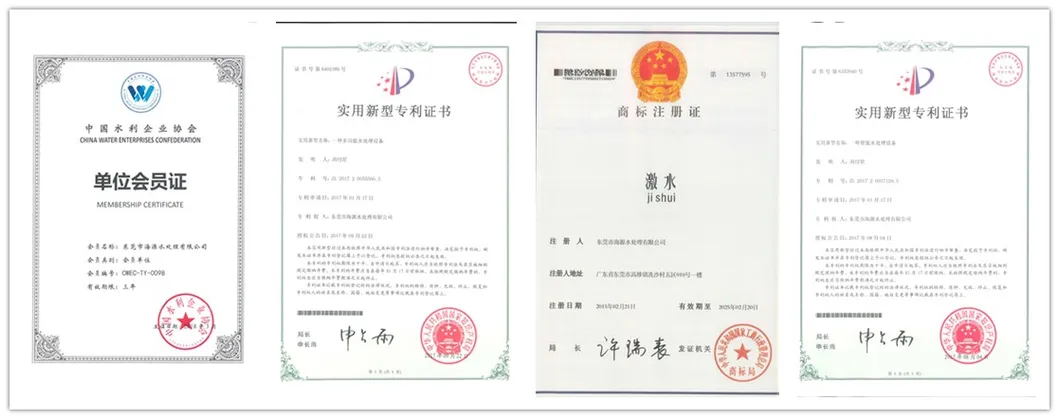
Certification 1 Certification 2
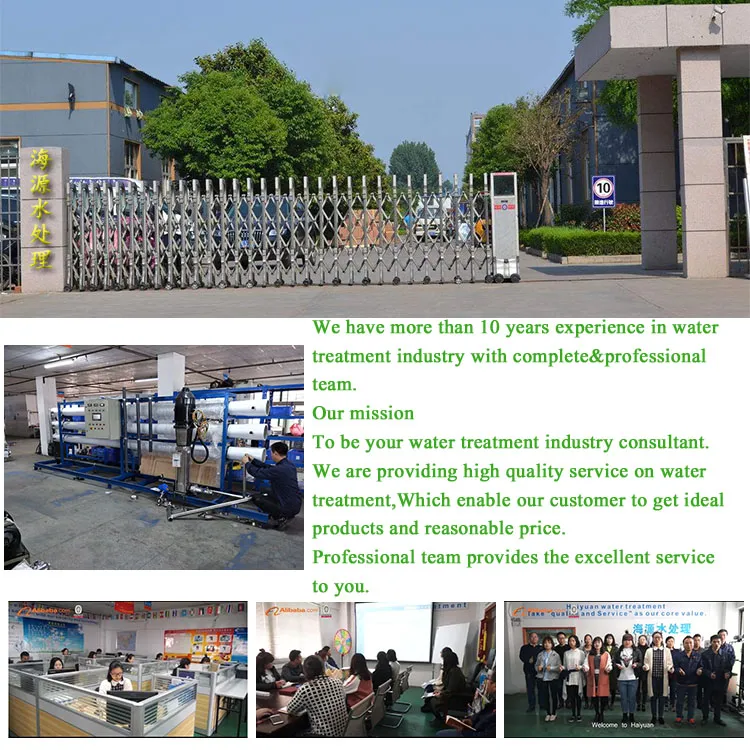
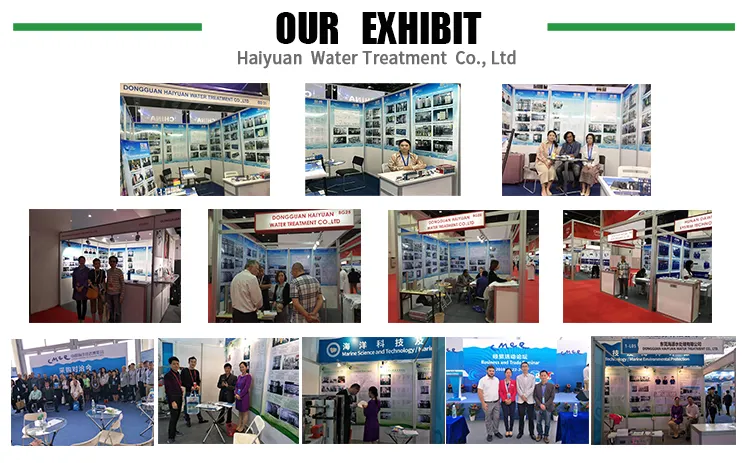
Facility Image Exhibition

Frequently Asked Questions (FAQ)

1. What is the typical capacity of the containerized solar RO plant? The system is highly scalable. Common capacities include 3000L/hr, 5000L/hr, 6000L/hr, and up to 10T/hr (10,000 liters per hour) or more, depending on your specific requirements.
2. Can the system handle high-salinity seawater? Yes, our systems are designed for various water qualities, from brackish water (700-10,000 ppm TDS) to Atlantic seawater (35,000 ppm) and even higher salinity levels like those found in the Red Sea.
3. Is the solar RO plant suitable for remote, off-grid locations? Absolutely. The system is specifically engineered for areas without a stable electricity supply. It uses solar energy to power the pumps and filtration units, with optional battery storage for continued operation.
4. What are the main benefits of a containerized water treatment system? The containerized design provides a sturdy operating environment, protects equipment from harsh weather, simplifies transport and installation, and significantly reduces onsite setup costs.
5. What kind of water standards does the output water meet? The treated water typically meets city tap water standards for human daily use, with TDS levels often reduced to less than 500ppm, making it safe for drinking, cooking, and irrigation.
6. How much maintenance does the solar RO system require? The system includes a CIP (Clean-In-Place) unit to wash membranes and pre-treatment filters like quartz sand and carbon filters. Regular maintenance involves monitoring through the electronic control panel and periodic filter replacements.

Related Products